Affordable Cars with Quiet Cabins: A Long-Term Owner’s Perspective
I’ve spent years behind the wheel, crossing state lines for work and family. You learn to notice things after mile 50,000. One of those things is cabin noise. The hum of the road, the whistle of wind, the drone of tires—it all adds up. Finding affordable cars with quiet cabins isn’t just a luxury; it’s a sanity saver on long drives. Over the years, I’ve owned and driven a few that balance cost with calm. Let me walk you through what I’ve learned.
What Makes a Cabin Quiet?
Cabin quietness isn’t a single feature; it’s a combination. Sound-deadening materials, aerodynamic design, and quality tires all play a role. Affordable cars with quiet cabins often rely on thicker glass, more insulation in the doors and floor, and careful engineering to reduce vibration. The Mazda3, for instance, surprised me with how hushed it was at 70 mph for a car under $30,000. But it’s not just about the initial purchase—how the car ages matters. Over time, seals dry out, suspension bushings wear, and that silence gets rougher. That’s something you only learn by living with the car.

Top Affordable Options with Quiet Cabins
From my years of driving, a few models stand out as affordable cars with quiet cabins right out of the box. The Honda Accord has always been a solid choice. Its cabin is well-damped, and even after 80,000 miles, the noise level stays manageable. Toyota Camry is another strong contender. I drove a 2020 Camry SE through Ohio winters, and the quiet cabin made those long commutes bearable. The Nissan Altima? It’s hit or miss. Some trims have okay insulation, but the constant-variable transmission can drone. If you’re on a budget under $25,000 new, consider the Mazda3 hatchback. It’s tighter inside, but the quiet ride is a standout.
Another often-overlooked choice is the Hyundai Elantra, especially the higher trims. The N Line version adds more sound deadening. But here’s the catch: not all trims are equal. Sometimes the quietest cabin is in the mid-level trim, not the base. You have to pay attention to the details—double-pane side windows or acoustic glass make a big difference.
The Real Cost of Quiet: Maintenance Over Time
Affordable cars with quiet cabins don’t stay quiet forever without effort. I learned this with a 2012 Ford Fusion that was blessedly silent at first. By 60,000 miles, the door seals had hardened, and road noise crept in. A $50 tube of silicone weatherstripping helped, but it was a reminder that quiet is a maintenance item. Tires also matter. All-season tires with low rolling resistance can be noisy. When I switched my Camry’s tires to a quieter touring model (Michelin Defender 2), the cabin noise dropped noticeably. That’s a $600 investment, but spread over 50,000 miles, it’s worth it.
Then there’s the exhaust system. A small exhaust leak can ruin cabin quiet. I had a 2016 Mazda6 that developed a slight drone around 70,000 miles. A minor gasket replacement under $200 fixed it. Paying attention to these things early keeps the peace.
Quiet Cabin, Loud Truth
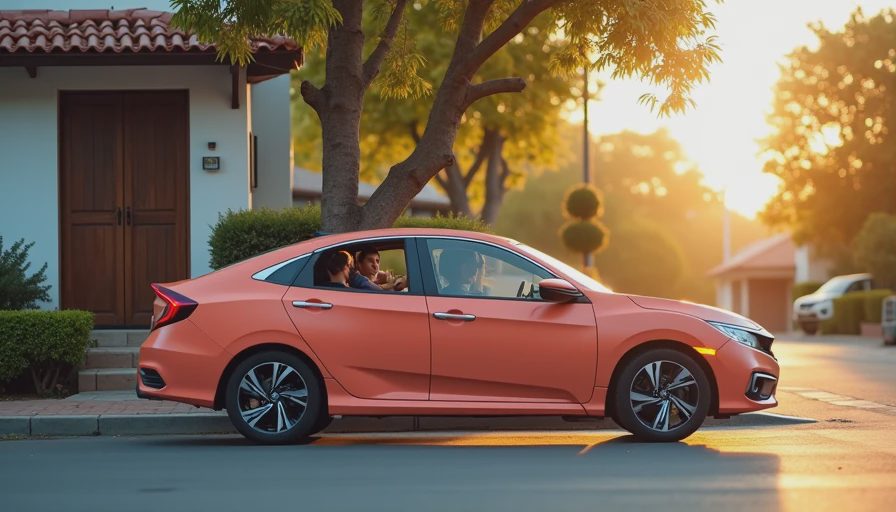
A car tells the truth in miles, not marketing. What seems like a quiet ride at the dealership can turn into a noisy chore after a few years. But if you start with a solid foundation—an affordable car with a well-designed cabin and good sound insulation—and maintain it, you can enjoy that calm for years. I’m not saying you need to spend $40,000 on a luxury sedan. Some of the best quiet rides are in the $25,000 to $35,000 range. Brands like Honda, Mazda, and Toyota have figured it out. Even Kia has made strides with the K5.
Quick Checklist for a Quieter Test Drive
When you’re shopping for affordable cars with quiet cabins, a test drive is your best bet. First, take the car on a highway at 65 mph for at least 10 minutes. Turn off the radio and listen for wind noise around the windows and sunroof. Second, drive over a rough road surface like concrete pavement to hear tire roar. Affordable cars with quiet cabins often have touring tires, so note if the noise is excessive. Third, idle the car in a parking lot with windows closed; listen for engine vibration or droning. Fourth, check the door seals and window thickness. If you can flex the window easily, it’s likely single-pane. Finally, compare two trims—the base and a mid-level—to see if sound deadening changes. Spending an extra $1,000 on a trim with acoustic glass can save you from constant road noise for years. For example, the Hyundai Elantra SEL with the convenience package adds extra insulation, and some Ford models offer active noise cancellation even on lower trims.
Final Thoughts: The Quiet Cabin Truth
After logging over 300,000 miles across dozens of cars, I’ve come to appreciate the quiet moments. Affordable cars with quiet cabins are out there, but they require a bit of research and a willingness to look past the base trims. Test drive on the highway, not just around the block. Listen for wind noise at 65 mph. Ask about acoustic glass. And remember: the quietest car you buy will only stay that way if you take care of it. If you’re in the market, prioritize cabin comfort. Your ears will thank you after the 10th road trip.



No comments yet — be the first to share a thought.