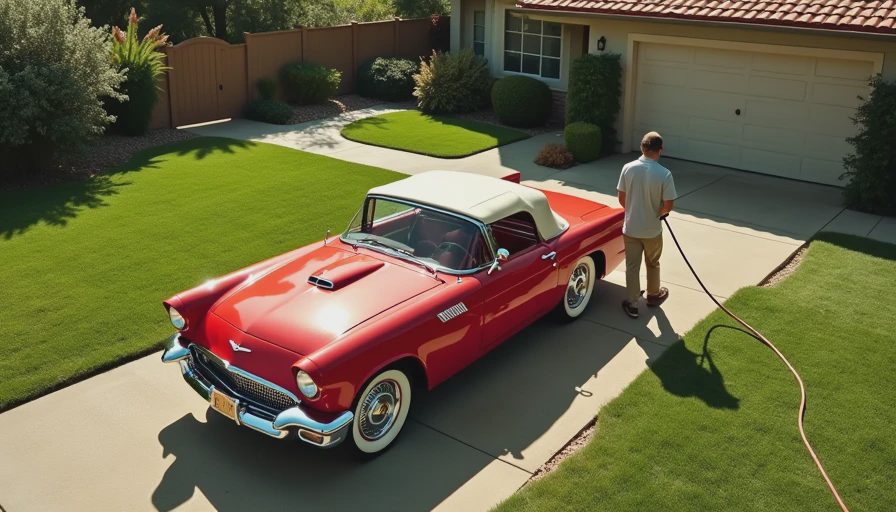
I’ve been driving a classic car daily driver for over two years now. Not a weekend toy, not a garage queen—my 1966 Mustang is the car that gets me to work, to the grocery store, and through Ohio winters. A car tells the truth in miles, not marketing, and this one has racked up over 20,000 miles in my care. Here’s what living with a classic car daily driver has taught me.
When you tell people you drive a classic every day, you get two reactions: envy and warnings. The envy is obvious—there’s something special about twisting a key and hearing a V8 rumble to life when everyone else’s car just beeps. The warnings come from experience: breakdowns, parts availability, safety. Both are fair. After 20,000 miles, I can say a classic car daily driver is doable, but only if you adjust your expectations.
The first thing you learn is that a 50-year-old car needs attention. My Mustang had been restored before I bought it, but that didn’t stop the alternator from dying at a rest stop on I-71. A classic car daily driver requires a different mindset—you’re not just driving, you’re piloting a machine that wants to be noticed and maintained. I keep a small tool kit in the trunk: wrenches, a multimeter, zip ties, and duct tape. So far, that’s gotten me home three times.
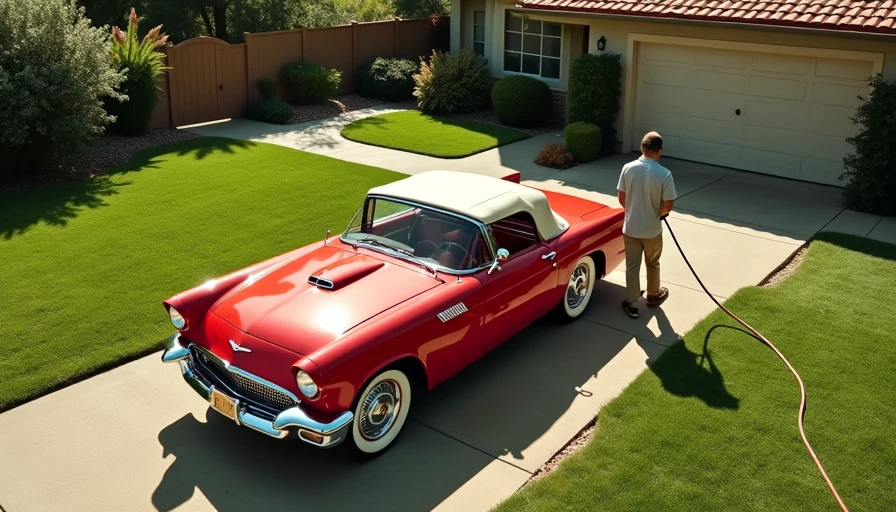
The Mechanical Reality of Daily Driving a Classic
The biggest challenge is reliability. Modern cars start every time, no questions asked. A classic car daily driver asks you to listen. I’ve learned to recognize the chirp of a loose belt, the hesitation of a carburetor that needs adjusting, and the smell of coolant that means a hose is about to go. These aren’t flaws—they’re conversations. But they require time. I spend about two hours a month on maintenance that a new car wouldn’t need. That includes checking fluid levels, greasing suspension points, and adjusting the points. If you can’t handle that, a classic car daily driver will frustrate you.
Parts availability is another reality. For a 1966 Mustang, that’s actually easy—there’s a huge aftermarket. But for something more obscure, like a 1972 Fiat 124 Spider, you might wait days for a radiator hose. I’ve learned to stock common spares: fan belts, ignition points, a spare fuel pump. The total parts stash cost me maybe $200, but it’s saved multiple weekends.
Upgrades matter. Stock drum brakes are scary in modern traffic. I swapped to front discs for $800, and that made the car drivable in rain. Electronic ignition ($120) fixed cold-start hesitation. A better cooling fan ($150) kept engine temps stable in traffic. These upgrades don’t ruin the character—they just make a classic car daily driver livable. Without them, you’re taking a risk every time you merge onto a highway.
The Emotional Trade-Offs of a Classic Daily Driver
There’s a reason people call these cars “soulful.” My Mustang has a feel that no new car can match—the steering is heavy, the seats are low, the exhaust drone tells me the engine is happy. That connection makes even a boring commute feel like an event. I’ve had strangers talk to me at gas stations, parking lots, and red lights. A classic car daily driver makes you part of a tribe. You wave at other old car owners. You swap stories.
But there’s a downside. I worry about parking it. It’s a target for theft and vandalism, so I always park in well-lit spots and often leave the doors unlocked (no hidden valuables inside). I accept dings and chips—it’s a driver, not a museum piece. Also, comfort takes a hit. No air conditioning in Ohio summers means I arrive at meetings with a sweaty shirt. The radio picks up only AM stations. On long highway trips, the lack of cruise control makes my right leg ache. Those trade-offs are real, and they’re why some people bail after six months.
For me, the trade-offs are worth it. I’ve saved money compared to a new car payment—my Mustang cost $14,000, plus maybe $2,000 in upgrades and $800 a year in insurance for agreed value coverage. Over two years, that’s far less than leasing a new Camry. Fuel economy is bad (15 mpg on a good day), but I don’t drive as much since I started working hybrid. Total ownership cost per mile is about 40 cents, comparable to many newer used cars.
Would I recommend a classic car daily driver to everyone? No. You need mechanical patience, a budget for surprises, and a tolerance for imperfection. But if you want a car that feels alive, that makes each trip memorable, and that teaches you something about how machines work—then it’s worth the try. As I always say, a car tells the truth in miles, not marketing. A classic car daily driver tells that truth every single day.
If you’re considering making the leap, start with a car that has good parts support—a Mustang, a Chevy C10 pickup, a Jeep CJ, or even an early BMW 2002. Budget for upgrades and emergencies. Talk to owners in forums. And then just drive it. The learning curve is steep, but the view from the driver’s seat is something no modern car can give you.



No comments yet — be the first to share a thought.