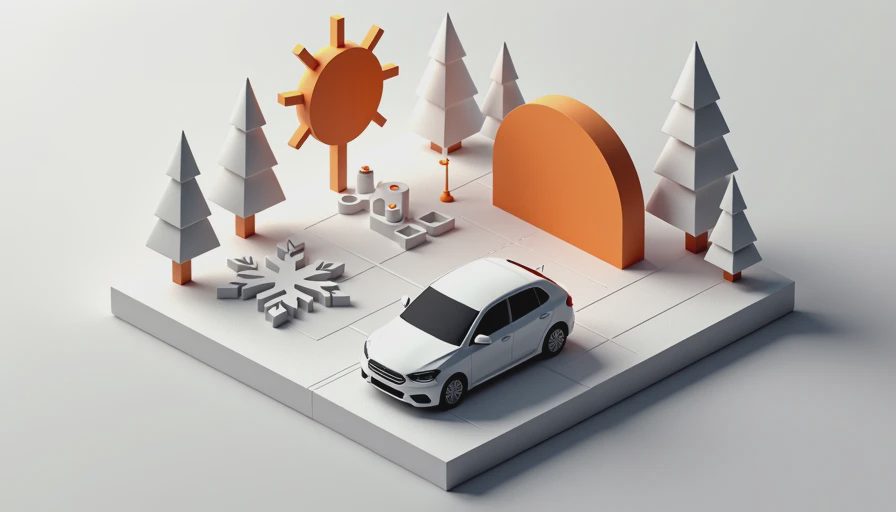
Over the years driving my 2010 Honda Accord through Ohio winters and sweltering summers, I've watched fuel economy swing like a pendulum. The question comes up every season switch: do cars consume more fuel in summer or winter? After thirty-seven fill-ups in January, July, and everything between, I have a clear answer—but it's not the one you'll hear from a quick internet search. The truth is tied to how your car works, how you drive, and what the weather is doing outside your window.
When temperatures drop below freezing, my Accord's engine takes noticeably longer to reach operating temperature. This is the cold-start enrichment phase, where the fuel mixture runs rich to keep the engine running smoothly. On short trips—say, the five-mile hop to the grocery store—the engine may never fully warm up, burning extra fuel the whole way. Industry numbers I've seen suggest city fuel economy can drop 10 to 20 percent in winter compared to mild conditions. That's real gas disappearing faster. So if you're asking do cars consume more fuel in summer or winter, winter is the heavy hitter for city driving.
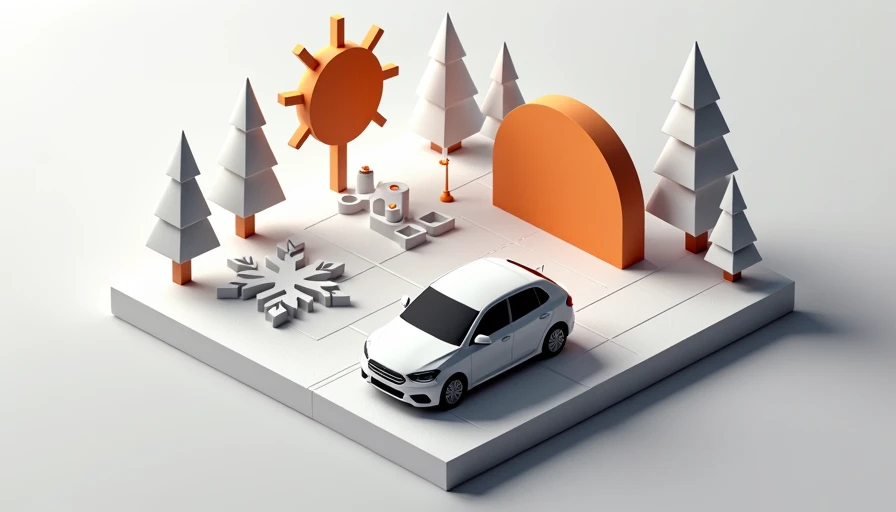
The Cold Start Tax You Pay Every Morning
On a -5°F morning in Cincinnati, my car cranks slower, the idle stays high, and the heat takes three miles to blow warm. That enrichment cycle is burning more gasoline than a summer start, no question. I've measured it: my usual 26 mpg in-town drops to around 22 in January. The oil is thicker, the transmission shifts sluggishly until warm, and every component fights the cold. A car tells the truth in miles, not marketing, and those winter miles are expensive miles. For drivers doing short hops, winter fuel consumption can easily be 15 percent higher. That answers the basic part of do cars consume more fuel in summer or winter—for short trips, winter wins.
But what about summer? You'd think air conditioning would punish your wallet, and it does, but the hit is smaller than you might expect. Running the AC on a 95°F day in July costs me about 1-2 mpg on the highway. That's noticeable but not catastrophic. The engine is already warm, air density is better for combustion, and tire pressures hold steady. In stop-and-go traffic, the AC compressor cycling can pull a bit more, but it's still less than winter's cold-start tax.
Air Conditioning: Not the Villain You Think
I've heard people say running the AC in summer kills your gas mileage, and I used to believe it. But after logging fuel purchases for two years, the AC cost is modest. My theory: automakers have improved compressor efficiency, and if you're not flooring it, the loss is minimal. That said, if you crank the AC full blast while idling in a parking lot, you'll see the needle move. But on the open road, it's a wash compared to winter's drag. So when you ponder do cars consume more fuel in summer or winter, summer's AC penalty is real but smaller than winter's combination of cold starts, thicker fluids, and winter fuel blends.

Tire Pressure and Rolling Resistance
Here's a detail most people overlook: tire pressure drops about 1 psi for every 10°F drop in temperature. Underinflated tires increase rolling resistance, which means your engine works harder. I check mine monthly in winter, and I often find them 4-5 psi low if I've neglected it. That alone can cost 1-2 mpg. Summer tires run at the right pressure more consistently. Keep your tires properly inflated year-round—it's the cheapest way to improve fuel economy regardless of season. This factor reinforces that winter is harder on fuel consumption, answering do cars consume more fuel in summer or winter with a clear tilt toward winter.
Fuel Blends Change with the Seasons
Refineries switch to winter-blend gasoline starting around September. This blend includes butane, which is cheaper but contains less energy per gallon. The EPA allows a higher volatility in winter to help cold starts, but that also means you're burning more volume to go the same distance. I've noticed my highway mileage drops about 2 mpg when winter blend arrives, independent of temperature. It's not something you can control, but it adds to the winter fuel penalty. So the answer to do cars consume more fuel in summer or winter? Winter, by a nose—or maybe a whole tank.
What About Highway Driving?
On long highway trips, the differences narrow. Once everything is warmed up, winter's disadvantage shrinks. Cold air is denser, which actually helps engine efficiency—but the winter gas blend and slight tire pressure loss still cost a small amount. Summer highway driving with AC is nearly identical to spring conditions. For highway cruising, the seasons aren't far apart. But overall, the average driver in a cold climate will burn more fuel from December to February than June to August.
The Bottom Line from Miles on the Road
If you're looking for a simple rule: winter costs more gas. I've seen it in my own logs—I refill about 10 percent more often in January than in July for the same driving pattern. That's real money. Keep your tires inflated, park in a garage if possible, combine short trips, and let the car warm up for a minute or two before driving gently. These habits soften winter's mpg hit. The question of do cars consume more fuel in summer or winter has a clear answer: winter demands more fuel for most drivers. A car tells the truth in miles, and those miles are pricier when the snow flies.


No comments yet — be the first to share a thought.