I remember a winter a few years ago when I popped the hood of my aging sedan and found a nest of shredded napkins and wire insulation sitting on top of the engine block. A mouse had chewed through a wiring harness, and the repair cost me over $400. That was the season I learned how to keep mice out of cars in winter the hard way. If you live anywhere with cold weather, rodents will find your car—warm engine bays, sheltered interiors, and easy nesting materials make it irresistible. But with a few deliberate habits, you can stop them before they do damage.
Why Mice Target Cars in Winter
Mice are looking for warmth, food, and shelter. When temperatures drop, your parked car offers a cozy microclimate. The engine bay retains heat for hours after a drive, and the cabin provides a dry place to nest. They enter through tiny gaps—holes as small as a dime—around steering columns, wiring grommets, air intake vents, and even the gap under the hood latch. Once inside, they chew on upholstery, wires, and plastic components. I’ve seen a friend’s car get a check-engine light from a chewed O2 sensor wire. Knowing their motivation is the first step in prevention.
Signs of Mice in Your Car
Before you can solve the problem, you need to spot it early. Check for these clues:
- Droppings on the floor mats, under the hood, or on the cabin air filter
- Shredded paper, fabric, or insulation used for nesting
- Gnaw marks on wires, hoses, or plastic panels
- A musty smell, especially when the heater turns on
- Unexplained warning lights or electrical issues
If you notice any of these, it’s time to act fast. The longer they stay, the more damage they do.
Step-by-Step Prevention Strategies
After years of trial and error, here’s what actually works. Start with the car itself, then move to deterrents.
1. Seal Entry Points
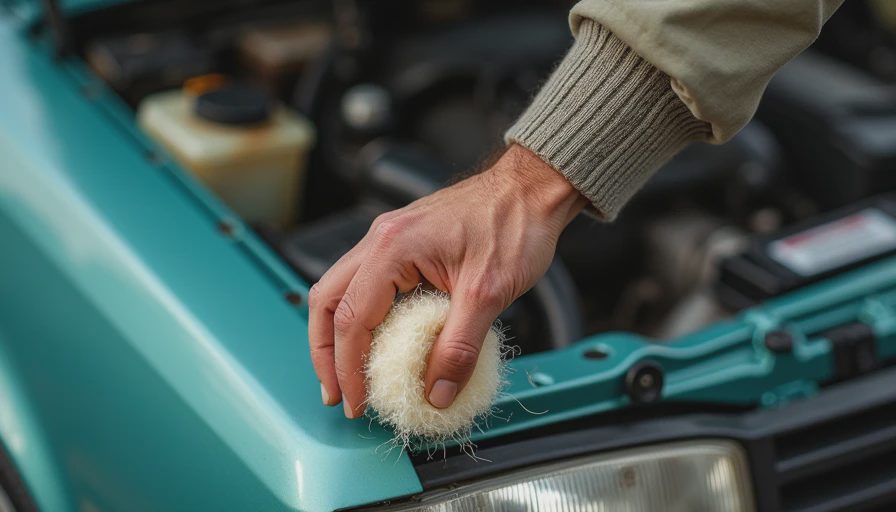
Mice are relentless squeezers. Walk around your car and look for gaps—around the hood release cable, under the glovebox, near the firewall, and where wiring passes through. Use expanding foam, steel wool, or silicone caulk to block openings. Pay special attention to holes leading into the cabin air intake; a mesh screen over the external vent can keep mice out while letting air flow. Check under the dashboard for any holes near pedals. I once found a gap behind the brake pedal that let mice into the footwell. Sealing took ten minutes and saved me a cleanup later.
2. Remove Food and Nesting Materials
Mice will use anything soft to build a nest—napkins, receipts, stray fast-food wrappers, even the foam under your floor mats. Keep your interior spotless. Don’t leave crumbs, pet food, or even birdseed in the car. Also, avoid parking near dumpsters or compost piles. If you store a vehicle long-term, empty the glovebox and remove all cloth items. A bare interior is less inviting.

3. Use Repellents That Work
Not all repellents are equal. I’ve tried ultrasonic devices, and they didn’t do much in my garage. What I’ve seen work includes:
- **Peppermint oil**: Soak cotton balls in pure peppermint oil and place them around the engine bay and interior (avoid electrical contacts). Reapply every two weeks or after rain.
- **Dryer sheets**: Some drivers swear by them under the hood and seats. The scent may deter mice, but it’s not a standalone solution.
- **Commercial repellent sprays**: Brands like Fresh Cab or rodent-targeted sprays use plant-based oils. Use them on wires and fabric.
Remember, mice may eventually ignore smells if they’re persistent. Rotate repellents every month.
4. Set Traps Early
Traps catch the problem before it becomes an infestation. Place snap traps or live traps under the hood near the cowl, inside the garage near tires, and under the car. Bait with peanut butter, sunflower seeds, or even cotton balls (for nesting material). Check traps daily. In winter, I set four traps around each car in my garage and check them every morning. It’s a small routine that catches most mice before they get inside.
5. Drive Periodically or Move the Car
If you have a car that sits for days, mice see it as a fixed home. Start the engine and move the car every couple of days. Drive it long enough to heat the engine bay and shake off any potential invaders. Even a quick trip around the block disrupts their nesting plans.
What Not to Do
Avoid poison baits. A mouse that eats poison may die inside your car wall or engine compartment, causing a terrible smell and potential fire risk. Also, don’t rely solely on mothballs—they’re toxic to humans and pets, and the smell sticks around. And never use open flames to smoke them out; that’s a fire hazard.
Final Thoughts
How to keep mice out of cars in winter isn’t complicated, but it takes consistency. Seal holes, clean the car, use repellents, set traps, and keep the car active. I now have a winter checklist that takes fifteen minutes every two weeks, and I haven’t had a mouse problem since that first $400 lesson. A car tells the truth in miles, not marketing—but also in the small habits that keep it running through every season.


No comments yet — be the first to share a thought.