You hear the phrase all the time. "That car has high mileage." But what is considered as high mileage for a car? It's a question I get asked often, and the answer has changed a lot over the years. I remember my first car, a 1992 Ford Taurus with 115,000 miles. Everyone told me I was buying a ticking time bomb. That car ran for another 60,000 miles with only basic maintenance. That experience taught me that the number on the odometer is just one piece of a much larger puzzle.
The Old Rule of Thumb
For decades, the conventional wisdom was simple: 12,000 miles per year. A car with 100,000 miles was considered high mileage. That number came from an era when cars were built to last about 100,000 miles before major repairs. Engines wore out, transmissions failed, and rust took over. But times have changed. Modern manufacturing, better oils, and improved metallurgy mean many cars easily exceed 200,000 miles. So the old rule is no longer reliable. My cousin drove his 1997 Oldsmobile Cutlass to 180,000 miles before the transmission finally gave out. That car was high mileage by the old standard, but it still had a lot of life left.
What the Numbers Say Today
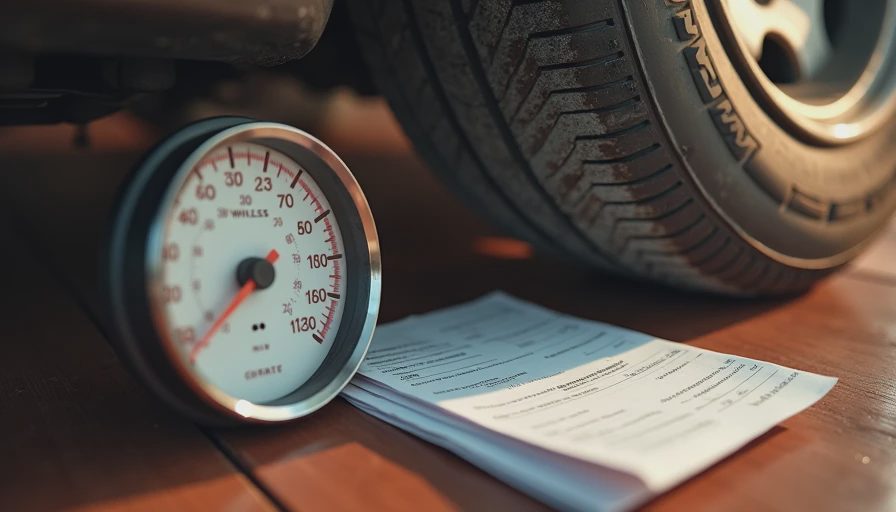
Today, what is considered as high mileage for a car depends heavily on age and maintenance. A five-year-old car with 100,000 miles has been driven 20,000 miles per year — that's high annual mileage, but the car itself is still relatively young. A fifteen-year-old car with 100,000 miles has only 6,666 miles per year, which is low. The vehicle's condition, maintenance history, and rust are far more important than the odometer reading. Most modern engines are designed to last 200,000 miles or more with proper care. Transmission and drivetrain components have similar longevity. Regular oil changes with synthetic oil, timely belt replacements, and avoiding severe driving conditions can push a car well beyond 200,000. So high mileage today is more about neglect than a specific number.
It Depends on the Car
Not all cars are created equal. A Toyota Camry or Honda Accord from the early 2000s is famously reliable at 150,000 miles. A luxury German car from the same period might be a money pit at 80,000. Diesel engines often last 300,000 miles or more. Turbocharged engines may have a shorter lifespan. The design and engineering of each model set a baseline. When I look at what is considered as high mileage for a car, I think about the specific platform. A well-maintained Ford Crown Victoria police interceptor can run 250,000 miles. A high-strung sports car may be tired at 60,000. A 1998-2002 Honda Civic with a manual transmission is known to hit 200,000 without major issues, while a 2010 Subaru Outback might need head gaskets around 100,000. Know your car.
Signs That Mileage Is Actually High
Beyond the odometer, there are physical clues. Rust on the frame or body panels is a serious concern, especially in the Rust Belt where I live. Engine noise, smoke from the exhaust, rough shifting, and fluid leaks all indicate wear. Suspension components like ball joints and bushings wear out around 100,000 miles. If a car has 150,000 miles and still feels tight and quiet, that's a sign of excellent care. Conversely, a 60,000-mile car that was poorly maintained can feel like it's falling apart. Mileage is a number, but the car's history is the real story. Listen for timing chain rattle, check for deferred maintenance on water pumps, alternators, and belts — those are the real indicators of high mileage wear.

How to Evaluate a High-Mileage Car
If you're looking at a car with high miles, focus on maintenance records. A car with 200,000 miles and a stack of receipts for oil changes, timing belt replacements, and transmission services is a safer bet than a 100,000-mile car with no history. Check for rust in critical areas like the strut towers and subframe. Test drive it cold — listen for startup noise. Look under the hood for leaks. Ask about the driving pattern: highway miles are easier on a car than city stop-and-go. And get a pre-purchase inspection from a trusted mechanic. That $100 could save you thousands. I've seen too many people buy a cheap car with moderate miles only to discover expensive hidden problems.
Why Mileage Alone Isn't High or Low
Mileage is just a number. A 120,000-mile car that was driven gently on highways and maintained religiously can be in better shape than a 60,000-mile car that sat in a garage for years with oil sludge. The real question is not what is considered as high mileage for a car, but whether the car has been cared for. Age also matters: seals dry out, rubber hardens, and electronic components age regardless of mileage. A 20-year-old car with 80,000 miles might need just as many rubber and plastic replacements as a 10-year-old car with 150,000 miles.
Conclusion
So what is considered as high mileage for a car? The honest answer is that it's a moving target. A car's true condition depends on age, maintenance, driving habits, and the specific model. Don't let a number scare you away. A well-cared-for car with 150,000 miles can be a better value than a neglected car with half that. In the end, a car tells the truth in miles, not marketing. Take the time to look deeper.



No comments yet — be the first to share a thought.