
I’ve been driving for over 25 years, and if there’s one piece of advice I’ve heard more than any other, it’s this: change your oil regularly. But why do cars need an oil change? The answer goes deeper than just checking a box on a maintenance schedule. It’s about understanding what happens inside your engine every time you turn the key. Over thousands of miles, oil degrades, collects contaminants, and loses its ability to protect metal surfaces. Without fresh oil, your engine’s life shortens dramatically.
Oil Does More Than You Think
Engine oil isn’t just a lubricant. It’s the lifeblood of your motor. When your engine runs, metal parts move against each other at high speeds. Without oil, they’d grind and weld themselves together in seconds. But oil does more than reduce friction. It also carries away heat, suspends contaminants, and prevents corrosion. Over time, oil breaks down. It loses its viscosity, picks up dirt and metal particles, and becomes less effective. That’s why you need to replace it. I remember a friend who let his oil change go for 12,000 miles in a well-known sedan. By the time he brought it in, the oil was thick as sludge, and the engine had already started making a ticking noise. That noise cost him a new head gasket a few months later. Even synthetic blends eventually lose their additive package. The base oil may hold up, but the detergents and anti-wear agents are spent. That’s why following the interval matters.

What Happens When You Skip an Oil Change
When you delay or skip an oil change, the oil gradually turns into a gritty, acidic sludge. This sludge can clog narrow oil passages, starving critical components of lubrication. The result is increased wear on bearings, camshafts, and piston rings. I’ve seen engines where the oil had turned to a thick black tar. That engine needed a full rebuild – a job that easily runs into the thousands of dollars. So the real question isn’t just why do cars need an oil change? It’s what happens if you don’t do it. The engine might last a while on neglected oil, but eventually, the internal clearances open up, performance drops, and you might face a catastrophic failure. A car tells the truth in miles, not marketing – and the truth about skipped oil changes shows up in the repair bill. I once drove a 1998 Camry that had gone 15,000 miles on the same conventional oil. The engine developed a persistent knock, and a used replacement cost me $1,200. That lesson stuck.
The Science of Oil Degradation
Modern oils have additives that help them last longer, but nothing lasts forever. Heat cycles cause oil to oxidize. Fuel dilution from cold starts thins the oil out. Moisture builds up during short trips and doesn’t burn off. All these factors degrade the oil’s ability to protect your engine. Synthetic oils resist breakdown better than conventional, but they still need changing. Some folks think “lifetime” fluids mean not changing them, but that’s a myth. The manufacturer’s recommended interval is your best guide. For most cars, that’s every 5,000 to 7,500 miles. I’ve owned vehicles that went 10,000 miles on synthetic without issues, but I always check the dipstick and watch for signs of wear. If the oil looks dark, smells burnt, or feels gritty, it’s past time for a change. No matter what the bottle says, your engine tells the real story.
Common Myths About Oil Changes
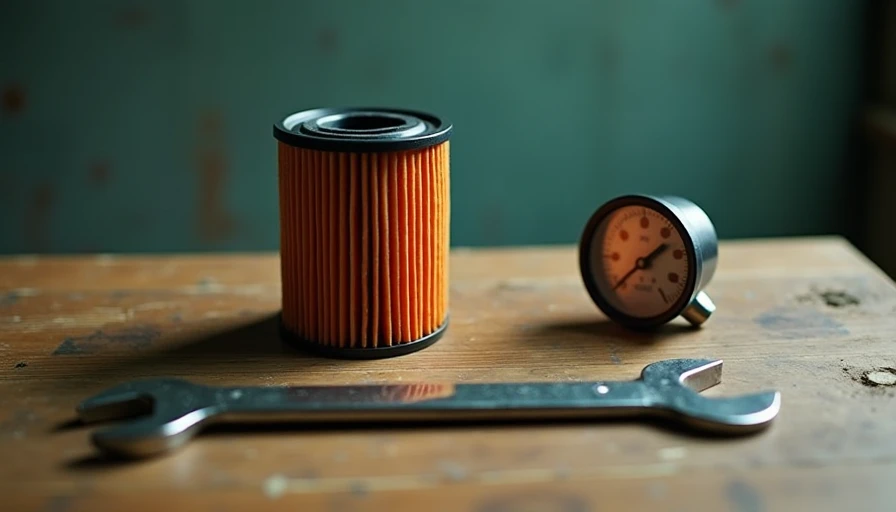
Some drivers think you have to change oil every 3,000 miles. That’s outdated for most modern cars using synthetic blends. Others believe that if the oil looks clean, it’s still good. But color alone doesn’t tell the whole story – additive depletion happens invisibly. Another myth is that thicker oil is better for older engines. While higher viscosity can help with worn seals, using the wrong grade can reduce flow and increase wear. Your owner’s manual knows best. Stick with what’s recommended. I’ve run 5W-30 in my 2003 Honda for years, and it’s still going strong at 180,000 miles. The key is consistency, not guessing.
A Habit Worth Keeping
So, after all this, why do cars need an oil change? Because oil is the single most important preventive maintenance item your engine needs. It’s cheap insurance. A typical oil change costs $30 to $70. Compare that to the cost of an engine replacement – $3,000 to $7,000 or more. The math is simple. I’ve never regretted keeping up with oil changes, even on old cars with high mileage. It’s one of those habits that pays for itself over the long haul. I change mine every 5,000 miles, use a quality filter, and stick with the recommended viscosity. It’s not glamorous, but it keeps my car running smoothly mile after mile.
If you’re wondering about the specifics for your vehicle, check your owner’s manual or ask a trusted mechanic. And remember: the engine doesn’t care about your schedule – it only cares about the oil you put in it. A car tells the truth in miles, not marketing.


No comments yet — be the first to share a thought.