I have been driving a 1967 Mustang for the last six years. Not as a weekend showpiece or a garage queen, but as my primary car from March through November. The classic car driving experience is something you cannot learn from a brochure or a five-minute test drive. It comes to you slowly, one ordinary commute at a time, through the hum of an engine that has its own rhythm and the smell of old metal and gasoline that settles into your clothes.
The Sensory Overload You Did Not Expect
Every time I get behind the wheel, I am reminded how much of modern driving is filtered out. In a classic car, you feel the road through the steering wheel in a way that modern power steering hides. You hear every pebble hit the undercarriage. The cabin temperature is not automatically regulated; you crack a wing window or turn a knob that actually moves a cable. The classic car driving experience is raw because it has to be. There is no nanny system to smooth over imperfections. You become a better driver because you have to pay attention.
I remember my first long trip in the Mustang, a 200-mile run down I-75 to Lexington. By the time I arrived, my right shoulder ached from the unsynchronized manual steering, and my ears rang from the wind noise. But I also felt more connected to the road than I had in years. That is the trade-off: comfort for intimacy.

Mechanical Honesty and the Joy of Simplicity
One thing the classic car driving experience teaches you is how a car actually works. When the engine stumbles on a cold morning, you learn what choke does. When the brakes feel spongy, you know it is time to check the fluid because there is no ABS warning light to wait for. You become part of the machine's operation rather than a passenger with a steering wheel. There is a quiet satisfaction in diagnosing a problem with your hands and ears instead of a diagnostic computer.
I have owned modern cars that felt like appliances. They start every time, they go where you point them, and they isolate you from the world. But the classic car driving experience demands participation. You shift gears deliberately. You plan your braking earlier. You learn to rev-match on downshifts because the transmission expects it. And when you do it right, there is a mechanical harmony that no touchscreen can replicate.
The Reality of Maintenance and Reliability
Let me be honest: The classic car driving experience is not always romantic. There are mornings when it will not start without coaxing. There are weekends when you are lying on a cold garage floor replacing a starter. Parts availability can be a scavenger hunt. I once waited three weeks for a water pump that was supposed to ship in two days. And on a rainy night in November, you might wish for modern defrosters and heated seats.
But that struggle becomes part of the story. When you finally get the engine to fire after a long cranking session, or when you patch a vacuum leak with a piece of hose from the auto parts store, you earn your drive. The classic car driving experience is not about perfection; it is about persistence. You learn to appreciate the good days because you have worked through the bad ones.
The Connection Across Decades
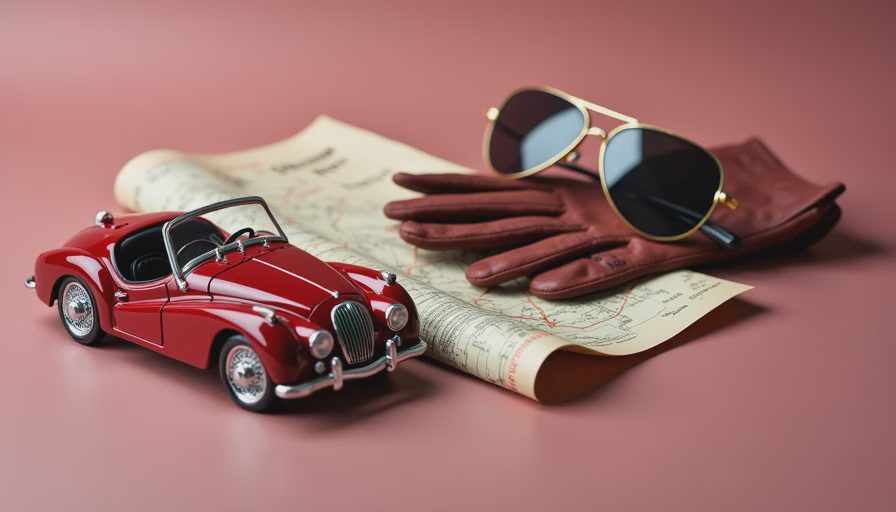
There is something profound about driving a car that is older than you are. You think about the people who owned it before you, the roads they drove, the music they listened to. The steering wheel has worn smooth in places that match your grip. The seats have settled into shapes that fit your frame. The classic car driving experience is a conversation across time. You are not just operating a machine; you are continuing a journey that started long before you turned the key.
I have taken my Mustang to car shows where people tell me stories about the same model their father drove. I have had strangers wave from minivans and give thumbs up at stoplights. The car connects you to a shared American memory in a way that a new Corvette never could.
The Community That Comes With the Keys
One aspect of the classic car driving experience I did not anticipate is the community. The moment you buy a vintage car, you gain entry to a network of owners who share parts, advice, and enthusiasm. I joined the Mustang Club of America and discovered a local chapter that meets monthly at a diner twenty minutes from my house. In those parking lots, I have learned more about tuning a carburetor than any manual could teach me. Rallies and weekend cruises become social events where the cars are just a starting point for conversations about restoration, road trips, and the quirks of specific years.
There is a generosity that comes with this hobby. When my alternator failed at a show, a retiree in a 1969 Camaro spent an hour helping me wire a temporary fix. I have since returned the favor to others. The classic car driving experience is stronger because of the people who keep it alive. You are never really alone with the car; there is always someone who has been through what you are facing and is willing to share what they know. That sense of belonging turns a solitary drive into part of a larger story.
Is It Worth It?
If you are looking for a reliable daily driver that starts every time and costs nothing in maintenance, a classic is not for you. But if you want the classic car driving experience—the kind that wakes you up, makes you pay attention, and gives you stories to tell—then it is absolutely worth it. You just have to accept that the car will ask something of you in return for the joy it gives.
So if you are thinking about buying a classic, do it. Not as an investment, but as a way to remember what driving used to feel like. The miles will teach you more than any review ever could.

No comments yet — be the first to share a thought.