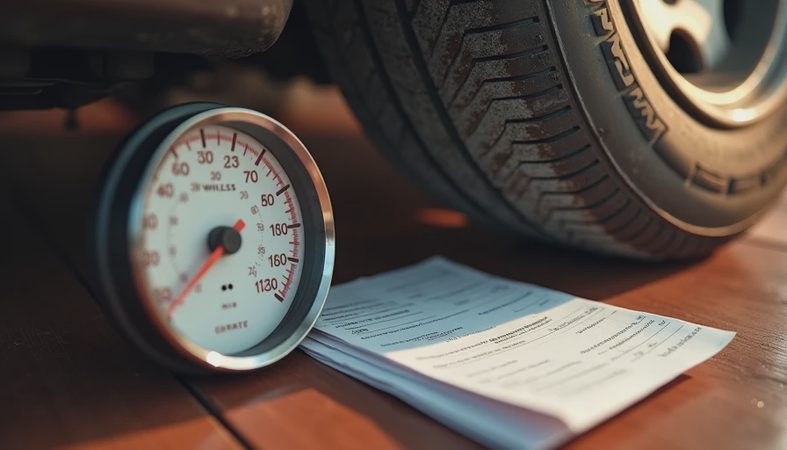
I remember the exact moment my old sedan crossed 100,000 miles. It was a Tuesday afternoon, rain tapping on the roof, the odometer rolling over while I sat at a stoplight on Vine Street in Cincinnati. That number — five digits — changes something in how you think about a car. The truth is, I was not sure how to maintain a car with high mileage until experience taught me that the rules are different past that threshold. A car tells the truth in miles, not marketing, and once you cross into six-figure territory, maintenance becomes less about following a schedule and more about listening to what the car is telling you.
Start with the Basics: Oil Changes and Fluids
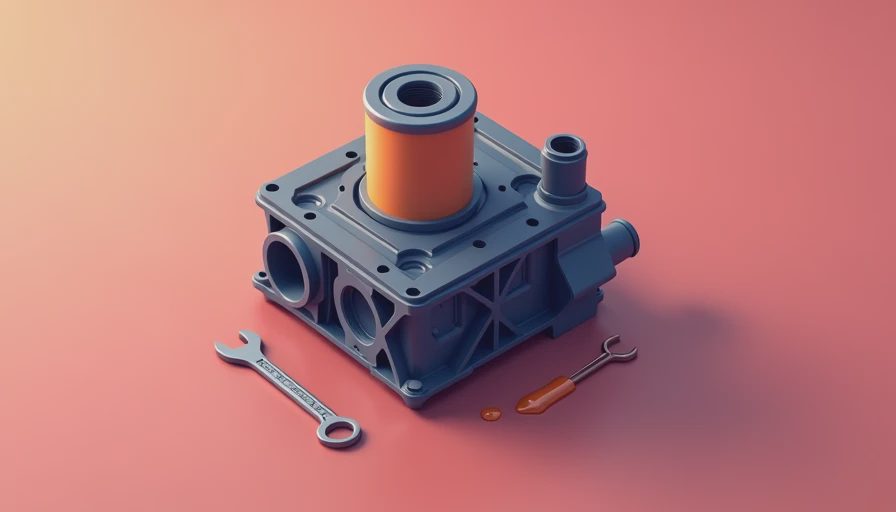
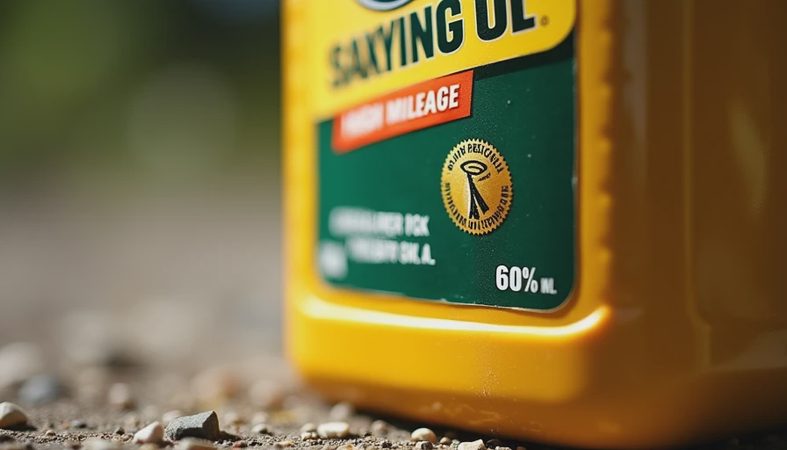
When you are figuring out how to maintain a car with high mileage, oil is the first thing to get right. I stick with a high-mileage synthetic blend from brands like Mobil 1 or Castrol, something designed for engines that have seen years of heat cycles. Every 5,000 miles, no exceptions. I also check transmission fluid, coolant, and brake fluid. A friend of mine — a driver who logged 200,000 miles on a 1998 Honda Accord — told me he replaced his coolant every 30,000 miles instead of the recommended 50,000. That extra care paid off when his water pump never gave out. For high-mileage cars, fluids are cheap insurance. A $30 oil change is a lot cheaper than a $3,000 engine replacement.
Listen to What Your Car Is Telling You
After 100,000 miles, a car starts to speak in a different language. You learn to recognize the sounds. A slight hesitation on cold starts might mean the battery is aging — I replaced mine at 105,000 miles when a simple load test showed it was weak. A faint squeal under braking could be a worn pad. I once ignored a low hum from the differential for two months, and ended up spending $1,200 on a rebuild. If you want to know how to maintain a car with high mileage, the most honest answer is: pay attention. Your car talks to you in vibrations, smells, and noises. Most of the time, it is telling you something small before it becomes something big. A weekly walkaround and a quick listen at idle can save you thousands.
The Little Things That Matter
Belts, hoses, spark plugs, and tires — these are the parts that quietly carry a car through high mileage. On my own car, I replaced the serpentine belt and tensioner at 110,000 miles, even though it looked fine. The mechanic showed me cracks I had missed with my own eyes. I also replace cabin air filters and engine air filters every 20,000 miles. A clogged filter makes the engine work harder, and on a high-mileage car, every bit of strain adds up. Tire rotations and alignments keep the suspension from wearing unevenly. A set of all-season tires from Michelin or Continental can last 60,000 miles if you rotate them every 5,000. These are boring tasks, but they are exactly how to maintain a car with high mileage without surprises.
When to Replace vs. When to Repair
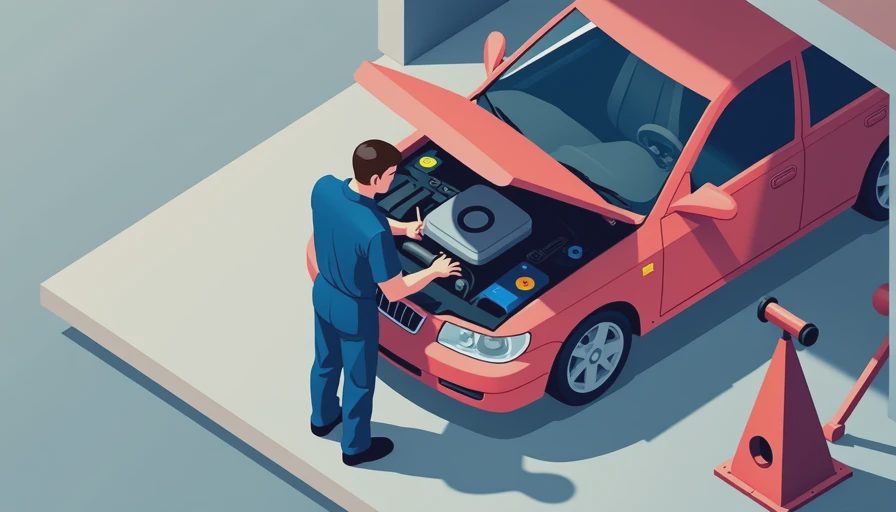
This is the hardest part of owning a high-mileage car. At some point, you will face a $2,000 repair. The question is whether the car is worth it. I have a rule of thumb: if the body is solid and the engine and transmission are original and still running well, I repair. If the car is rusting out or has a failing transmission, it is time to think about a replacement. I have seen drivers pour money into a car that should have been let go. Learning how to maintain a car with high mileage means also learning when to stop. A well-maintained Toyota Camry or Honda Civic from the early 2000s can easily go 250,000 miles, but a neglected one will drain your wallet.
The Emotional Side of High-Mileage Ownership
There is something honest about a car with high mileage. Every dent, every worn seat, every scratch tells a story. I have taken my car on trips across Kentucky, through snowstorms, and to the grocery store on ordinary afternoons. The car becomes part of your life in a way a new one cannot. That emotional connection makes maintenance feel like caring for something, not just preventing breakdowns. So when people ask me how to maintain a car with high mileage, I tell them to treat it with respect. Change the oil, listen for noises, and drive it like it matters — because it does. Time reveals what horsepower hides. A high-mileage car is not a project to fix; it is a companion to look after. Keep the fluids clean, the tires balanced, and your ears open, and you will get many more miles of honest driving.
A High-Mileage Maintenance Checklist to Keep You on Track
Creating a simple routine keeps you from missing important tasks. I follow this checklist: every 5,000 miles, change the oil and filter using a high-mileage synthetic blend like Mobil 1 High Mileage. Every 10,000 miles, visually inspect belts, hoses, and clamps. Every 20,000 miles, replace the engine and cabin air filters. Every 30,000 miles, flush the coolant and replace the brake fluid with a DOT 4 specification. Every 60,000 miles, swap out spark plugs and consider a transmission fluid exchange for non-sealed units. Tires should be rotated every 5,000 miles, and alignment checked annually. I also add a bottle of fuel injector cleaner like Techron every 3,000 miles to keep the combustion system clean. Keep a simple log — a notebook in the glove box or a spreadsheet on your phone — to track when each task was done. This checklist has helped me and many other high-mileage owners avoid major breakdowns. Stick with it, and you can keep your car on the road well past 200,000 miles.

No comments yet — be the first to share a thought.