How to Drive a Manual Car: What 100,000 Miles of Stick Shift Taught Me
I learned how to drive a manual car in a worn-out 1993 Honda Civic with a clutch that bit high and a grindy second gear. That car taught me patience, feel, and the value of a well-timed shift. Over the years, I've driven stick through Ohio winters, stop-and-go traffic on I-71, and winding backroads in Kentucky. This guide comes not from a test drive but from the long, ordinary experience of making a manual transmission part of daily life.
Getting to Know the Clutch: The Heart of the Manual
The clutch pedal is where the relationship between you and the car lives. When you press it down, you disconnect the engine from the wheels. Let it out, and you reconnect. The trick is finding the friction point — that spot where the engine starts to grab and the car wants to move. Every manual feels different. Some clutches are light and progressive; others are heavy and grabby. Spend time in an empty parking lot just getting the car to creep forward without stalling. Let the clutch out slowly until you feel the vibration change and the car inch ahead. Then push it back in. Do that ten times. That feel is the foundation of how to drive a manual car.
The Basic Sequence: Stop, Shift, Go
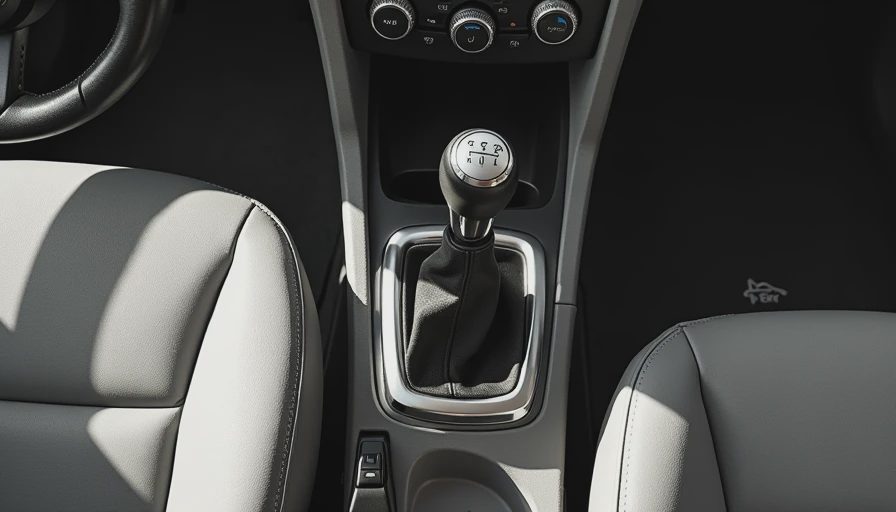
Once you know the friction point, the mechanics are straightforward. Push the clutch all the way down. Move the shifter into first gear. Slowly let the clutch out while gently pressing the gas. As you gain speed, push the clutch in again, move the shifter to second, and repeat. The key is smoothness. Jerky movements come from rushing the clutch or mismatching engine speed. Listen to the engine — when it starts to sound busy or revs climb, it's time to shift up. When it lugs and shakes, shift down. The rhythm becomes second nature after a few weeks. Most people stall because they dump the clutch too quickly or forget to give enough gas. A light touch on the gas pedal as you release the clutch helps.
Hills and Traffic: Where Beginners Struggle Most
A steep hill can rattle any new manual driver. The trick is the handbrake method. Pull the handbrake up, keep the clutch at the friction point, give it some gas, and release the handbrake as you feel the car pull forward. Practice on a gentle incline first. In heavy traffic, you don't need to ride the clutch. Leave a gap to the car ahead and creep forward in first gear without riding the pedal. If traffic stops completely, put it in neutral and take your foot off the clutch. Your left leg will thank you. Living in Cincinnati, I face hills daily. The technique becomes automatic — a quick foot dance between clutch, gas, and brake.
Common Mistakes and How to Avoid Them
Resting your hand on the shifter wears out the transmission's bushings over time. Keep both hands on the wheel except when shifting. Another mistake is shifting too early to save gas. Lugging the engine at low RPMs hurts more than it helps. Let the engine rev naturally before shifting. Downshifting without rev-matching can upset the car's balance. When you downshift, blip the throttle slightly as you release the clutch. This matches engine speed to wheel speed and keeps the ride smooth. Finally, don't worry about perfect rev-matched downshifts every time. Focus on getting the basics right, and smoothness will come.
Downshifting for Engine Braking and Control
One skill that separates beginners from experienced manual drivers is controlled downshifting for slowing down. Instead of just coasting in neutral or braking in gear with the clutch in, you can downshift through the gears to use engine braking. This is especially useful on long downhill stretches to save your brakes and maintain control. To downshift properly, brake lightly with your right foot, then press the clutch, shift to a lower gear, and blip the throttle before releasing the clutch. Practice this at low speeds first — say, from 4th to 3rd on a straight road. Over time, you'll learn to match revs instinctively. This technique is part of mastering how to drive a manual car efficiently and safely. It also reduces wear on your brake pads and gives you an extra layer of control in slippery conditions.
Why Learning Stick Is Worth the Effort
Learning how to drive a manual car connects you to the machine in a way an automatic never can. You feel the engine's power band, anticipate traffic flows, and become a more engaged driver. Manuals are often cheaper to buy and maintain, and they can be more fuel-efficient in the right hands. Plus, you can drive any rental or borrowed car anywhere in the world with confidence. Yes, the learning curve is real. You'll stall at intersections and roll back on hills. But after a few hundred miles, it clicks. A car tells the truth in miles, not marketing, and a manual transmission reveals that truth shift by shift.
No comments yet — be the first to share a thought.