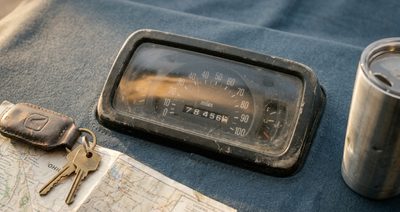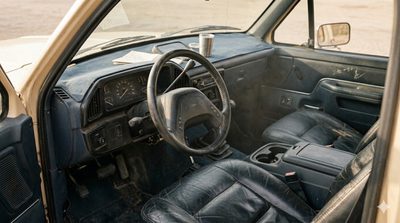
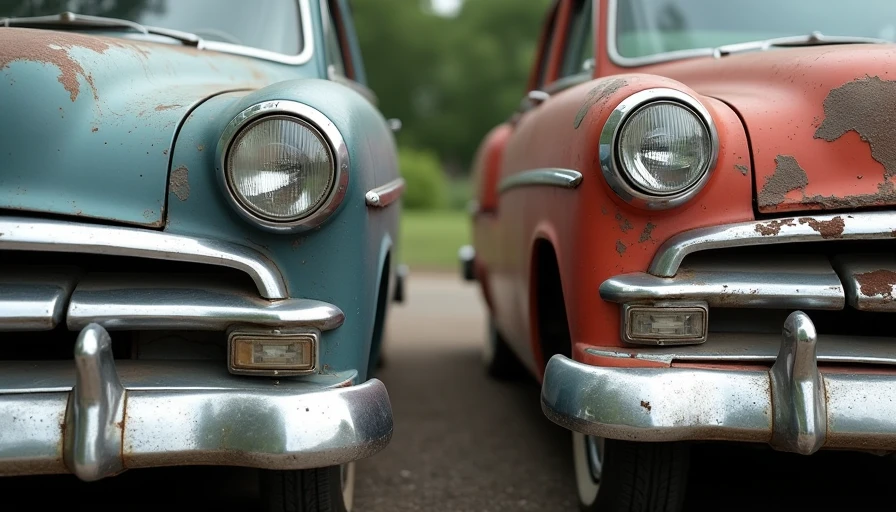

There’s a quiet satisfaction that comes with driving a high-mileage car that still feels right. The engine note is familiar, the quirks are known, and it keeps doing its job without drama. Then there are the other cars — the ones that hit a certain mileage and start demanding more attention, more money, and more emotional energy than they’re worth.
A car tells the truth in miles, not marketing. And the truth about aging is that not all cars age equally. Some grow old with grace. Others just grow expensive.
I’m Daniel Reeves, 44, still out here logging real miles on ordinary roads through Ohio, Indiana, and Kentucky. Over the years I’ve owned both types. One taught me loyalty and appreciation. The other taught me when to walk away. The difference usually becomes clear somewhere after 80,000 or 100,000 miles.
The Graceful Ones
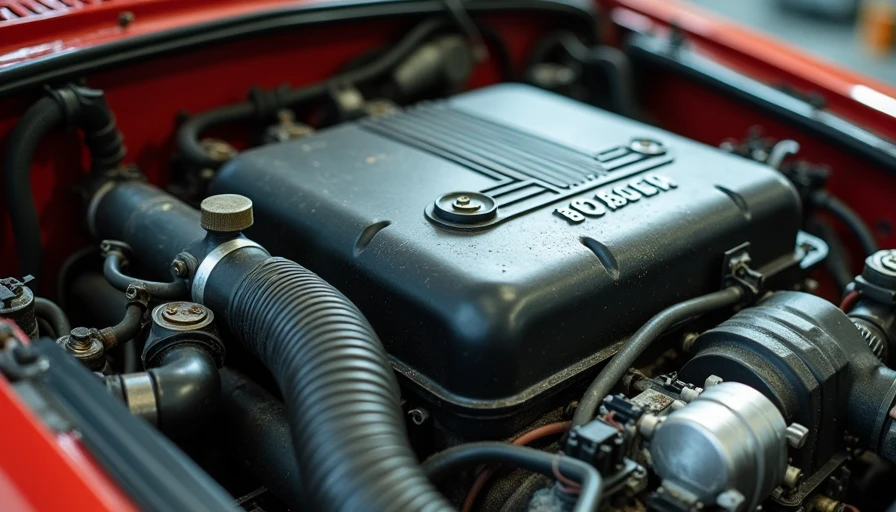
These are the cars that seem to improve with familiarity. They don’t stay “new,” but they become yours in the best possible way.
My 2012 Subaru Outback is currently in this category. At well over 140,000 miles it’s no longer quick or quiet by modern standards, but it feels solid. The all-wheel drive still bites confidently in rain or light snow. The engine pulls smoothly. The interior, while clearly worn, has aged honestly. Small repairs have been straightforward and relatively affordable.
These cars have a few things in common:
Simple, robust engineering that doesn’t rely on complex electronics
Strong rust resistance (huge in the Midwest)
Parts that remain available and reasonably priced
A design that allows for easy maintenance
That hard-to-define quality of “mechanical sympathy” — they respond well to care
You feel like you’re working with the car, not constantly fighting it.
The Expensive Ones
Then there are the cars that start bleeding money as soon as they leave their prime.
I once owned a European sedan that was an absolute joy for the first 70,000 miles. Smooth, refined, quick. Around 85,000 miles the trouble started. One expensive sensor failure led to another. Suspension components that cost three times what they should. Electronics that threw mysterious codes the local shop couldn’t easily diagnose.
Every repair felt like a surprise bill. What began as minor inconveniences turned into a cycle of “fix this to prevent that.” The car still looked sharp and drove nicely when everything worked, but the frequency and cost of keeping it that way eventually broke the relationship.
You learn a vehicle one ordinary day at a time. Sometimes what you learn is that continuing the relationship no longer makes financial or emotional sense.
What Makes the Difference?
After enough ownership cycles, patterns emerge:
Graceful agers tend to have:
Proven mechanical platforms with long production runs
Widespread aftermarket support
Conservative engineering choices (fewer gadgets that can fail)
Bodies that resist rust well
Engines and transmissions with strong reputations for longevity
Expensive agers often feature:
Complex systems that are costly to diagnose and repair
Parts that are expensive or hard to source
Tight packaging that makes simple jobs labor-intensive
Materials or designs that don’t hold up to real-world conditions
Electronics that become obsolete or unsupported
The graceful ones don’t necessarily start as the most exciting cars. They’re often the ones reviewers called “boring” or “adequate.” But adequate that lasts is worth far more than exciting that doesn’t.
The Midwest Factor
Our weather makes the gap even wider. Road salt is brutal on undercarriages. Temperature swings punish seals, fluids, and electronics. Cars that handle these conditions gracefully tend to be the ones engineered with tougher climates in mind — many Japanese and some American trucks and SUVs have this advantage in my experience.
I’ve seen beautiful German cars turn into rusty, temperamental projects here in the Midwest, while certain Hondas and Toyotas just keep plugging along with basic care.
The Emotional and Practical Cost
When a car starts growing expensive, it’s not just the money. It’s the mental load. You start dreading the next repair. Every strange noise makes you tense up. You hesitate to plan longer trips. The joy of ownership slowly drains away.
With graceful agers, the opposite happens. You develop confidence. You know its limits. You trust it to get the job done, even if it’s not the smoothest or quietest ride anymore.
There’s real satisfaction in nursing a good car through its later years. Changing the oil yourself, fixing small issues before they grow, and watching it rack up miles without complaint. It feels like a partnership.
Knowing When to Let Go
Even graceful cars eventually reach a point where repairs no longer make sense. The key is recognizing the difference between normal high-mileage maintenance and the beginning of a money pit.
I’ve learned to ask myself a few questions when the repairs start adding up:
Is this a one-time fix or the start of a pattern?
How much life does the car likely have left after this repair?
Would the repair money be better spent as a down payment on something more reliable?
Does the car still bring more value than stress?
Sometimes the graceful choice is to let it go with gratitude while it still has dignity.
The Sweet Spot
The cars I remember most fondly are the ones that grew old gracefully. They weren’t perfect, but they were honest. They gave me years of reliable service and only asked for reasonable care in return.
My advice after two decades of driving: when shopping, think beyond the first 60,000 miles. Look for the cars with proven long-term reputations. Talk to owners who have kept them past 150k. Check forums for common issues at high mileage, not just new-car problems.
Because the real test isn’t how good a car feels when it’s new. It’s how it behaves when it’s no longer new — when it’s simply yours, with all its history and character.
Some cars earn your respect more with every passing mile. Others slowly price themselves out of your life. Learning to tell the difference is one of the most valuable skills in long-term ownership.
The graceful ones don’t just save you money. They give you peace of mind and hundreds of thousands of honest miles. In the end, that’s worth more than any initial wow factor.
A car tells the truth in miles, not marketing. The ones that grow old gracefully are the ones still telling a good story long after the shiny new phase is over.