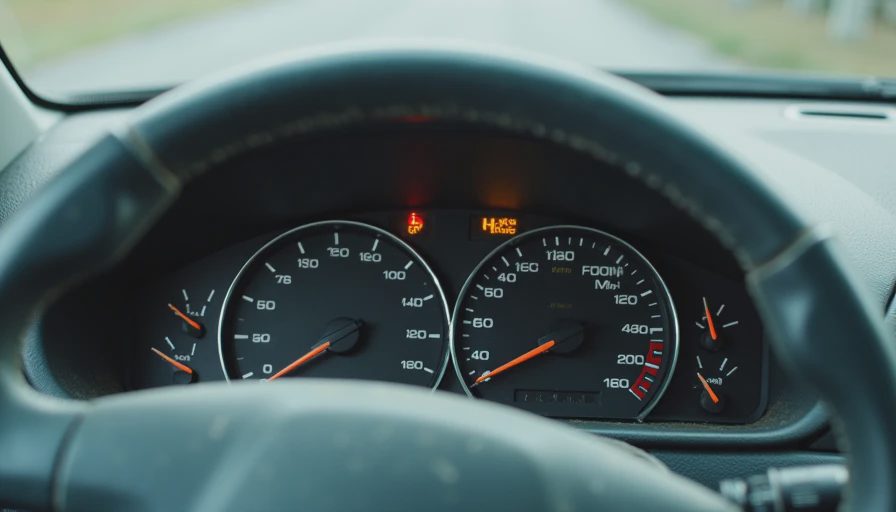
There’s a peculiar phase in long-term ownership that catches almost everyone by surprise. The car hasn’t thrown a single check engine light. Nothing is officially “broken.” Yet something feels different. The machine that once felt solid and predictable now carries a subtle undercurrent of unease. You start wondering if it’s entering its decline.
A car tells the truth in miles, not marketing. And sometimes the truth arrives as a quiet whisper of “something’s not quite right” long before the loud mechanical failure.
I’m Daniel Reeves, 44, still driving the roads of Ohio, Indiana, and Kentucky. I’ve experienced this strange pre-breakdown phase with multiple cars, and each time it taught me something important about how vehicles — and our relationships with them — evolve.
The First Signs Are Rarely Dramatic
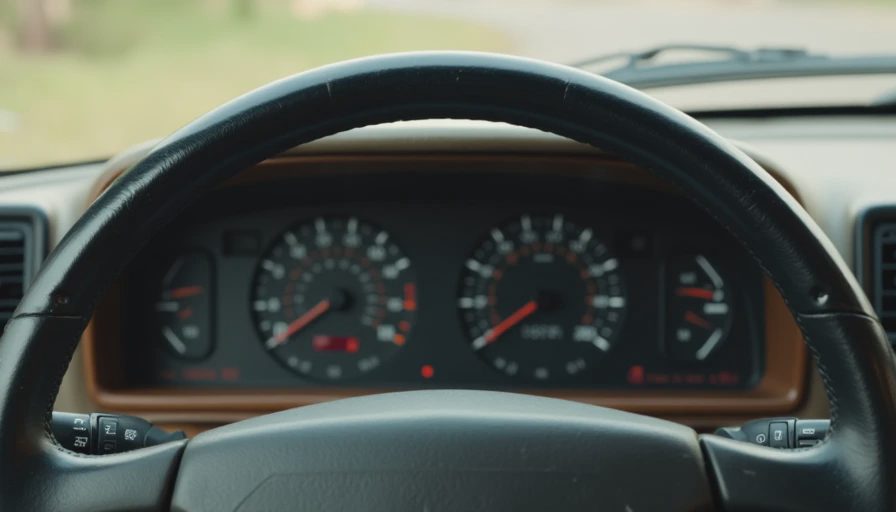
It usually starts small. A slight hesitation when pulling away from a stop on a cold morning. A new vibration in the steering wheel at a very specific speed. The way the transmission shifts just a hair less smoothly than it did last month. Nothing you can easily point to in a shop, but enough to make you pay closer attention.
With one of my previous cars, it began around 98,000 miles. The engine still ran fine. The brakes were adequate. But the whole vehicle started feeling… loose. Not unsafe, just less tight and confident than before. I found myself driving more cautiously, anticipating problems that hadn’t actually arrived yet.
You learn a vehicle one ordinary day at a time. In this phase, you’re learning new, slightly worrying lessons every single drive.
The Psychological Shift
This is when your mental model of the car changes. Instead of trusting it implicitly, you start listening for trouble. Every new sound gets analyzed. Every minor performance dip gets noted. You become hyper-aware in a way you never were during the car’s healthier years.
I remember catching myself saying things like “It’s probably nothing” while simultaneously planning alternative transportation routes in my head. The car hadn’t betrayed me yet, but I was already preparing for the possibility. That mental shift is exhausting.
The irony is that many cars in this phase are still perfectly reliable. They just don’t feel reliable anymore. The accumulated wear creates a perception of fragility even when the actual risk of breakdown remains low.
What’s Actually Happening Mechanically
Several things often converge in this phase:
Suspension components (bushings, shocks, mounts) lose their crispness, creating vague handling and more noise.
Tires that are getting toward the end of their life change the road feel dramatically.
Small vacuum leaks or sensor drift create subtle drivability changes.
Interior wear and exterior cosmetic issues amplify the “tired” feeling.
Buildup of deferred maintenance starts showing its cumulative effect.
None of these are catastrophic on their own. Together, they create the sensation that the car is slowly coming apart.
On one vehicle, I replaced the rear shocks at 107k miles and suddenly realized how much the car had been quietly suffering. The improvement was dramatic. The car didn’t feel broken anymore — even though nothing had been officially broken before the repair.
The Danger of Ignoring the Feeling
Some drivers push through this phase and end up with expensive surprises. Others overreact and sell a car that still had plenty of good miles left. Finding the right balance is tricky.
I’ve learned to use this “feeling broken” period as a diagnostic window. It’s the car’s way of asking for attention before the problems become severe. Listening carefully — and addressing the small things — often extends the vehicle’s life significantly.
Regular maintenance becomes more important than ever here. Fresh fluids, new filters, attention to alignment and tire pressure — these seemingly minor things can dramatically change how the car feels and delay the real mechanical issues.
The Emotional Side of a “Tired” Car
There’s often sadness mixed with the frustration. This is the car that’s been with you through years of life. Seeing it start to struggle feels like watching an old friend slow down. You remember when it felt new and eager. Now it feels like it’s working harder just to keep up.
Yet there can also be gratitude. A car that reaches this phase has already given you far more than many vehicles ever do. The “feeling broken” stage is sometimes just the price of a long, well-lived relationship.
I’ve kept cars through this phase and been rewarded with another 30,000–50,000 reliable miles. I’ve also let some go here and never regretted it. The decision depends on the specific car, your budget, and how much patience you have left.
When the Feeling Is Accurate
Sometimes the feeling is a legitimate early warning. That vague transmission hesitation really does turn into a failure six months later. That new engine knock really does get worse. Learning to distinguish between normal high-mileage wear and actual impending failure is a skill that only comes with experience.
After enough cars, you develop an intuition. You know when the car is just showing its age versus when it’s genuinely asking for help. Trusting that intuition while staying practical is part of mature ownership.
Making Peace With the Transition
Eventually, every car reaches this stage if you keep it long enough. Accepting it as a natural part of the ownership journey — rather than a personal failure or betrayal — makes it easier to handle.
Some of my most satisfying ownership moments came during these transitional periods. Taking a car that felt tired and bringing it back to life with targeted repairs. Learning its new limits and adjusting my driving style accordingly. Finding new appreciation for what it could still do well even as other things faded.
The cars that make it through this phase with dignity often become the ones you remember most fondly. They’ve shown resilience. They’ve earned your respect through perseverance rather than perfection.
The Bigger Picture
When a car starts feeling broken before it actually is, it’s teaching you one of the core truths of long-term ownership: everything has a lifecycle. Mechanical sympathy, attentive maintenance, and realistic expectations can stretch that lifecycle considerably, but they can’t eliminate it.
This phase forces honesty. It makes you evaluate whether continuing with this particular car still makes sense for your life, your budget, and your patience level. It turns abstract ideas about “reliability” into very concrete daily experiences.
In the end, the cars worth keeping through this awkward phase are the ones that respond well to care. The ones that, even as they age, still provide more value than frustration. The ones that continue to tell their honest story mile after mile, even when that story includes a few creaks and hesitations.
Because a car that feels a little broken but keeps going anyway might be teaching you the most valuable lesson of all: reliability isn’t the absence of problems. It’s the willingness to keep showing up and doing the job despite them.
No comments yet — be the first to share a thought.