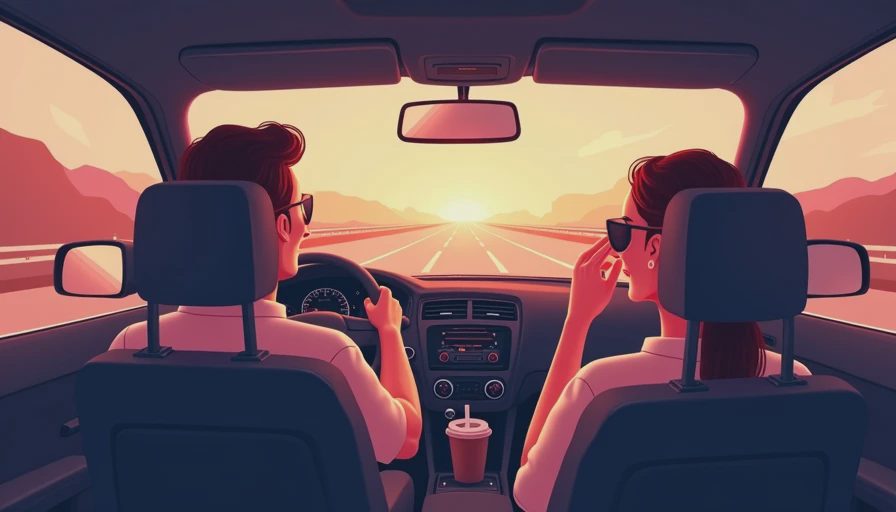
I’ve spent years crossing Ohio, Indiana, and Kentucky behind the wheel, and I can tell you that **eye fatigue while driving** is one of the most underestimated hazards on the road. It creeps up quietly: first a blink that lasts a second too long, then a subtle ache behind your eyes, then the feeling that the dashboard letters are swimming. Most drivers think they just need to push through, but that’s when mistakes happen. After countless miles, I’ve learned that eye strain isn’t something to dismiss—it’s something to actively manage.
What Causes Eye Fatigue on the Road
Your eyes weren’t designed to stare at a fixed distance for hours. On the highway, your focus locks onto the vanishing point, rarely shifting. The muscles that control your lens get stuck in one position, and that’s a recipe for strain. Add in glare from oncoming headlights at night, dry air from the heater or AC, and the rapid flicker of roadside trees or guardrails, and you’ve got a perfect storm. I used to think it was just tiredness from a long day, but now I recognize it as a specific physical sensation—a dull pressure behind the brow. That’s **eye fatigue while driving** telling you to make a change.
Another factor is lighting. Overcast days are surprisingly hard on eyes because the sky is bright but the road is dim, forcing your pupils to constantly adjust. And older cars with cloudy headlight lenses scatter light poorly, making you squint more. I upgraded my 2013 Honda Civic’s headlights to LED bulbs a few years ago, and the difference in clarity was immediate. Less squinting means less **eye fatigue while driving**.
My Routine for Keeping Eyes Fresh on Long Drives
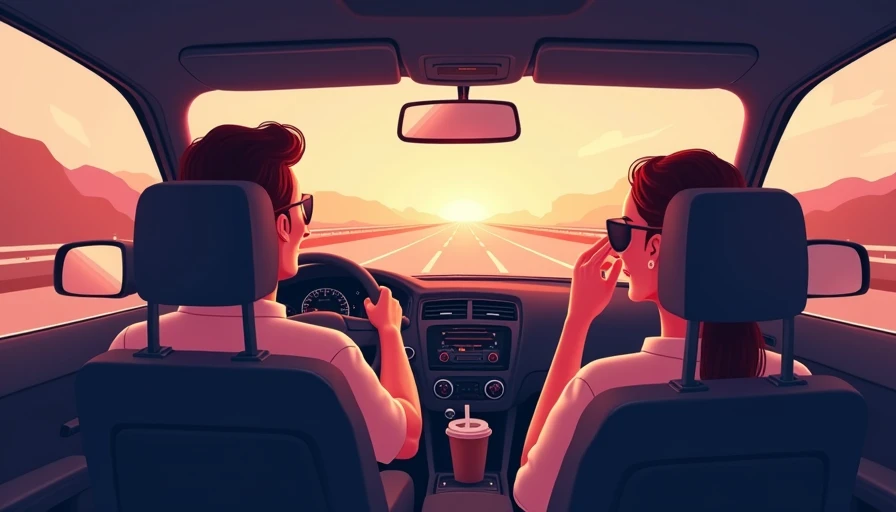
After learning the hard way (winding up exhausted at a rest stop in Indiana, unable to read the exit sign), I developed a simple routine. First, I set my seat height so my eyes are level with the top third of the windshield. This reduces the angle you have to look up to see ahead, easing neck strain too. Second, I use the 20-20-20 rule—every 20 minutes, I glance at something 20 feet away for 20 seconds. On the highway, that might mean switching my gaze to the right mirror, then the speedometer, then the road far ahead. It takes five seconds and does wonders.
I also wear polarized sunglasses during the day, even when it’s overcast. They cut glare from wet pavement and other cars’ windshields. At night, I make sure my interior dashboard lights are dimmed. A bright dash is a huge cause of **eye fatigue while driving** because your eyes constantly adjust between the dark road and the glowing instruments. I keep mine just bright enough to read the speed. And I stop every two hours. Not just for gas—a 10-minute walk outside resets your eyes’ focus by giving them a variety of distances and natural light.
The Long-Term Effects You Can’t Ignore
Ignoring **eye fatigue while driving** doesn’t just make the trip unpleasant; it compounds. Over months and years, chronic eye strain can lead to headaches, dry eye syndrome, and even a subtle decline in night vision that you might blame on age. I’ve met drivers who avoided evening drives because they felt unsafe, when really their eyes just needed better habits. Your eyes deserve the same care as your tires or oil—they’re what keep you on the road and aware of the world around you. A car tells the truth in miles, not marketing, and the truth is that eye strain is a real wear-and-tear item in the driver’s seat.
Simple Car Modifications That Helped Me
Over the years, I’ve made a few small upgrades that reduced my **eye fatigue while driving** significantly. Tinting the side windows (within legal limits) cuts glare without blocking visibility. I added a thin anti-glare film to my rearview mirror for nighttime driving. And I replaced the factory windshield wipers with beam-style blades that smear less, because a clear windshield means less squinting. If you drive an older car like mine, check the windshield for tiny chips or sand blasting from winter road grit—those scatter light and force your eyes to work harder. Replacing a pitted windshield, even if it’s not cracked, transformed how my eyes felt after a long day.
None of these changes are expensive. The total cost for my upgrades was under $150. Compared to the cost of an accident or the frustration of a painful drive home, it’s nothing. I’ve talked to other long-haul drivers who swear by blue-light blocking glasses for daytime driving, though I haven’t tried those myself. The point is, you don’t need a new car to beat eye fatigue—you just need to pay attention to what your eyes are telling you.
When to See a Professional
If you’ve tried these tips and still feel **eye fatigue while driving** regularly, it might be time for an eye exam. I ignored my own symptoms for months, assuming everyone’s eyes hurt after a road trip. But a minor prescription for distance (0.5 diopters) made a night-and-day difference on the highway. Now I wear glasses only for driving, and the tension behind my eyes is gone. Don’t assume your vision is perfect just because you passed the DMV test years ago. At 44, my eyes changed slowly, and I didn’t notice until a routine check.
The bottom line: driving is a visual task above all else. Long trips don’t have to end with a headache or a near-miss. A few intentional habits and small car tweaks can keep **eye fatigue while driving** from stealing the joy of the open road. Take care of your eyes, and they’ll take care of you all the way home.

No comments yet — be the first to share a thought.