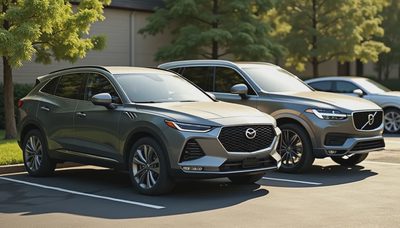

You learn a car one ordinary day at a time. For me, that day starts before dawn, coffee in hand, backing out of a Cincinnati driveway for another 45-minute slog up I-75. After years of doing this in different vehicles, I've come to see that the **top cars for commuting** aren't the flashiest or the fastest. They're the ones that fade into the background of your routine, reliable enough that you stop thinking about them until something goes wrong.
We all want a car that makes the daily grind easier. But the truth is, a test drive won't tell you how a car behaves in January slush, after six months of potholes, or when you're running on fumes and three hours of sleep. The real value of a commuter car reveals itself slowly, in miles, not marketing.
What Makes a Commuter Car Great Over Time?
When people ask me for recommendations, I don't start with horsepower or 0-60 times. I start with seat comfort, visibility, and how easy it is to get in and out of. The **top cars for commuting** share a few common traits: they're fuel-efficient, easy to maintain, and built to absorb the punishment of daily use without falling apart or driving you crazy.
Take the Honda Accord, for example. I've driven several over the years, and the current generation still nails the fundamentals. The seats hold up over long hours, the steering is light but precise enough for merging traffic, and the cabin stays reasonably quiet at highway speeds. It's not exciting, but excitement isn't what you need at 7:30 AM on a Tuesday.
Toyota's Camry is another obvious pick. I've put 80,000 miles on one and it still starts every morning without hesitation. The reliability is legendary for a reason. But it's not just about durability—it's about the small things: cup holders that actually fit your travel mug, controls you can find by feel, a trunk that swallows groceries and golf clubs. These details matter when you live with a car day after day.
The Hybrid and EV Difference
If you have access to charging, a plug-in hybrid or electric vehicle can redefine your commute. I spent a year driving a Toyota Prius, and the biggest surprise wasn't the fuel savings—it was how much quieter and smoother the drive felt. In stop-and-go traffic, the electric motor takes over, and you arrive at work less frazzled. The **top cars for commuting** increasingly include models like the Prius, Honda Insight, and even the Tesla Model 3.
But there's a catch. Electric cars lose range in cold weather, and not everyone has a garage with a Level 2 charger. I've seen friends struggle with public charging infrastructure, especially in apartment complexes. So while an EV can be a fantastic commuter, it's not for everyone. The key is to match the technology to your daily reality, not the hype.
One model that bridges the gap well is the Hyundai Ioniq. It comes in hybrid, plug-in hybrid, and full EV versions, so you can pick the powertrain that fits your routine. I tested the hybrid for a week, and it delivered over 50 mpg in mixed driving. More importantly, it didn't feel like a penalty box—the interior is comfortable, the infotainment system is easy to use, and the ride is composed.
Don't Overlook the Small Sedans and Hatchbacks
You don't need a mid-size sedan to have a great commuter. Sometimes the **top cars for commuting** are smaller, more agile cars that make city driving a breeze. The Mazda3, for instance, is a joy to drive even when you're just crawling through traffic. Its steering is communicative, the engine is eager, and the interior punches above its class in materials. It's not as spacious as an Accord, but for a single-person commute, it's hard to beat.
Honda's Civic has long been a commuter favorite, and for good reason. It's affordable, fuel-efficient, and surprisingly fun to drive. The current generation is roomier inside than you'd expect, and the base engine gets excellent real-world MPG. I've heard from Civic owners who've gone 200,000 miles with nothing but routine maintenance. That kind of longevity is what separates a good commuter from a great one.
Hatchbacks like the Toyota Corolla Hatchback add practicality without sacrificing efficiency. The cargo area makes it easy to haul weekend gear, and the driving position is low and comfortable. If you don't need the extra space of a SUV, a compact hatchback might be the perfect daily driver.
What Routine Reveals About a Car
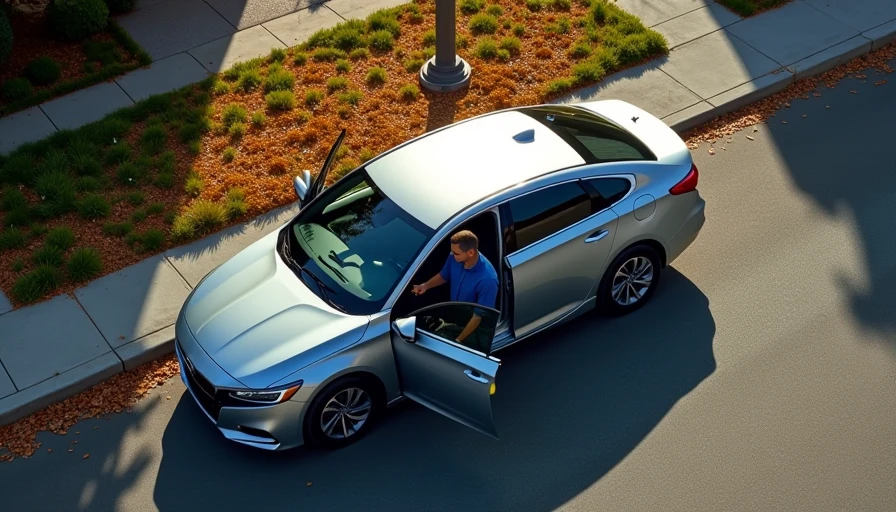
After thousands of miles, you start to notice patterns. The driver's seat bolster that wears down after 30,000 miles. The wind noise that creeps in at 70 mph. The transmission that hesitates just a little when you ask for a quick pass. These are the things that test your patience over time. The **top cars for commuting** are the ones that hold up to this scrutiny.
Tires matter more than most people think. A good set of all-season tires can make a mediocre car feel competent in rain and snow. I've seen drivers blame their car for poor winter handling when the real issue was worn rubber. Spend the extra money on quality tires—it's the best upgrade you can make for commuting confidence.
Maintenance is another factor. A commuter car that requires premium fuel, expensive parts, or frequent trips to the dealer will drain your wallet and your patience. Stick with mainstream brands that have a robust dealer network and affordable parts. That's why Toyotas, Hondas, and Mazdas dominate the used market—they're cheap to keep on the road.
Final Thoughts: Choosing Your Commuter Wisely
There's no single perfect commuter car for everyone. Your commute is unique—the distance, the traffic, the weather, the road conditions, your passengers. But if I had to pick a few models that consistently deliver a great ownership experience over the long haul, it would be the Honda Accord, Toyota Camry, Mazda3, and Toyota Prius. They've earned their reputation the hard way: through years of real-world driving.
Before you buy, ask yourself: How will this car feel after 10,000 miles? After 50,000? Will the seats still be comfortable? Will the tech feel outdated? Will the engine still fire up without drama? The answers to those questions are what separate a good car from a great commuter.
A car tells the truth in miles, not marketing. The **top cars for commuting** prove that truth every day, one ordinary mile at a time.