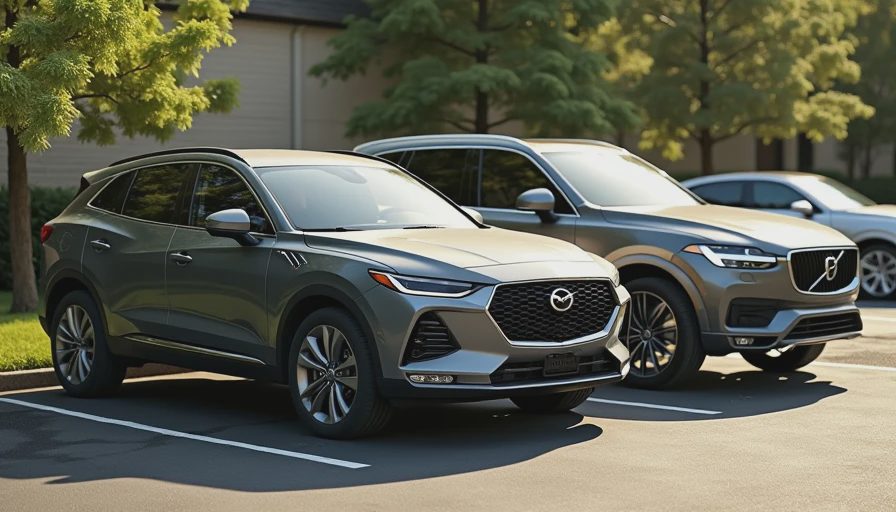
I was sitting in the school pickup line last month when a gleaming new luxury SUV pulled up beside me. Big wheels, aggressive styling, and that fresh-car shine that turns heads. For about thirty seconds, I felt a little pang of envy. Then my kid climbed into my battle-worn Outback with muddy soccer cleats, tossed his backpack on the floor, and asked for a snack. The luxury SUV struggled to maneuver in the tight line while my Outback just… handled it. No drama. No stress.
That moment perfectly captured the truth: the best car for real life is rarely the most impressive one.
A car tells the truth in miles, not marketing. And real life has a lot more grocery runs, school lines, construction zones, and tired evenings than it has scenic coastal drives.
I’m Daniel Reeves, 44, still doing the daily grind across Cincinnati, northern Kentucky, and into Indiana. After years of testing different vehicles against actual life, I’ve learned that the cars that win in the long run are usually the ones reviewers call “boring” or “competent.” Turns out competent is exactly what you want when life gets messy.
The Impressive Car Trap
Impressive cars are great at being impressive. They look sharp in the driveway. They make great first impressions at client meetings. They deliver that satisfying new-car thrill.
But then Monday morning comes.
You’re running late, it’s raining, the kids are arguing, and you need to fit four bags of groceries plus a 6-foot ladder you borrowed from your neighbor. Suddenly that low-slung sports sedan or overly styled crossover becomes more problem than solution. The stiff suspension punishes every pothole. The cargo area is awkward. The turning radius feels too wide for tight parking lots. The fancy screens demand too much attention when you just want to focus on traffic.
I learned this the hard way with a sporty sedan I owned years ago. It was fun on empty backroads. In real life — especially during winter commutes — it was a constant reminder that style often comes at the expense of livability.
What Real Life Actually Demands
Real life demands different things:
Easy ingress and egress when you’re carrying coffee and a laptop
Seats that don’t punish you after the third stop of the day
Cargo space that actually works for irregular loads
Visibility that helps in crowded parking lots and school zones
Controls you can operate without taking your eyes off the road
Heating and cooling systems that work quickly and reliably
A car that starts every single cold morning without negotiation
My current Outback isn’t going to win any beauty contests. But it swallows Costco runs, handles surprise snow, offers great visibility, and the hatch opens high enough that I don’t smack my head when loading. Those practical details matter far more on an ordinary Tuesday than 0-60 times or fancy ambient lighting.
You learn a vehicle one ordinary day at a time. And ordinary days are where the impressive cars often lose their shine.
The Quiet Confidence of the “Boring” Car
The cars that end up being the best for real life tend to have a few things in common:
They disappear into the background of your day instead of demanding attention
They handle the mundane tasks gracefully
Their flaws are small and predictable rather than large and expensive
They age honestly without falling apart dramatically
They let you focus on life instead of the car
There’s a deep satisfaction in driving a car that just works. You don’t think about it constantly. You trust it. It becomes an extension of your routine rather than an event.
I’ve had impressive cars that constantly reminded me they were there — through squeaks, stiff rides, or quirky electronics. The good daily drivers? They become almost invisible in the best way. You only notice them when they do something especially right.
The Family Reality Check
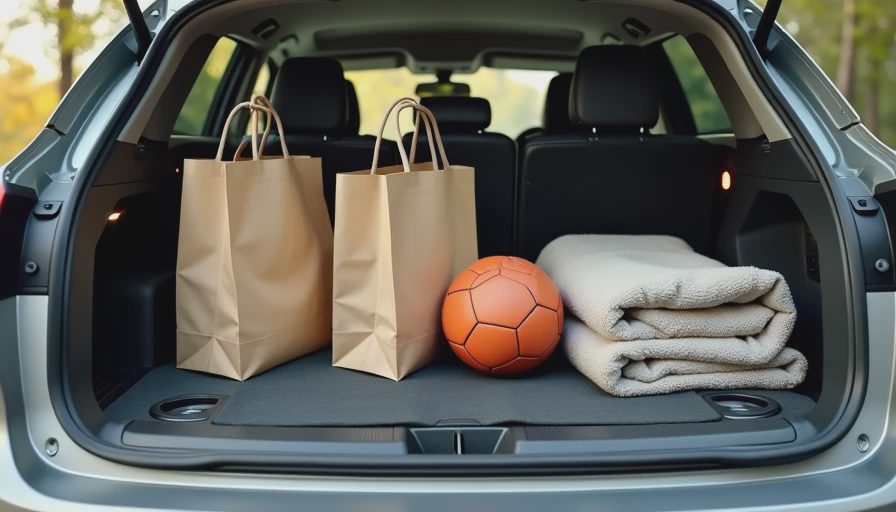
If you have kids, the gap becomes even wider. The most impressive car on paper often fails the family test. Can you easily reach the back to help with seatbelts? Is there enough space for sports gear, instruments, or last-minute projects? Does the trunk handle a double stroller or a week’s worth of groceries?
My Outback has hauled everything from Christmas trees to college dorm furniture. It’s not glamorous, but it has never left me stuck in a parking lot trying to figure out how to make things fit.
Finding Your Own Best Car
The right car for real life depends on your specific routines. For me, it’s something with good ground clearance, practical cargo space, and simple controls. For you, it might be a reliable minivan, a versatile wagon, or a straightforward sedan that just works.
The key is being honest about how you actually use the car, not how you wish you used it. Test drive cars on your real routes. Load them with your actual stuff. Sit in them during your normal commute hours.
Don’t chase the car that impresses strangers. Choose the one that makes your ordinary days slightly easier and more pleasant.
The Long-Term Payoff
The best real-life cars tend to stay with you longer. Because they serve you well day after day, you develop genuine appreciation and loyalty. You don’t feel the constant urge to upgrade. They become part of the background fabric of your life in the best possible way.
Meanwhile, the impressive cars often get traded sooner — either because the maintenance gets expensive or because the novelty wears off and the practical shortcomings become too obvious.
I’ve reached the point where I smile when I see a flashy new car struggling in a crowded parking lot or scraping its bumper on a speed bump. My “boring” Outback just quietly gets the job done, day after day, mile after mile.
The Quiet Rebellion
In a world obsessed with image and first impressions, choosing the practical, capable, un-flashy car is almost a quiet rebellion. It says you value function and peace of mind over showing off.
And honestly? There’s something deeply satisfying about driving a car that perfectly matches your actual life instead of performing for an imagined audience.
The best car for real life is the one you stop noticing because it’s too busy making your days work. That’s not boring. That’s winning.
A car tells the truth in miles, not marketing. And real life has a lot of miles that reward the capable over the flashy every single time.

No comments yet — be the first to share a thought.