A car tells the truth in miles, not marketing. And after 185,000 miles on my 2005 Honda Accord, I’ve learned that what is the best oil for high mileage cars isn’t found in flashy ads. It’s found in cold starts, oil changes, and the quiet difference between an engine that knocks and one that hums. If you’re driving a vehicle past the 75,000-mile mark, the oil you choose matters more than it did when the car was new. Seals dry out. Clearances open up. Sludge becomes a real enemy. The right oil can add years to an engine’s life. The wrong one can speed up its decline.
What Exactly Is "High Mileage"?
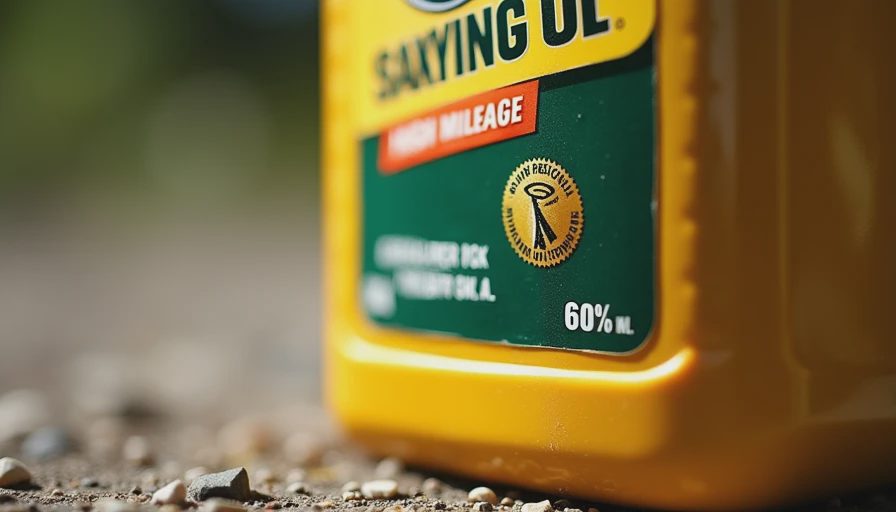
Most oil bottles with the high-mileage label are designed for engines with over 75,000 miles. But that number isn’t magic. What matters is how the engine was treated. A hard-driven 60,000-mile car might need high-mileage oil sooner than a gently used 100,000-mile one. High-mileage oils contain conditioners that help rehydrate old seals, reduce leaks, and minimize oil consumption. They also have detergents to clean out deposits that accumulate over time. If you see a small puddle under your car after parking, or you’re adding a quart between changes, high-mileage oil is worth considering.
Synthetic vs. Conventional for High Mileage Engines
I’ve used both. Conventional oil is cheaper, but it breaks down faster under heat and doesn't protect as well against sludge. Full synthetic flows better in cold weather and resists thermal breakdown. For high-mileage engines, I lean toward synthetic-blend or full synthetic high-mileage formulas. They provide better film strength for worn bearings and rings. I’ve run Valvoline MaxLife Synthetic Blend for the last 50,000 miles, and my oil consumption dropped from a quart every 1,200 miles to about a quart every 2,000. That’s real savings.
Synthetic or not, look for the “high mileage” label. These oils have seal conditioners and detergents that standard oils lack. A conventional oil without those additives won’t do much for an aging engine.
Viscosity: What the Numbers Mean
Your owner’s manual might say 5W-20 or 5W-30. But as miles pile up, you might need to adjust. Worn engines sometimes run smoother and quieter on a slightly thicker oil. It can help fill gaps and reduce noise. I’ve seen guys run 10W-30 in a 200,000-mile engine that called for 5W-20, and it shut up a lifter tick. But don’t go too thick—heavy oil can starve critical parts at cold start. High-mileage oils often come in the same viscosities as standard oils, but they’re formulated with the seal conditioners mentioned earlier. Stick with the manufacturer’s recommended range unless you’ve got a specific problem. If in doubt, a 5W-30 high-mileage synthetic blend is a safe bet for many older engines.
Additives That Actually Help
You’ll see bottles promising to restore compression and stop leaks. I’ve tried a few. The one that worked was Lucas Oil Stabilizer, but it’s not a long-term fix. Zinc and phosphorus (ZDDP) are important for flat-tappet cam engines—older cars from the 90s and earlier. Modern oils have reduced ZDDP to protect catalytic converters, but high-mileage oils often add some back. Check the label. Also, detergents matter. A good high-mileage oil will slowly clean out sludge without clogging your oil pickup tube. I stay away from aggressive engine flushes; gentle cleaning over time is safer.

Brands I've Trusted Over the Miles
I’ve put my money on three: Valvoline MaxLife, Mobil 1 High Mileage, and Castrol GTX High Mileage. Valvoline MaxLife is a synthetic blend that’s affordable and widely available. Mobil 1 High Mileage is full synthetic and excellent for colder climates. Castrol GTX High Mileage has a good reputation and comes at a lower price point. I’ve had no issues with any. For my Accord, I rotate between Valvoline and Mobil 1, and the engine hasn’t given me trouble. Tire Rack reviews and Bob Is The Oil Guy forums confirm these brands work. But the best oil is the one you change on time. More than brand, interval matters. Every 5,000 miles with a high-mileage synthetic blend is better than every 10,000 with the most expensive oil.
The Bottom Line on High Mileage Oil
So what is the best oil for high mileage cars? It’s a high-mileage formula—synthetic blend or full synthetic—in the viscosity your engine was designed for. Brands like Valvoline, Mobil 1, and Castrol all make solid products. But no oil can fix neglect. Change it regularly, check the level often, and listen to your engine. A car reveals its truth in miles, not marketing. Choose the oil that respects the miles you’ve already driven.
Frequently Asked Questions About High Mileage Oil
What is the best oil for high mileage cars under severe driving conditions? If you frequently tow, drive in stop-and-go traffic, or live in extreme heat, a full synthetic high-mileage 5W-30 is a solid choice. Mobil 1 High Mileage handles heat well and stays in grade longer than blends. For severe duty, consider a 0W-40 high-mileage if your engine allows—it provides excellent cold start protection and high-temperature stability.
Can I switch from conventional to synthetic on a high-mileage engine? Yes, but do it gradually. I switched my Accord by first using a high-mileage synthetic blend, then full synthetic after two changes. Sudden switch to full synthetic on a very old engine can dislodge sludge and cause leaks. High-mileage synthetics are formulated to be gentler.
How often should I change high-mileage oil? Every 5,000 miles for synthetic blend, every 7,500 for full synthetic if you drive mostly highway. But check your oil level every 1,000 miles—older engines can burn oil, and running low is worse than using a cheaper oil.
Does high-mileage oil really stop leaks? It reduces minor leaks by rehydrating seals, but it won't fix a bad gasket. If you have a major leak (puddles overnight), you need mechanical repair. High-mileage oil is maintenance, not a miracle.



No comments yet — be the first to share a thought.