Grocery Runs, School Pickups, and Why Small Annoyances Become Big Ones
There’s nothing glamorous about circling the parking lot at Kroger looking for a spot close enough to minimize the walk with three heavy bags and a tired kid. Yet these short, repetitive drives — the ones that barely register more than five or six miles — often reveal more about your car than any weekend road trip ever could.
A car tells the truth in miles, not marketing. And nowhere does it speak louder than in the daily grind of grocery runs, school pickups, and the hundred little errands that make up real life.
I’m Daniel Reeves, 44, still doing the same loops around Cincinnati suburbs, northern Kentucky, and the occasional dash into Indiana. After years of logging these mundane miles in everything from sedans to crossovers, I’ve learned that the short trips are where cars show their true colors — and where small annoyances slowly grow into deal-breakers.
The Hidden Laboratory of Short Trips
Highway miles are forgiving. The car gets up to speed, settles into a groove, and you can ignore a lot of sins. But grocery runs? School pickup lines? Those are brutal honesty tests.
You’re constantly accelerating from a dead stop. Braking hard for shopping carts that roll into your path. Parallel parking in tight spots. Idling while waiting for the bell to ring. These short cycles stress different parts of the car than steady cruising, and they expose weaknesses fast.
My old Accord taught me this lesson the hard way. On long drives it felt solid. But in the school pickup line, that slightly sticky brake pedal went from minor quirk to daily frustration. Every single afternoon I’d think, “Come on, just grab properly.” After six months it felt like the car was personally testing my patience.
Why the Cupholder Situation Matters So Much
Let me tell you about the great cupholder crisis of 2019.
I had a car with two front cupholders. Sounds fine, right? Except one was blocked by the gear selector when in Drive, and the other was too shallow for my travel mug. During a typical Saturday of grocery runs, this became pure comedy. I’d wedge the mug between my legs, pray it wouldn’t spill when I hit the next speed bump, and curse quietly while juggling receipts and my phone.
Small? Yes. But after the 47th time, it stopped being small. It became a symbol of everything that didn’t quite work in daily life.
You learn a vehicle one ordinary day at a time. And on ordinary days, you’re usually carrying coffee, kids, groceries, sports gear, or dry cleaning. The car that handles these chaotic loads gracefully earns your loyalty. The one that fights you every step earns your quiet resentment.
The School Pickup Gauntlet
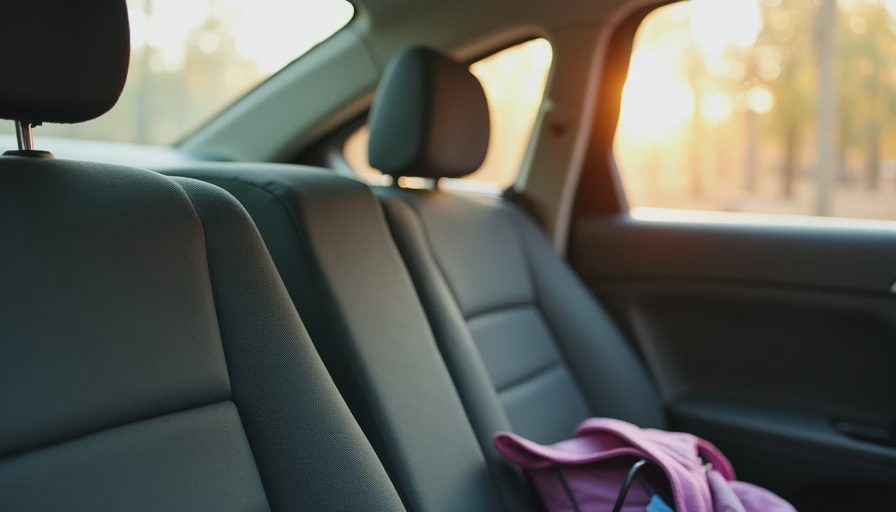
School pickup lines are special kinds of torture chambers for both driver and car.
You sit idling for 15-25 minutes. The AC has to fight the afternoon sun beating through the windows. The seats get hot. Your kid throws their backpack in the back and immediately starts complaining about something. Meanwhile, the car in front of you stops randomly, forcing another short lurch forward.
In this environment, every flaw gets magnified:
That slightly weak air conditioning? Suddenly unbearable.
The sun visor that doesn’t stay up properly? Now it’s blocking your view of the crossing guard.
The rear seat that’s hard to reach for helping with seatbelts? You feel it in your lower back every single day.
I once watched a neighbor trade in a beautiful luxury SUV after two years because the rear doors didn’t open wide enough in the tight school parking lot. The car looked great on paper. In real life, it failed the daily practicality test.
Grocery Runs: The Ultimate Stress Test
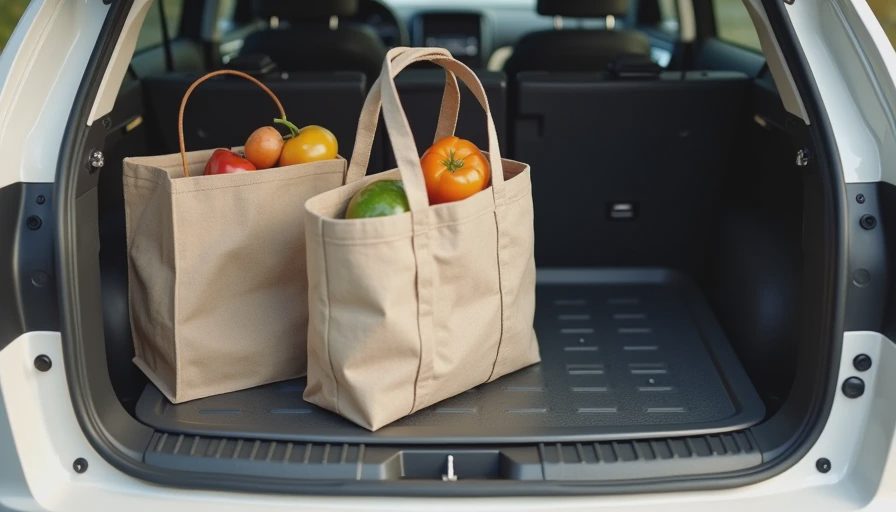
Nothing tests a car like loading it with groceries.
You’ve got cold items that need to stay cold, bread that can’t get smashed, and eggs that have a personal vendetta against survival. The trunk has to be easy to access. The cargo floor needs to be flat. Those silly little cargo nets and tie-downs that looked pointless at the dealership suddenly become your best friends.
My current Outback shines here. The rear hatch opens high and the floor is low and flat. I can slide in cases of water or big boxes without throwing out my back. Previous cars made this simple task feel like a wrestling match.
But even it has its quirks. The cargo cover rattles on rough roads if not perfectly latched. After the 300th grocery run, that rattle moved from “barely noticeable” to “I’m going to lose my mind if I hear it one more time.”
How Small Things Snowball Over Time
Here’s the thing about commute memory and short trips: the annoyances don’t stay small. They compound.
That loose center console armrest becomes the thing you smack every time you reach for your phone.
The Bluetooth connection that drops for three seconds at the worst moment becomes a weekly rage trigger.
The driver’s side floor mat that always curls up and catches your heel turns into a daily safety annoyance.
These aren’t the kind of problems that show up in reviews. They show up in your life, repeatedly, until they shape how you feel about the entire vehicle.
I’ve kept cars longer than I should have because the big things worked. I’ve also traded cars earlier than planned because the small things wore me down. Real ownership is often decided in these moments.
The Cars That Make Short Trips Enjoyable
The best daily drivers for this life aren’t always the fastest or most luxurious. They’re the ones that make the mundane easier.
Easy-to-clean surfaces when kids spill something.
Intuitive controls you can operate without looking.
Good visibility all around, especially when backing out of crowded lots.
Seats that stay comfortable even after the tenth stop of the day.
Quiet enough cabins that you don’t arrive home already exhausted.
My Outback isn’t perfect, but it handles the chaos of real family life better than anything else I’ve owned. The roof rails help with the big Costco runs. The all-wheel drive gives me peace of mind during surprise rainstorms on the way to school. And the sheer amount of space means I rarely have to play Tetris with groceries.
Finding Peace in the Repetition
There’s also something strangely comforting about these loops. The same routes, the same turns, the same parking habits. Your car becomes part of the rhythm of your days. You start anticipating its little sounds and movements. You know exactly when to ease off the gas before that pothole on the way to the store.
These short drives become quiet rituals. Time to decompress after work. Time to talk with your kids about their day. Time to listen to a podcast or just sit with your thoughts while waiting in line.
The car that supports these moments without adding stress becomes more than metal and plastic. It becomes part of the fabric of your everyday happiness.
The Lesson From All Those Short Miles
If you want to really know a car, don’t take it on a scenic drive. Take it to run errands on a busy Saturday. Sit in the school pickup line. Load it with leaking grocery bags and a cranky passenger.
That’s where the truth comes out. Not in 0-60 times or horsepower numbers, but in how gracefully it handles the beautiful, messy chaos of ordinary life.
The small annoyances will always be there. The question is whether they stay small — or whether they grow until they define your relationship with the car.
Choose vehicles that keep the small things small. Your sanity, your back, and your daily mood will thank you.
And if your current car is turning those little things into big frustrations? Pay attention. Your daily drives are trying to tell you something important.
A car tells the truth in miles, not marketing. Especially the short ones.
No comments yet — be the first to share a thought.