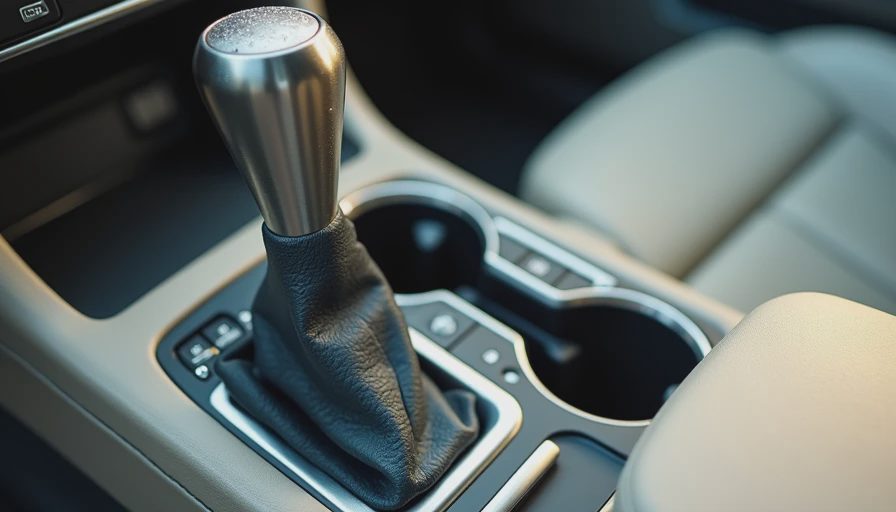
I’ve taken plenty of cars out for weekend test drives on winding country roads near Cincinnati. The salesman smiles, you floor it a little, carve a few corners, and everything feels brilliant. But that feeling disappears the first Monday morning when you’re stuck in stop-and-go traffic on I-75 for forty-five minutes, inching forward, braking, creeping, braking again.
That’s where the real test happens. Not on empty backroads, but in the mundane frustration of daily traffic where you’re surrounded by tired drivers, delivery trucks, and construction cones.
A car tells the truth in miles, not marketing. And nowhere does it speak more clearly than in stop-and-go traffic.
I’m Daniel Reeves, 44, still grinding through the same Ohio and Kentucky commutes week after week. After thousands of hours in traffic that moves like cold molasses, I’ve learned more about cars in these conditions than I ever did during any exciting weekend drive.
The Brutal Honesty of Slow Traffic
Stop-and-go traffic strips a car down to its most basic functions. Acceleration matters less than how smoothly it moves from a dead stop. Braking matters more than top speed. And comfort becomes everything when you’re trapped in the same position for far longer than you want to be.
One car I owned had fantastic highway manners. On a clear weekend drive it felt composed and eager. In heavy traffic? The clutch (in an older manual) made my left leg ache after twenty minutes. The brake pedal felt vague, so I was never quite sure how much pressure I was applying. Small things that only revealed themselves when I had time to notice them — over and over again.
You learn a vehicle one ordinary day at a time. In stop-and-go, those lessons hit you repeatedly, like Chinese water torture with brake lights.
What Traffic Teaches About Brakes and Throttle
In heavy traffic you develop a relationship with the brake pedal. Some cars have brakes that are too touchy — you barely graze them and the car lurches. Others are too soft, requiring you to push harder than feels natural, which gets exhausting in your right leg by the end of the drive.
The throttle response tells its own story. A car that jumps off the line too eagerly makes traffic stressful because you’re constantly modulating to avoid bumping the car ahead. A car that’s too sluggish off the line forces you to leave bigger gaps, which other drivers immediately fill, creating more stress.
My current car has a wonderfully progressive brake feel. It lets me ease into stops without drama. The throttle is calm and predictable. These aren’t headline features, but they make the difference between arriving at work tense or relatively calm.
The Seat and Posture Reality Check
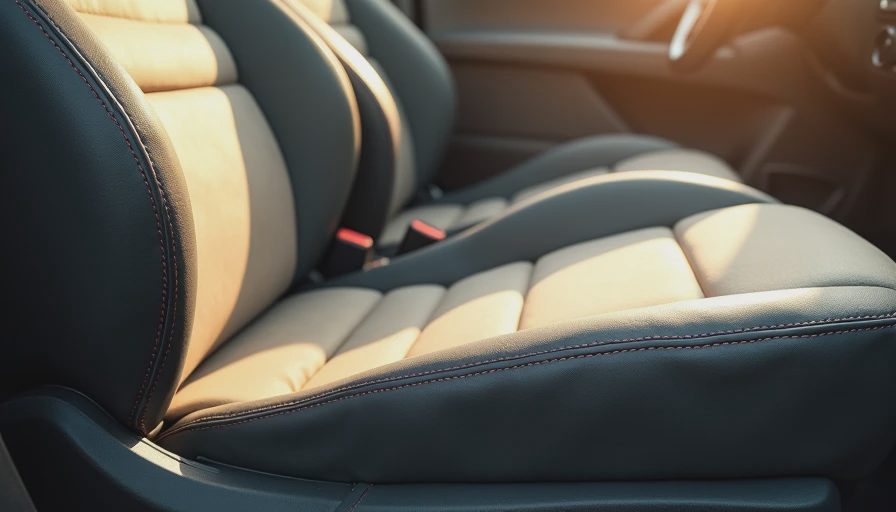
Weekend test drives last maybe fifteen minutes. Traffic forces you to sit in the same position for much longer. That’s when you discover the truth about the seats.
Does the lower back support hold up after thirty minutes? Does the seat bottom cushion create pressure points under your thighs? Is the lumbar adjustment in the right place for your body, or does it push you in weird ways?
I once drove a car whose seats felt great for the first twenty minutes and then slowly turned against me. By minute forty my back was complaining loudly. Another car had seats that felt a little flat on a short drive but proved excellent in real traffic because they supported my posture through the long haul.
Traffic also reveals how well the steering wheel and pedals are positioned for extended low-speed driving. Some cars force you into an awkward arm position that leads to shoulder fatigue. Others let you relax naturally.
Climate Control and Cabin Atmosphere
Nothing tests the HVAC system like stop-and-go traffic. When you’re moving slowly, engine cooling is reduced and the air conditioning has to work harder. Some systems keep up beautifully. Others struggle, letting the cabin get stuffy or the windows fog slightly.
I remember one particularly hot summer day stuck on the bridge into Kentucky. The car’s AC eventually cooled things down, but it took way too long and the fan noise became intrusive. Another car with better insulation and more efficient climate control kept things comfortable without drama.
Traffic also amplifies smells, sounds, and small irritations. A faint musty odor from the vents becomes torture when you can’t escape it. A persistent rattle from the dashboard becomes maddening when you’re moving at 8 mph.
Mental and Emotional Lessons
Stop-and-go traffic turns the car into a pressure cooker for your mood. A good car helps you stay patient. A bad one amplifies frustration.
Some vehicles make traffic feel almost meditative. The controls are intuitive, the seat is comfortable, the cabin stays quiet enough that you can listen to a podcast without constant volume adjustments. Others make every red light feel personal.
I’ve caught myself talking to the car in traffic — not out of anger, but out of long familiarity. “Come on, buddy, just a little smoother on the brakes.” The cars that earned that kind of gentle conversation were the ones that handled traffic with grace instead of adding to the daily grind.
What Weekend Drives Completely Miss
A fun weekend drive shows you handling, power, and initial impressions. Stop-and-go traffic shows you:
How the car behaves in the exact conditions you’ll experience most often
Whether the ergonomics support real daily use
How the transmission (automatic or manual) manages constant speed changes
Whether small annoyances become big ones through repetition
How the car affects your mood after a full week of commuting
The harsh truth is that most of us spend far more time crawling through traffic or sitting at lights than we do carving canyons. The car that excels in real-world conditions is almost always more valuable than the one that shines only on special drives.
Finding Peace in the Grind
Despite everything, I’ve had some strangely peaceful moments in stop-and-go traffic. When the car works with me instead of against me, the slow pace gives me unexpected time to think, to listen to music properly, or simply to observe the world moving around me.
The best traffic cars don’t fight the conditions. They accept them. Smooth engagement, predictable controls, seats that don’t punish you, and a cabin that doesn’t add stress. These qualities turn a frustrating necessity into something almost tolerable.
After years of this, I’ve become convinced that the true measure of a car isn’t how it performs when everything is perfect. It’s how it behaves when nothing is — when you’re tired, running late, stuck behind a truck, and just trying to get through another ordinary day.
That’s the car worth keeping. The one that makes stop-and-go traffic feel a little less like a punishment and a little more like just another part of life you can handle together.
Because in the end, real ownership isn’t measured in perfect weekend drives. It’s measured in all the ordinary, slow, frustrating miles where your car either adds to the burden or quietly helps carry it.
And the cars that do the latter? They’re the ones that earn a permanent place in your driveway.

No comments yet — be the first to share a thought.