There’s a strange irony in car ownership. We obsess over the flashy features during the buying process — big touchscreens, fancy audio systems, digital dashboards that light up like a spaceship. But after enough miles, the things you stop consciously noticing are often the ones doing the heaviest lifting for your daily sanity.
A car tells the truth in miles, not marketing. The deepest truths usually hide in the features that become invisible through perfect execution.
I’m Daniel Reeves, 44, still logging serious miles across Cincinnati and the surrounding states. After years of living with different vehicles through commutes, road trips, and ordinary errands, I’ve learned that the most valuable features are the ones that disappear into the background of your life. They work so consistently well that you only notice them when they’re missing.
The Quiet Heroes of the Cabin

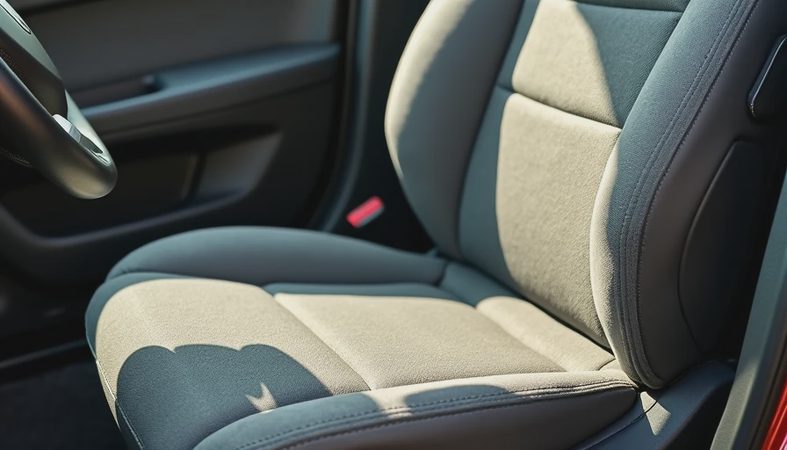
The best seat I ever had in a car was in a relatively ordinary sedan. On paper, it wasn’t special — no massage function, no fancy ventilation, just good basic design. But after 40,000 miles, I realized I never thought about my back or legs while driving. The seat simply held me correctly, hour after hour, without drawing attention to itself.
Then I drove a different car with more “premium” seating. It looked great and felt supportive for the first fifteen minutes. After forty-five? I was shifting around, adjusting, trying to find comfort that never quite arrived. The difference was night and day, yet most reviews would have praised the fancier one.
You learn a vehicle one ordinary day at a time. The best features teach you this lesson by being reliably, almost boringly excellent.
What “Invisible” Really Means
The features you stop noticing usually share one trait: they perform their job without requiring thought, adjustment, or compensation.
The climate control that maintains temperature so steadily you forget it’s on.
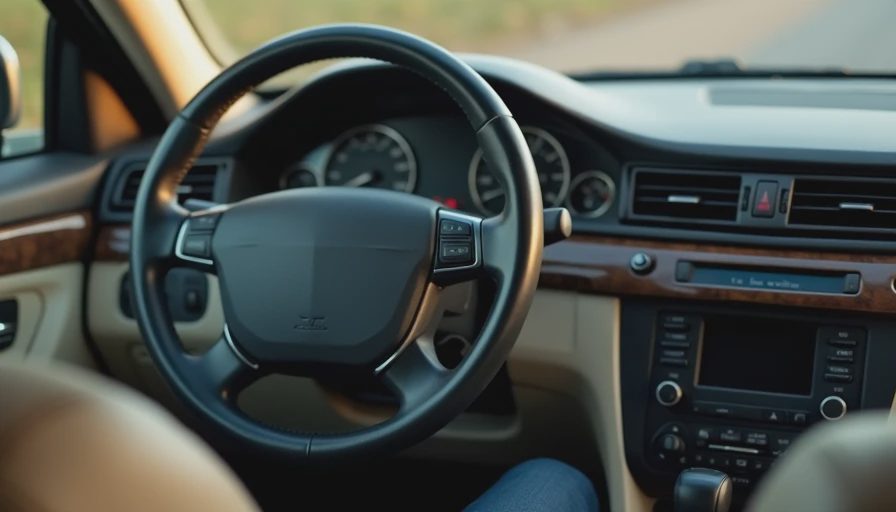
The steering wheel that falls perfectly into your hands at the right height and angle.
The mirrors that eliminate blind spots without distortion.
The pedal placement that lets your legs rest naturally.
The door seals that keep wind noise and water out without effort.
These aren’t flashy. They don’t appear in highlight reels. But they determine whether you arrive at your destination feeling fresh or drained.
I once switched from a car with excellent sound insulation to one that was louder on paper. For the first week I kept thinking something felt off. Then I realized it was the constant low-level road and wind noise that the previous car had handled so well I’d stopped noticing it entirely.
The Ergonomics You Take for Granted
After enough miles, you develop muscle memory for your car’s controls. The best layouts are the ones you stop seeing. Your hand naturally finds the volume knob or temperature dial without looking. The gear selector feels intuitive. The window switches are exactly where your fingers expect them to be.
I remember driving a rental car for a week that had slightly different control placement. Small things — the cruise control buttons were on the wrong side of the wheel, the wiper stalk worked backwards. Nothing major, but the constant tiny mental adjustments added up to noticeable fatigue by the end of each day.
The cars I’ve kept longest had controls that faded into the experience. They worked so naturally that the machine felt like an extension of my body rather than a separate device I had to operate.
When Good Design Becomes Invisible
Good cabin design is like good writing — when it’s excellent, you don’t notice the technique. You just enjoy the story. In a car, you enjoy the drive.
One of my previous vehicles had door pockets shaped perfectly for my phone, wallet, and a small notebook. I never thought about storage until I drove something else where items kept sliding around or falling out. The original pockets had solved a problem so completely that their excellence became invisible.
The same applies to visibility. The best windshield and window design lets you see clearly without glare or distortion. You don’t praise it while driving — you simply drive. Only when you’re squinting through a bad angle or dealing with awkward pillars do you realize how good the previous setup was.
The Long-Term Payoff
The invisible features reveal their true value over years, not minutes. A slightly better seat bolster might not impress you on day one, but after three years and 70,000 miles it becomes priceless. Consistent climate control might seem basic until you’ve spent winters in a car that never quite warms up or summers in one that blasts cold air unevenly.
These quiet features reduce daily friction. They lower stress. They let you focus on the road, your thoughts, or the podcast instead of fighting with the machine around you. Over time, that reduced friction compounds into genuine affection for the car.
Learning to Spot the Invisible Ones
Now when I evaluate a car, I pay special attention to what I stop noticing after a few drives:
How little I adjust the seat or mirrors once set
How rarely I fiddle with the temperature
How naturally my body settles into the driving position
How little mental energy the controls require
If I can drive for an hour and realize I barely thought about the car itself, that’s a strong sign. The machine is doing its job well enough to fade into the background.
The Ones You Do Notice (Usually Negatively)
Conversely, the features that keep demanding attention are rarely the good ones. The touchscreen that lags. The seat that slowly numbs your leg. The mirror that creates a massive blind spot. The control that requires you to look away from the road.
These become constant companions — annoying ones. They never let you forget they exist.
I’ve driven cars where the infotainment system was the star of the show. After a few weeks, I would have traded all that tech for simpler, more intuitive controls and a quieter cabin. The flashy features lost their appeal. The basic ones that worked reliably became the ones I missed most when gone.
Finding Peace in the Ordinary
There’s a deep satisfaction in driving a car where everything important has become invisible. You turn the key, settle in, and simply drive. No wrestling with controls. No constant adjustments. No accumulating irritation.
The cabin becomes a quiet, comfortable space rather than a collection of gadgets. The miles flow more easily. Your mind stays calmer. The drive itself — even the ordinary ones — feels more pleasant.
In the end, the best feature in a car really is the one you stop noticing. Because when the machine gets out of your way and simply works, driving transforms from a task into something closer to effortless movement through your day.
That quiet competence might not sell cars on the showroom floor, but it wins hearts over the long haul of real ownership. And in my experience, those are the cars you keep the longest — not because they excite you every time you look at them, but because they support you so well that you almost forget they’re there.
Until you drive something else and remember just how good invisible excellence can feel.

No comments yet — be the first to share a thought.