The Quiet Emotional Life of an Ordinary Daily Driver
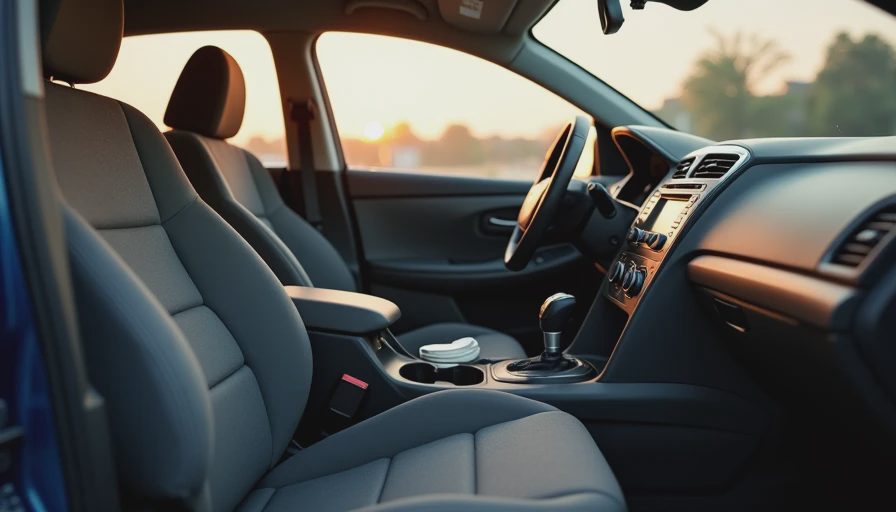
There’s a certain silence that fills the cabin when you’re on the last stretch home after a long day. The radio is off. The kids aren’t fighting in the back. Just the hum of tires on pavement and the faint creak of a seat that’s molded itself to your body over the years. In moments like that, you realize your car isn’t just transportation. It’s become something closer to a quiet companion.
A car tells the truth in miles, not marketing. And some of the deepest truths it tells are the ones you feel but rarely say out loud.
I’m Daniel Reeves, 44, still logging miles across Ohio, Indiana, and Kentucky for work, family, and the endless cycle of ordinary life. I’ve owned loud cars and quiet ones, fast ones and slow ones. But the ones that left the biggest mark weren’t the impressive ones. They were the ordinary daily drivers that simply stayed with me through the unremarkable days that actually make up a life.
The Bond Nobody Advertises
Car commercials show dramatic road trips, conquering mountains, or perfect families laughing on the way to soccer practice. They never show the real stuff: the 6:15 a.m. commute when you’re half-awake and the car starts anyway. The late-night run to the pharmacy because someone has a fever. The parking lot where you sat for twenty minutes after a tough phone call, engine idling, because you weren’t ready to go inside yet.
My current Outback and I have shared all of those moments. It knows the exact route I take when I need to think. It knows I prefer the passenger seat heater on low even in mild weather. It has absorbed years of my terrible singing, frustrated sighs, and the occasional grateful pat on the dashboard after making it through another brutal Midwest winter.
These aren’t grand gestures. They’re small, accumulated intimacies. The quiet emotional life of a car.
When the Car Becomes Part of Your Story
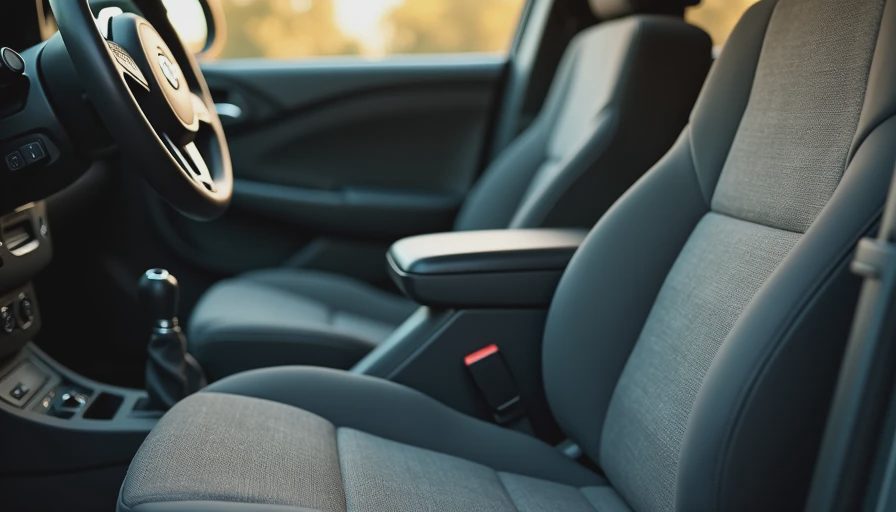
There’s a particular 2011 silver Camry I owned for eight years that I still think about. It wasn’t special. Cloth seats, basic stereo, a dent in the rear fender from a grocery cart that got away from me in 2016. But that car was there for everything.
It carried my daughter to her first day of kindergarten. It waited patiently while I made sales calls in half-empty parking lots. It sheltered me during a surprise hailstorm that came out of nowhere on I-74. When I finally sold it at 168,000 miles, I stood in the buyer’s driveway longer than necessary, feeling strangely hollow.
I didn’t cry or anything dramatic. It was quieter than that — a soft, private sadness. Like saying goodbye to a coworker who’d been with you through three different jobs and two recessions. Reliable. Uncomplaining. Always there.
You learn a vehicle one ordinary day at a time. And over enough ordinary days, it stops being a vehicle and starts being part of your personal history.
The Small Rituals That Matter
Every long-term owner develops rituals. Mine include:
Adjusting the side mirror exactly two clicks before backing out of the driveway.
The way I rest my left hand at the 8 o’clock position on the wheel.
Checking the oil on the first Saturday of every other month, even when I don’t really need to.
Keeping a specific ugly but functional ice scraper in the door pocket that I refuse to replace.
These rituals aren’t logical. They’re emotional. They turn a machine into a familiar space — almost a tiny rolling version of home.
I’ve sat in brand-new cars that felt sterile and cold by comparison. Perfect on paper, but missing that lived-in soul. The coffee stain you can’t quite remove. The faint outline where a phone mount used to live. The way the driver’s floor mat curls up in one corner no matter how many times you straighten it.
Those imperfections are proof of life shared.
The Comfort of Being Known
There’s something deeply comforting about sliding into a car that knows you. The seat doesn’t fight your posture anymore. The controls fall naturally under your fingers. You can find the auxiliary port or wireless charger blindfolded. The car has adapted to you as much as you’ve adapted to it.
In a world where so much feels temporary and disposable, there’s real emotional value in something that has stuck around. Your ordinary daily driver becomes a witness to your life. It was there during the good years and the hard ones. It carried groceries after celebrations and boxes during moves. It listened when you needed to vent and stayed quiet when you needed space.
That kind of steadfast presence is rare. And it matters.
The Guilt, The Gratitude, The Letting Go
Of course, this emotional attachment brings complications. There’s guilt when you think about trading it in. There’s worry when it starts showing its age. There’s that strange defensive pride when someone comments on its mileage or cosmetic wear — as if they’ve insulted an old friend.
I’ve felt all of it.
Yet I’ve also felt profound gratitude. These ordinary cars do hard, unglamorous work without complaint. They don’t ask for much — just fuel, maintenance, and the occasional kind word when they get you home safely one more time.
The quiet emotional life of a daily driver is built on this mutual reliability. You take care of it. It takes care of you. No fireworks. Just steady companionship across the miles.
What Ordinary Cars Teach Us
In the end, the cars that affect us most aren’t usually the ones that thrilled us on day one. They’re the ones that proved themselves on day 1,000. The ones that kept showing up when life was mundane, difficult, or simply busy.
They teach us patience. They teach us maintenance — not just of machines, but of relationships. They remind us that value often reveals itself slowly, through consistency rather than excitement.
My current car isn’t perfect. The roof rack hums above 70 mph. There’s a mysterious stain on the backseat from a spilled slushie in 2023. The driver’s door makes a soft clicking sound when it’s cold. But it starts every morning. It gets me where I need to go. And it feels like mine in a way no new car ever could on delivery day.
That’s the quiet magic of long-term ownership.
A Gentle Reminder
If you currently have an ordinary car that’s been with you for years, take a moment next time you park it. Sit there for an extra minute with the engine off. Listen to the ticks as it cools. Run your hand across the worn steering wheel. Appreciate the silent miles you’ve shared.
Because these everyday cars — the ones that don’t make headlines or social media posts — often end up meaning the most. They carry our lives in the most literal and emotional sense. And in their own quiet, creaky, slightly imperfect way, they love us back.
Or at least, that’s how it feels after enough miles. And maybe that’s enough.

No comments yet — be the first to share a thought.