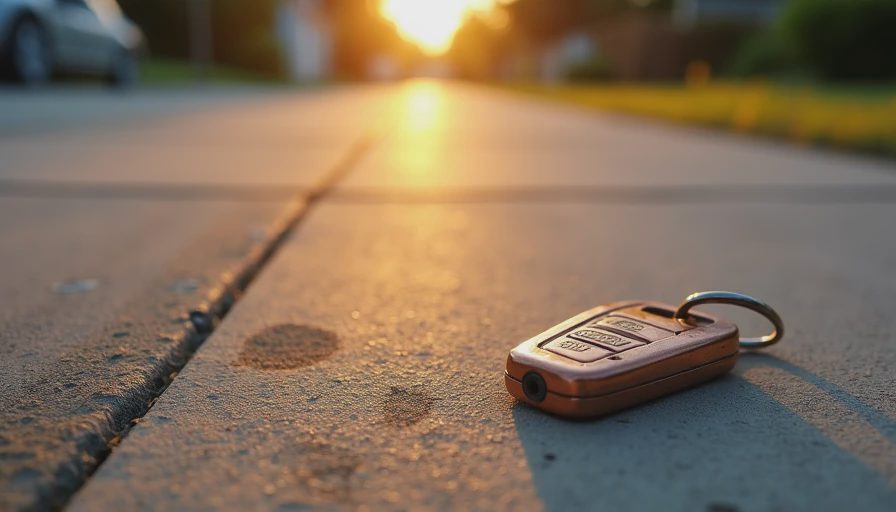
The day I sold my 2008 Honda Accord, I stood in the buyer’s driveway longer than necessary. The paperwork was done. The cash was in my pocket. The new owner was already adjusting the mirrors. Yet I lingered, keys no longer in my hand, feeling strangely hollow.
A car tells the truth in miles, not marketing. And one of the biggest truths comes when you finally let it go.
I’m Daniel Reeves, 44, still driving the roads of Ohio, Indiana, and Kentucky. Over the years I’ve said goodbye to several long-term cars. Each one hit differently. None of them felt like simply selling a tool or an appliance. They felt more like closing a chapter of life that had been quietly written together.
The Build-Up to the Decision
Letting go rarely happens suddenly. It creeps in over months. You notice the repair bills getting bigger. The little annoyances feel louder. You start mentally comparing your current car to newer ones you see on the road. Then one day you run the numbers and realize keeping it might cost more than moving on.
With the Accord, it was around 168,000 miles. The transmission was starting to hesitate on highway merges. The AC wasn’t as cold as it used to be. Rust was beginning to show on the rear wheel wells from too many Midwest winters. Logically, it was time.
Emotionally? That was more complicated.
The Strange Mix of Emotions
There’s relief, of course. Relief that you won’t have to worry about the next big repair. Relief that you’ll have something more reliable for the family and work miles ahead.
But right behind that relief comes a surprising wave of sadness. This car carried your life. It was there during specific seasons — good ones and hard ones. It knew your routines better than some friends do. Handing over the keys feels oddly intimate, like introducing an old companion to a stranger.
I remember driving it to the sale meeting and catching myself talking to it out loud: “You did good, old girl. Thanks for everything.” I felt a little ridiculous, but also completely sincere.
You learn a vehicle one ordinary day at a time. And when you let it go, you realize how many ordinary days it actually witnessed.
The Flood of Memories
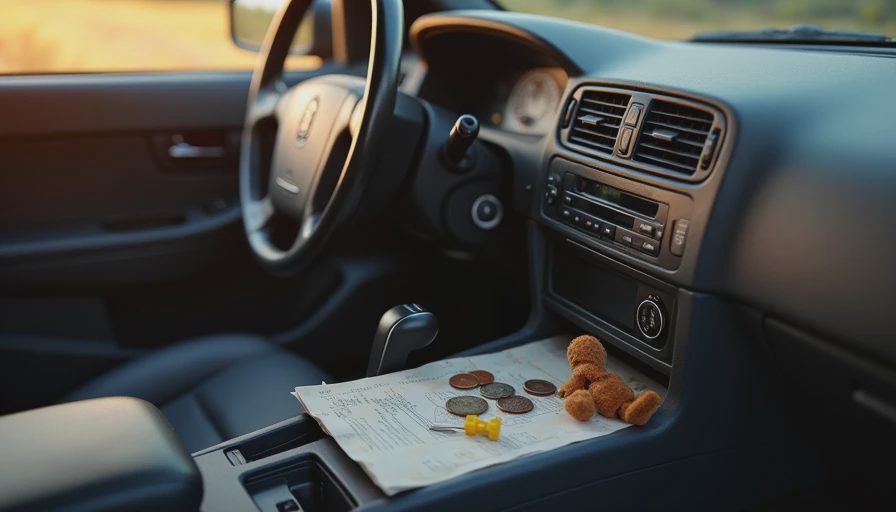
As you clean out the car for the last time, the memories hit in waves:
The coffee stain on the console from that early morning run in 2017
The small dent in the door from the time your daughter misjudged the garage
The exact way the sunvisor flopped down on highway drives
The faint smell that was a mix of fast food, dog, and your old cologne
Each item you remove feels like pulling a thread from a tapestry. The floor mats, the spare change in the center console, the emergency kit you never used but always kept updated. Every object carries a small story.
I found a Lego piece under the seat from when my kids were little. I sat there in the empty parking lot holding it and just smiled for a while.
The Guilt and the Gratitude
There’s often guilt involved. Did I maintain it well enough? Could I have kept it longer? Should I have tried one more repair?
Then the gratitude rushes in. This machine got you home safely through blizzards, heat waves, late nights, and boring commutes. It never asked for much — just gas, oil, and occasional attention. It did its job without complaint for years.
Saying thank you out loud as you hand over the keys isn’t weird. It feels necessary.
The Weird Emptiness Afterward
The first few days after it’s gone are the strangest. You walk out to the driveway and the spot looks wrong. Your hand reaches for a familiar control that isn’t there anymore. You catch yourself thinking “I need to remember to check the tire pressure” before remembering the car is no longer yours.
There’s also a strange sense of freedom mixed with loss. You’re no longer tied to its quirks and looming repair costs. But you’ve also lost something that had become part of your daily identity.
I drove the new (to me) car for weeks before it stopped feeling like a guest and started feeling like mine. The old car’s ghost lingered in my muscle memory for a surprisingly long time.
What You Take With You
Even after the car is gone, pieces of it stay with you:
The driving habits it taught you
The patience it built when things went wrong
The specific way you now position your hands on any steering wheel
The stories you tell about trips you took together
These cars become quiet milestones in your life. You measure time by “before I sold the Accord” and “after the Outback hit 100k.”
Making Better Goodbyes
After a few of these experiences, I’ve learned a few things that help:
Take photos of the car in its usual places — driveway, favorite parking spot, loaded with groceries.
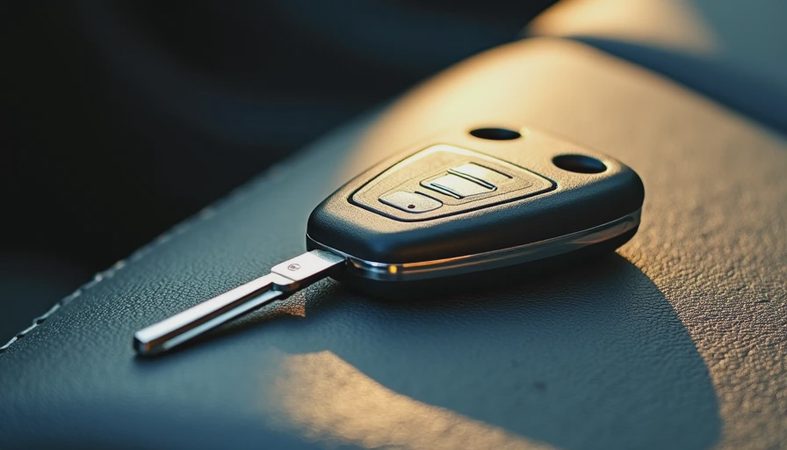
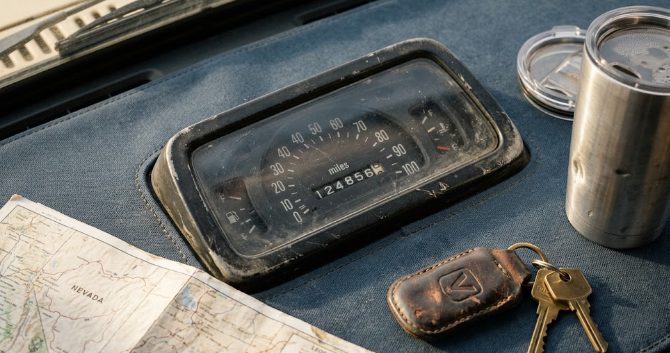
Keep one small memento if it feels right (a key fob, a badge, or even just the odometer reading).
Be honest with the buyer about the car’s history. It honors the relationship.
Allow yourself to feel the mixed emotions instead of brushing them off as silly.
Letting go is part of the long-term ownership journey. The cars we love most are the ones that make it hard to say goodbye.
The Next Chapter
My current Outback is getting up there in miles too. One day I’ll have to let it go as well. When that day comes, I know it will hurt a little. But I also know that pain is the price of having something meaningful in your life for a long time.
Not every car earns this kind of send-off. Only the ones that stuck with you through the ordinary, difficult, and beautiful miles. Those are the ones worth grieving a little when they leave.
If you’re approaching the end with a long-owned car right now, be kind to yourself. Feel the sadness. Celebrate the good miles. Thank the car for its service. Then move forward with the lessons and memories it gave you.
Because that’s the full circle of honest ownership — welcoming a new car with hope, living with it through truth, and letting it go with gratitude when the time comes.
A car tells the truth in miles, not marketing. And sometimes the final truth is the quiet thank you as you walk away.
No comments yet — be the first to share a thought.