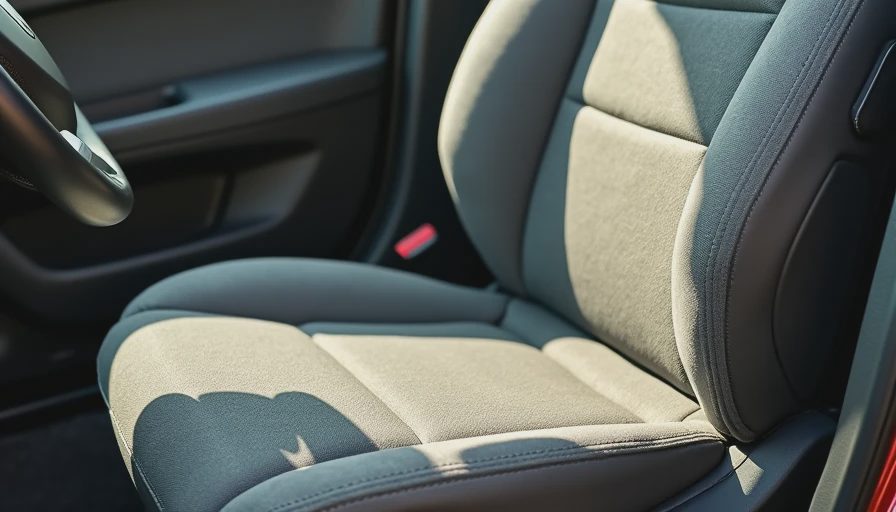
You don’t really know a car seat until you’ve spent serious time in it. Not the polite 10-minute showroom sit. I’m talking about the kind of time where you’ve driven through two seasons, three oil changes, and enough miles that the seat has started to remember your exact shape.
A car tells the truth in miles, not marketing. And few things tell the truth more clearly than how the driver’s seat feels after the newness wears off.
I’m Daniel Reeves, 44, still putting in the miles across Ohio, Indiana, and Kentucky. Over the years I’ve owned cars with seats that felt like clouds at first and others that felt supportive on day one but turned into torture devices by year three. The difference between loving a car and merely tolerating it often comes down to what’s happening under you and behind your back.
The Honeymoon Phase
When you first get a new car, the seats almost always feel great. They’re firm, fresh, and full of promise. The bolsters hug you just right. The cushion feels supportive. You think, “This is going to be perfect.”
My 2012 Outback felt that way. The cloth seats were comfortable enough during the first few months that I genuinely looked forward to longer drives. The fabric breathed well. The adjustment range worked for my height and driving position.
Then the miles started piling up.
When Reality Settles In
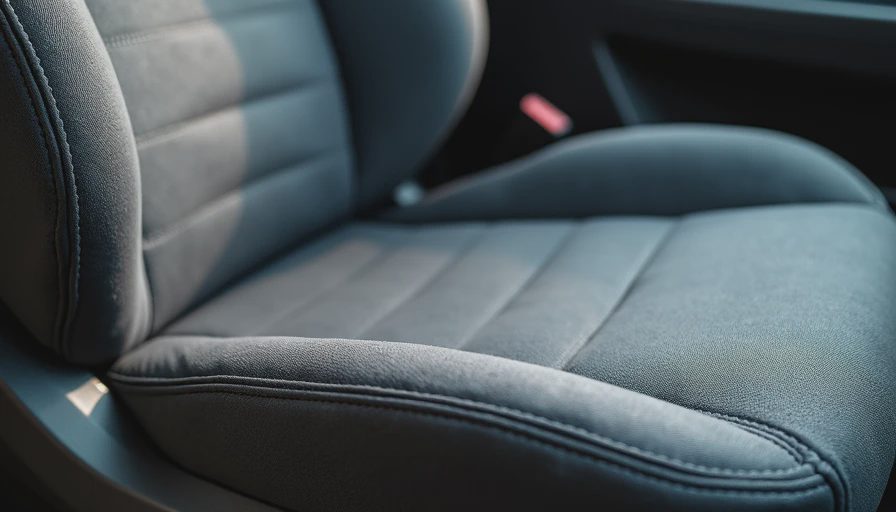
Around the 40,000 to 60,000 mile mark, things begin to change. The foam in the seat cushion starts to compress in the areas where your weight rests most — usually the sit bones and lower back. What was once firm support becomes a slowly forming depression. The side bolsters lose some of their grip. The fabric or leather starts to develop wear patterns that tell the story of your daily posture.
With one previous sedan, the driver’s seat developed a noticeable dip by 55,000 miles. On short trips it was still fine. On anything over an hour, I’d start shifting around, trying to find a position that didn’t make my lower back complain. By the time I traded it, getting out of the car after a sales call felt like uncurling from a bad couch.
You learn a vehicle one ordinary day at a time. And with seats, you learn it through your spine.
What Actually Happens Over Time
Several things work against seat comfort as mileage grows:
Foam degradation: The polyurethane foam loses resilience. It compresses permanently in high-pressure areas.
Bolster wear: The sides that hold you in place during turns flatten out, especially if you drive with any enthusiasm on winding Midwest roads.
Lumbar support fade: If the car has adjustable lumbar, the mechanism can get sloppy or the padding behind it compresses.
Fabric or leather changes: Cloth develops slick spots. Leather can crack, dry, or become sticky in heat. Both lose their original texture.
Frame and springs: In some cars, the underlying seat structure starts to develop a slight give or squeak.
The result? A seat that once made you feel planted and supported now makes you feel like you’re slowly sinking or fighting for position.
The Commute Test Is Brutal
Nothing exposes bad seat evolution like a regular 40-minute commute.
In the beginning, you barely notice the seat. After a couple of years, you notice everything: how your right leg starts to fall asleep on long highway stretches, how the lack of proper thigh support makes your knees ache, or how the seatback angle that felt perfect at 20,000 miles now leaves you slouching by mile 35.
I’ve arrived at client meetings with a numb left butt cheek more times than I care to admit. That kind of thing quietly poisons your opinion of an otherwise solid car.
The Cars That Age Gracefully
Not all seats fall apart the same way. Some hold up remarkably well.
My current Outback’s seats have aged better than most. Even past 140k miles, they still offer decent support, though I’ve added a thin seat cushion for longer days. The cloth has worn in a honest way — it looks used, but it hasn’t gone slick or threadbare. The bolsters still have some life in them.
The best long-term seats I’ve experienced combined good initial design with quality materials and enough adjustability to adapt as both the seat and my body changed over time.
Small Upgrades That Make a Big Difference
You don’t always need a new car when the seats start letting you down. Sometimes small interventions help:
Quality seat covers that add cushion and grip
Memory foam or gel seat cushions for extra support
Regular conditioning for leather
Adjusting driving position slightly as the seat changes
Getting the seat rails and mechanisms checked for wear
I’ve done all of these at different points. Some worked better than others, but they all bought me more comfortable miles.
Why Seat Comfort Matters More Than People Admit
Here’s the honest truth: seat comfort affects your entire perception of the vehicle. A car with great seats but mediocre everything else often feels better overall than a loaded model with terrible seats.
It affects fatigue levels, focus while driving, even your mood when you arrive. After enough miles, you start associating the car with how your body feels at the end of a drive. That emotional connection runs deeper than horsepower or fancy screens.
I’ve turned down cars I otherwise liked because the test drive revealed seats that would destroy me on real-world days. Conversely, I’ve kept cars longer than practical because the seats still worked with my body.
Making Peace With Changing Seats
Every car seat will change with time if you keep the vehicle long enough. Accepting that reality is part of mature ownership. The goal isn’t perfection forever — it’s reasonable comfort for the miles you actually drive.
Some days I miss the firm, fresh feel of a new seat. But there’s also satisfaction in a seat that has slowly molded itself to me. It knows my driving posture. It carries the invisible imprint of thousands of drives, conversations, thoughts, and quiet moments.
That kind of familiarity has its own comfort.
In the end, the best seats aren’t the ones that feel perfect on day one. They’re the ones that still support you reasonably well on day 1,500. They adapt as you adapt. They wear honestly instead of failing dramatically.
Because when you spend that much time in a car, comfort isn’t a luxury. It’s one of the most important truths the vehicle can tell you.
A car tells the truth in miles, not marketing. And your back and hips will always hear that truth first.



No comments yet — be the first to share a thought.