
There’s a moment on a long drive when you realize you’ve been clenching your jaw for the last twenty minutes. The radio is up louder than it should be. Your shoulders feel tight. And when you finally exit the highway and the background roar drops away, you let out a breath you didn’t know you were holding.
That roar? Road noise. The constant, invisible companion that most buyers never consider when they’re kicking tires on a Saturday afternoon. Yet after enough miles, it becomes one of the loudest truths in long-term ownership.
A car tells the truth in miles, not marketing. And road noise tells one of the most honest stories of all.
I’m Daniel Reeves, 44, still putting in serious miles across Ohio, Indiana, and Kentucky. After years of daily driving, I’ve come to see cabin noise not as a minor annoyance but as a legitimate operating cost — one that affects your mood, your fatigue level, your conversations, and even your long-term enjoyment of the car.
Why Road Noise Sneaks Up On You
When you first drive a new car, everything feels quiet. The tires are fresh, the seals are tight, and you’re mostly focused on how smooth the ride feels. But put a few seasons and 30,000+ miles on it and the soundscape changes.
Tires wear and develop different tread patterns. Road surfaces beat on the underbody. Seals compress slightly. Insulation materials settle. Suddenly that “quiet cabin” marketing claim from the brochure feels more like a suggestion than a guarantee.
On my previous car, I didn’t really notice the noise creeping in until one random Tuesday. I was driving the same stretch of I-74 I’d driven hundreds of times, and I realized I was shouting to my wife in the passenger seat even though we weren’t going particularly fast. The tire roar had slowly become the dominant voice in the cabin.
The Real Daily Cost
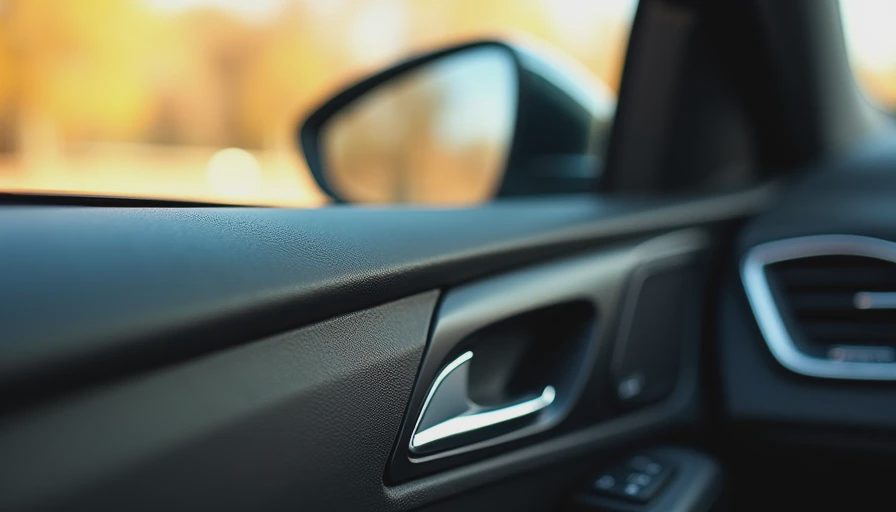
Road noise doesn’t show up on any repair bill, but it extracts payment every single day.
It makes you turn up the volume on podcasts and music until your speakers distort. It forces you to repeat yourself during hands-free calls. It adds low-level stress that you don’t consciously register until you drive a genuinely quiet car and feel the difference in your shoulders at the end of the trip.
I’ve arrived at client meetings after a noisy commute feeling mentally fried even though the drive wasn’t especially long. The constant auditory load wears on you. It’s like trying to concentrate while someone runs a vacuum cleaner in the next room — except the vacuum follows you for forty minutes every morning and afternoon.
You learn a vehicle one ordinary day at a time. With road noise, the lesson is that comfort isn’t just about seats. It’s about what your ears and nervous system have to endure mile after mile.
What Actually Makes Noise
After enough time behind the wheel, you start diagnosing the sources:
Tire noise: The biggest culprit on most daily drivers. Aggressive tread patterns that were great in snow become loud humming machines in summer. I’ve learned that switching to quieter touring tires can transform a car more than many mechanical upgrades.
Wind noise: Usually around mirrors, window seals, and roof rails. One car I owned had a whistle that started at exactly 68 mph. Every single time.
Road rumble: Transmitted through the suspension and floorpan. Cars with better sound deadening underneath feel dramatically different on concrete highways.
Interior buzzes and rattles: Those mysterious sounds that appear around 50k miles and slowly drive you crazy. The loose trim piece behind the rear seat. The glovebox that vibrates at certain engine speeds.
The frustrating part is that these issues are rarely dramatic enough to justify a trip to the shop. They just slowly erode your daily driving experience.
How Noise Changes With Mileage
At lower miles, most cars feel relatively serene. By 80,000–100,000 miles, the cumulative effect becomes obvious. Suspension bushings soften, allowing more vibration through. Wheel bearings develop a subtle growl. Tires have been replaced once or twice, sometimes with louder options than stock.
I remember hitting a stretch of freshly paved highway in my car with 95k miles. For a few glorious miles the noise dropped away and the cabin felt peaceful again. Then we hit normal pavement and the roar returned like an unwelcome old friend. That contrast taught me how much I’d adapted to living with constant background noise.
Some cars age gracefully in this department. Others seem to get louder with every passing season, as if they’re slowly shedding their sound-deadening layers like an old coat.
The Hidden Fatigue Factor
Here’s what almost nobody talks about: constant road noise contributes to driver fatigue in a measurable way. It forces your brain to work harder to filter out unwanted sound. It raises your stress hormones subtly. It makes long drives more exhausting than the actual physical effort would suggest.
I’ve tested this informally over the years by alternating between noisier and quieter vehicles on similar routes. The difference in how I felt upon arrival was striking. In the quiet car, I could jump straight into work or family time. In the noisy one, I needed a mental reset before I was good for much of anything.
This is especially true on longer trips. What starts as mild tire hum at hour one becomes oppressive by hour four.
Small Wins That Make Big Differences
After years of noticing these things, I’ve become smarter about fighting back:
Quality tire choices make more difference than most people expect.
Adding extra sound deadening material in doors and under the carpet (if you’re handy) can pay off hugely.
Keeping seals clean and occasionally treating rubber with protectant helps reduce wind noise.
Sometimes the simplest fix is accepting that your current car is loud and planning for a quieter one next time.
I’ve also learned to appreciate the cars that got the little things right — thicker glass, better floor insulation, thoughtful mirror design. These features don’t make headlines, but they make ordinary miles far more livable.
When Quiet Becomes Luxury
There’s a special pleasure in driving a car that lets you hear yourself think. One where you can have a normal conversation without raising your voice. One where the podcast narrator doesn’t have to compete with the road.
That quiet doesn’t have to mean luxury brand. Some mainstream cars simply do a better job of managing noise through thoughtful engineering. Others cut corners on insulation to save weight or cost, and you pay for it every single day in subtle discomfort.
The best long-term ownership cars aren’t always the most powerful or the most stylish. Sometimes they’re the ones that create a calm, quiet space for your mind while carrying you through another ordinary week.
In the end, road noise is one of those hidden costs that compounds over time. You don’t notice the full price until you’ve paid it for thousands of miles. But once you’ve experienced a genuinely quiet cabin on a long drive, it’s hard to go back.
So the next time you’re considering a car, take it on the highway. Roll the windows up. Turn the radio off. And just listen. That sound — or the pleasant lack of it — might tell you more about your future with that vehicle than any window sticker ever could.
Because in the quiet moments, you’ll hear the truth loud and clear.
No comments yet — be the first to share a thought.