
I’ve driven some impressive cars during weekend test drives and dealer demos. Smooth acceleration, fancy screens, that new-car shine. But none of them prepared me for the real test: the same 42-mile round trip I make five days a week between my house in Cincinnati and client calls across northern Kentucky.
That daily grind — the one with the same traffic lights, the same construction zones, the same tired feeling at 6:17 p.m. — that’s where a car stops performing and starts revealing its true nature. No marketing video ever captures what it’s like when you’re stuck in the same left-lane merge for the 187th time this year.
A car tells the truth in miles, not marketing. And nowhere does it speak louder than during the daily commute.
I’m Daniel Reeves, 44, logging endless hours on Ohio roads for work. After more than two decades of this routine, I’ve learned that the commute isn’t just transportation. It’s the ultimate proving ground.
Why the Commute Exposes Everything
A weekend canyon drive shows you power and handling. A daily commute shows you everything else: how the seat feels after 35 minutes, whether the climate control keeps up when the sun beats down, how the cabin noise affects your mood by the time you arrive, and whether the car makes you more tired or less tired than when you left home.
On paper, my current sedan looked fine. Comfortable seats, decent sound system, good fuel economy. In the first week of commuting, I discovered the driver’s seat cushion had a weird firmness right under my left sit bone that became noticeable around mile 18 every single morning. By Friday, that spot felt like a small rock.
These aren’t things you notice on a 20-minute test drive. They reveal themselves only through repetition.
The Small Annoyances That Grow
Let me paint you a picture of a typical Tuesday morning commute. Alarm at 6:10. Coffee in the cupholder. Backing out of the driveway while the engine is still waking up. By the third red light, I already know exactly how this drive is going to feel.
The center console armrest is a little too low for my elbow on long stretches. The sun visor doesn’t quite stay in position when I flip it down for that brutal eastbound glare on I-75. The Bluetooth connection sometimes drops for two seconds right when the podcast is getting good. Tiny things. But when you live with them every day, they stop being tiny.
One winter I had a car whose defroster took forever to clear the lower windshield. Every morning I’d be driving with a little foggy band at eye level for the first 12 minutes. Nothing dangerous, but enough to make me grumble the entire way. That car taught me that visibility in bad weather matters more than horsepower.
You learn a vehicle one ordinary day at a time. The commute is where those lessons pile up fastest.
Traffic: The Ultimate Character Test
Stop-and-go traffic on the bridge into Kentucky is where cars show their soul. Some vehicles make you feel calm and patient. Others turn you into a clenched-jaw monster by mile three.
I once drove a car with a brake pedal that required just a little too much effort in slow traffic. By the end of a 45-minute crawl, my right leg was burning. Another car had fantastic brakes but terrible sound insulation — every truck that passed sounded like it was driving through my head.
The best commute cars aren’t the ones that feel exciting when you floor it. They’re the ones that make 35 mph in heavy rain feel tolerable. They’re the ones whose seats support your lower back when you’re stuck for 25 minutes with nowhere to go. They’re the ones that let you arrive at work without needing a nap in the parking lot.
What My Commutes Have Taught Me About Comfort
After thousands of commutes, I’ve become picky about details most reviews ignore:
How quickly the heated seat actually warms the part that touches your back, not just the bottom.
Whether the steering wheel heater works on both sides equally (many don’t).
How the armrest position affects shoulder tension after 30+ minutes.
The exact placement of the volume knob or steering wheel controls so you don’t have to look down.
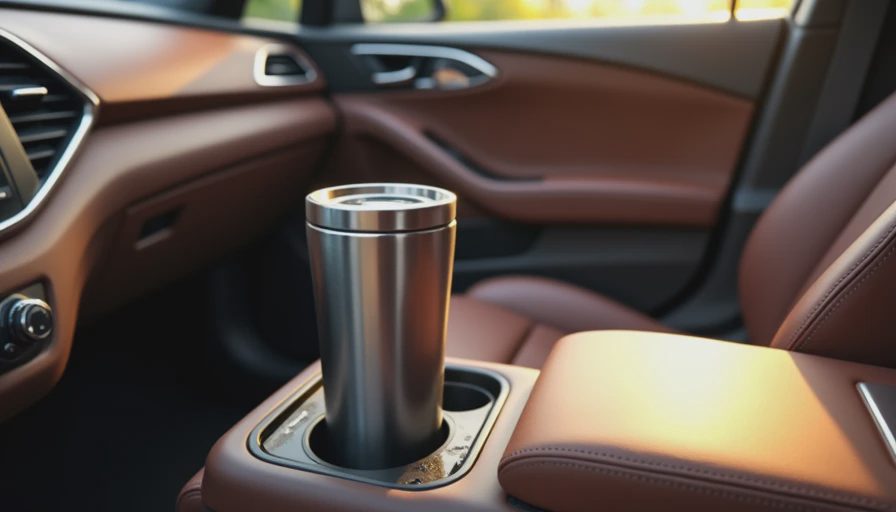
My current daily driver has a small but perfect trait: the cupholder is positioned so my large coffee doesn’t block the gear selector. Sounds trivial until you’ve spilled lukewarm coffee on your lap during a hurried lane change because the previous car’s cupholder was terribly placed.
The Mental Side of the Daily Drive
The commute also becomes a strange kind of therapy space. Some mornings I use it to plan the day. Others I use it to decompress after a tough meeting. The car becomes a quiet room on wheels.
I’ve had moments of genuine peace listening to music while watching the same familiar exits roll by. I’ve also had days where a persistent rattle somewhere behind the glovebox slowly drove me toward madness. The difference between those days often came down to whether the car itself added stress or removed it.
There’s a particular kind of fatigue that only long-term commuters understand — the kind that comes not from the distance, but from the repetition. A good commute car works with your mind. A bad one works against it.
When the Commute Becomes Familiar in a Good Way
Here’s the surprising part: after enough months and miles, the commute stops feeling like a chore and starts feeling like a ritual. The car becomes part of that ritual.
I know exactly where to position my hands on the wheel for the long straight sections. I know the precise speed where the road noise drops to its most pleasant tone. I know which radio station comes in clearest near that one particular hill.
There’s comfort in that familiarity. The car stops being a tool and becomes an extension of your daily rhythm. You stop fighting it and start moving with it.
I’ve driven the same route long enough to notice how different cars change the experience of the exact same road. One car made the potholes on that one exit ramp feel brutal. Another absorbed them with quiet grace. Same road, completely different feeling.
Practical Lessons From Years of Commuting
If you’re in the middle of a long ownership journey, pay attention to these commute truths:
Test drive during rush hour if possible. Evening traffic reveals more than a sunny Saturday morning ever will.
Sit in the car for at least 30 minutes in the dealer lot. Drive it, then sit some more.
Pay attention to where your body wants support after 45 minutes, not just the first 10.
Listen to the car with the radio off. The small sounds matter more than you think.
Notice how you feel when you arrive. That feeling multiplies over years.
The daily commute doesn’t lie. It shows you whether this car will be a patient partner through ordinary life or a source of low-level daily irritation.
In the end, the best car for real life is rarely the one that feels most impressive on a short drive. It’s the one that makes your ordinary Tuesdays better. The one that lets you arrive at work with a little more patience and a little less tension. The one that turns the daily grind into something almost peaceful.
Because at the end of another long week, when you finally pull into your driveway on Friday evening, it’s not the acceleration numbers you’ll remember. It’s how the car made all those ordinary miles feel.
And that, more than anything else, is what really matters.

No comments yet — be the first to share a thought.