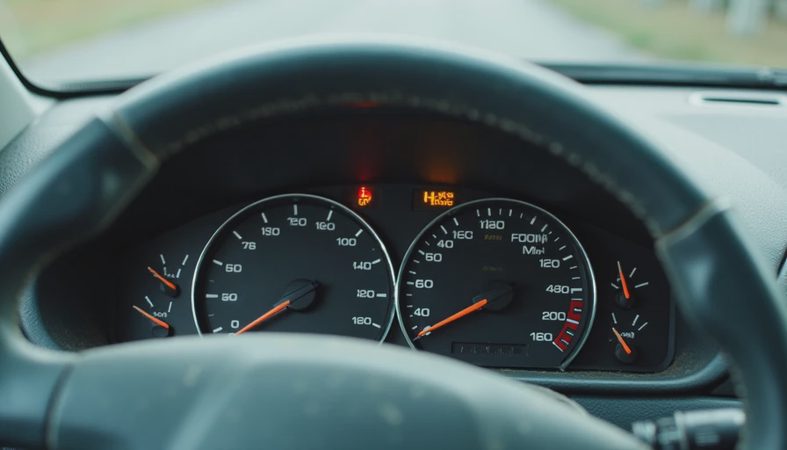
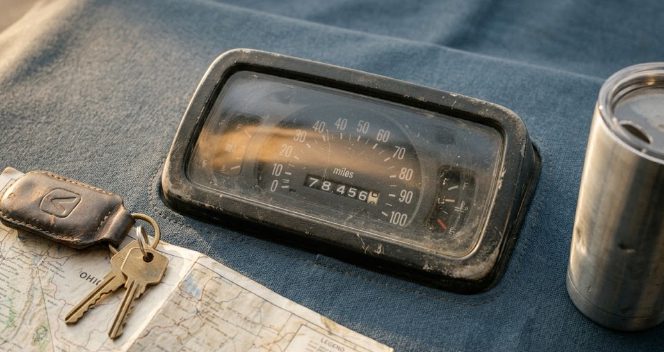
There’s a quiet moment that happens when your car’s odometer rolls past 100,000 miles. For me, it wasn’t dramatic. No check engine light, no sudden breakdown, just a soft click as the numbers turned over on a rainy Tuesday afternoon somewhere on I-71 heading north out of Cincinnati. I pulled into a rest area, killed the engine, and sat there for a minute listening to the ticks and pops of a cooling engine that had just carried me through another ordinary week.
A car tells the truth in miles, not marketing. And at 100k, the truth gets loud — even if the car itself has grown quieter in some ways.
I’m Daniel Reeves, 44, still logging miles across Ohio, Indiana, and Kentucky for work. I’ve now watched multiple vehicles cross this threshold, and each time it feels like crossing a quiet border into a new phase of ownership. Not the end of reliability, but the beginning of a deeper, more honest relationship.
The First 30,000 Miles: Everything Still Feels Possible
Early miles are forgiving. The car still smells new. Suspension feels tight. Paint shines. You’re still discovering each other. Minor squeaks get ignored because “it’s basically brand new.” You forgive the little things.
By 60,000 miles, the honeymoon is definitely over. You’ve seen a couple winters, maybe one set of tires, and at least one surprise repair. The car has started adapting to your life — seat foam compressing exactly where you sit, mirrors adjusted to your height so perfectly you forget they were ever different.
But 100,000? That’s when the car stops performing for you and starts simply being with you.
What Actually Changes at 100k
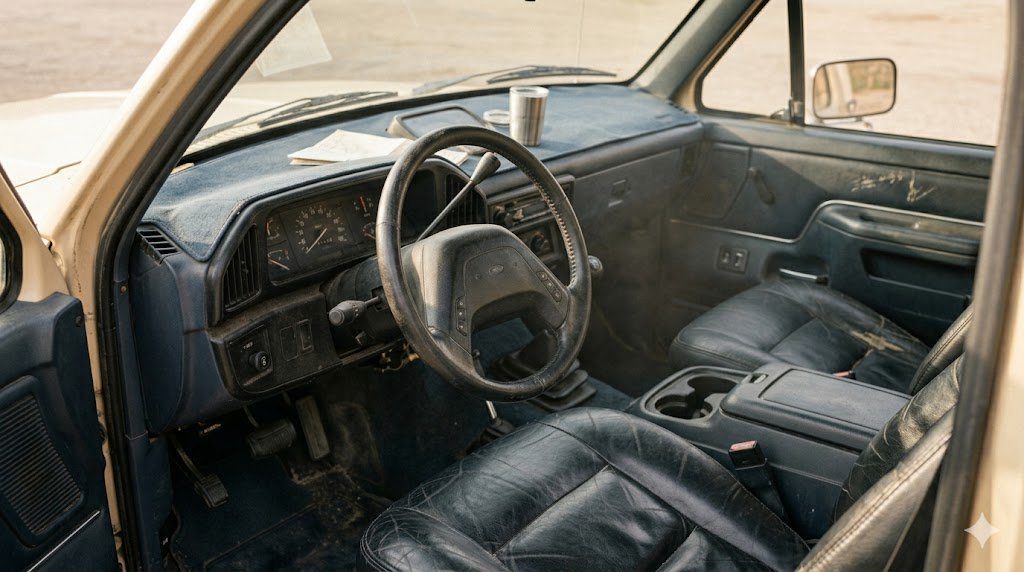
The steering wheel leather or vinyl gets that soft, almost suede-like texture in the spots where your hands naturally rest. On my last car, the driver’s seat bolster on the outer edge had a permanent shallow dent from years of sliding in and out in parking lots. The carpet developed worn paths that matched my exact foot movement from pedal to pedal.
Small vibrations that didn’t exist at 20k now live in the steering wheel at certain highway speeds. Not loud enough to call a mechanic, but noticeable if you’re paying attention. The engine note has a slightly different timbre — a bit throatier, a bit more experienced. It doesn’t rev as eagerly in the morning when it’s cold, but once warm it settles into a comfortable hum that says “I’ve done this before.”
Cabin noise increases gradually. What was once a quiet interstate cruiser now has a constant road roar that makes you turn the music up a notch or two. The wind whistles faintly around the mirrors at 70+ mph. These aren’t dramatic failures — they’re the accumulated fingerprints of distance.
You learn a vehicle one ordinary day at a time. At 100k, those ordinary days have stacked up into something substantial.
What Surprisingly Doesn’t Change
Here’s the part that always catches people off guard: many of the things you worried about at 50k are still working fine. The transmission that supposedly “needs to be babied” after 80k still shifts smoothly on most days. The suspension, while not as crisp, still handles Midwest potholes without drama. The air conditioning, though it works a little harder, still gets the cabin cool before you arrive at the next meeting.
The paint, if you’ve washed it regularly, often looks better than you expect. Modern clear coats hold up surprisingly well. The body panels might have a few more rock chips, but the overall structure feels solid in a way that new cars sometimes don’t — because it’s already proven itself.
I’ve had cars at 100k+ that started more reliably on freezing January mornings than they did when new. Something about all those heat cycles and careful warm-ups seems to loosen things in a good way.
The Emotional Shift
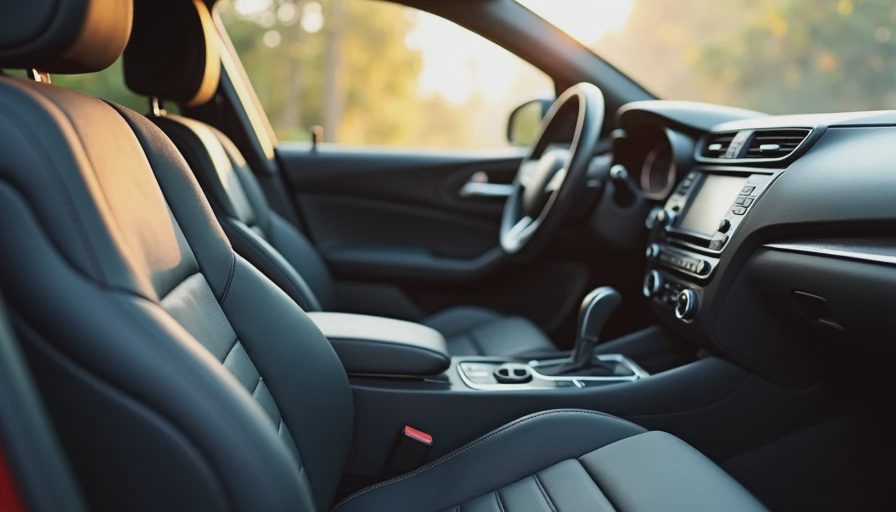
Crossing 100,000 miles changes how you think about the car. You stop babying it quite as much and start respecting it more. You develop a sixth sense for its moods. You know exactly which gas station pump it likes best. You know the precise speed where the highway hum sounds best with the windows cracked just right.
There’s comfort in that familiarity. When you’re driving home exhausted after a long sales run through Indiana, the car doesn’t feel like a machine anymore. It feels like a worn-in pair of boots or your favorite hoodie — imperfect but perfectly suited to you.
I remember hitting 102k on my previous sedan during a family trip. My wife looked over and said, “This car feels like home.” She was right. The seats had molded to our bodies. The cupholders held our exact drink sizes. Even the way the sunvisor clicked when flipped had become part of our shared routine.
Maintenance Reality Check
At this mileage, maintenance stops being preventative and becomes collaborative. You’re no longer following the factory schedule blindly — you’re negotiating with the car based on real-world behavior. You learn which noises matter and which are just the car clearing its throat. You develop favorite mechanics who understand these particular miles, not just the model.
Brakes get replaced. Fluids get flushed. Belts get changed. But if you’ve been reasonably diligent, the big expensive failures are often still further down the road than fear-mongering forums would have you believe.
The car teaches you patience. It rewards consistency. The driver who does regular oil changes and doesn’t ignore small issues usually gets rewarded with more miles of faithful service.
The View from the Driver’s Seat at 100k
Sitting behind the wheel at this mileage feels different. There’s less excitement, but more contentment. You’re not constantly evaluating the car anymore — you’re living with it. The relationship has moved past the evaluation phase into something steadier.
You notice the way afternoon light hits the slightly faded dashboard and think it looks better with some wear. You appreciate how the car handles the same exit ramp you take every week — the way it leans just so, the way the tires grip with the confidence of experience.
There’s a quiet pride in it. Not the flashy pride of owning something new and impressive, but the deeper satisfaction of having something that has proven itself through real life.
Miles as Memory
Every 100,000-mile car carries invisible history. That faint stain on the backseat from the time the kids spilled juice on a road trip. The small dent in the door from that parking lot incident you still feel guilty about. The way the trunk light flickers because of a wire that’s been jostled one too many times.
These aren’t flaws. They’re chapters.
The car at 100k has been with you through job changes, family milestones, bad weather days, good music days, and countless ordinary Tuesdays. It knows your routes. It knows your habits. It knows when you’re running late and need that extra bit of acceleration to make the light.
And in return, you know its limits, its strengths, and its personality.
That mutual knowledge — earned through miles rather than marketing — is what makes long-term ownership meaningful. The odometer doesn’t just measure distance. It measures time, care, frustration, comfort, and companionship all rolled into one set of spinning numbers.
So when yours clicks past 100,000, don’t just see it as “high mileage.” See it as a relationship that’s survived the awkward early phase and is now hitting its stride. The best miles might actually be the ones still ahead — the ones you’ll drive in a car that finally, truly knows you.
No comments yet — be the first to share a thought.