
There’s a phase every long-term car goes through where it’s not broken, but it’s also not quite itself anymore. It still starts. It still gets you there. But something in the relationship has shifted. The car is quietly showing its age, and if you’re not paying attention, you’ll miss the early signs completely.
A car tells the truth in miles, not marketing. And some of the most honest truths come as small, easy-to-ignore whispers long before the loud mechanical failures.
I’m Daniel Reeves, 44, still driving the familiar roads of Ohio, Indiana, and Kentucky. After enough seasons with the same vehicles, I’ve learned to spot the early signs of ownership fatigue. These aren’t dramatic check-engine-light moments. They’re quieter, sneakier, and far more common than most drivers admit.
The Sound Changes You Brush Off
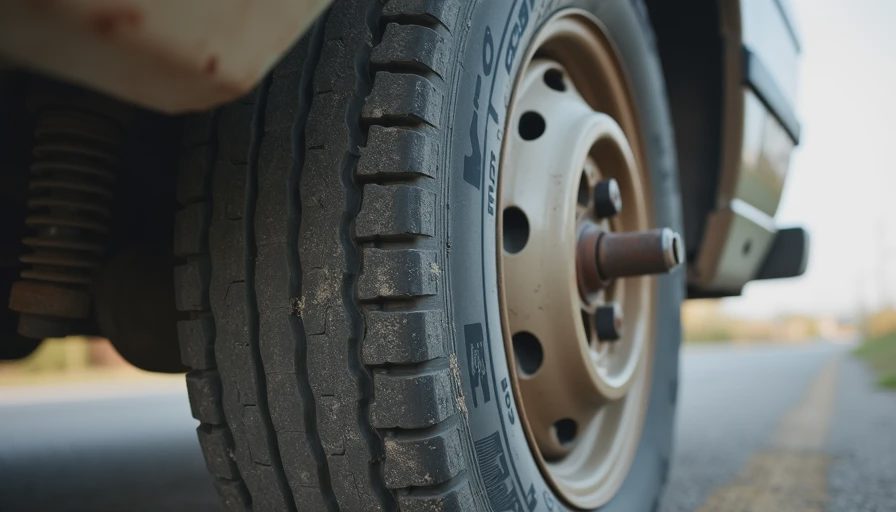
One of the first signs is a shift in the car’s voice. Not a loud new rattle, but a subtle change in tone.
The exhaust note might develop a slight rasp on cold starts. The suspension makes a soft thunk over small bumps that wasn’t there last year. The tires hum at a slightly different pitch on the highway. You notice it once or twice and then file it under “probably nothing.”
With my old Accord, the first real sign was a faint harmonic drone that appeared around 105,000 miles at exactly 58 mph. I told myself it was just tire wear. Six months later, it was joined by a few other sounds, and suddenly the car felt tired all the time.
You learn a vehicle one ordinary day at a time. These small auditory changes are the car’s way of clearing its throat.
The Feel Changes That Creep In
Ownership fatigue often shows up in how the car interacts with the road first:
Steering that feels a touch heavier or less precise
Brakes that require slightly more pedal effort
A transmission that hesitates for a split second during light acceleration
Suspension that no longer settles as quickly after bumps
These changes are gradual. You adapt to them without realizing it. One day you drive a friend’s newer car and suddenly remember how responsive yours used to feel.
My current Outback is showing some of these now. The steering is still trustworthy, but it lacks the sharpness it had at 80,000 miles. The ride has become a little busier over rough pavement. I notice it most on long highway stretches when my hands and shoulders get tired faster than they used to.
The Smell and Atmosphere Shifts
Cabin air changes are another early warning most people ignore.
That faint musty or “old car” smell when you first open the door on humid days. The heater that takes longer to warm up or pushes out air with a slightly dusty note. The A/C that works but doesn’t get as ice-cold as it once did.
These aren’t failures yet. They’re fatigue. The climate control system is working harder. Seals are drying out. Cabin filters are past their prime. The interior materials are off-gassing in their own slow, tired way.
Visual Clues on the Outside and Inside
Look closely and you’ll see:
Clear coat starting to haze or oxidize on the roof and hood
Plastic trim pieces fading unevenly
Rubber seals around doors and windows shrinking or cracking
Headlights getting cloudy
Interior plastics developing that dull, chalky look
These cosmetic signs often appear right alongside mechanical fatigue. The car is telling you it has been outside in Midwest weather for a long time.
The Performance Fatigue Signs
Slightly worse fuel economy that you blame on gas quality
Longer stopping distances that you attribute to “wet roads”
The car feeling heavier during merges
More frequent need to add a quart of oil between changes
Individually, each can be explained away. Together, they paint a picture of a car that is simply working harder than it used to.
Why We Ignore These Signs
We ignore them because admitting them means facing reality. Facing reality might mean spending money, or worse — considering that our faithful companion is getting older. It’s easier to turn up the radio and keep driving.
But ignoring early fatigue is how small issues become big repair bills. A worn bushing leads to accelerated tire wear. A tired suspension leads to harsher impacts that stress other components. A dirty cabin filter makes the A/C work harder and fail sooner.
Listening Before It Shouts
The smart move is to treat these early signs as valuable information, not annoyances. When I start noticing them, I:
Do a thorough inspection (or pay a trusted mechanic for one)
Catch up on deferred maintenance
Replace fluids, filters, and wear items proactively
Adjust my driving style slightly to be gentler on the car
Start mentally preparing for bigger decisions ahead
Doing this has saved me thousands of dollars and extended the life of multiple cars by tens of thousands of miles.
The Emotional Side of Fatigue
There’s also an emotional fatigue that mirrors the car’s. You start feeling less excited to drive it. Small chores feel like more effort. The relationship loses some of its easy joy and becomes more like dutiful companionship.
This is normal. It doesn’t mean you have to sell the car immediately. But it does mean it’s time to pay closer attention and show the car a little extra care.
Some of my most rewarding ownership experiences came right after I acknowledged the fatigue and responded with targeted maintenance. The car often rewards you with a second wind.
The Honest Perspective
Every car that lives long enough will show signs of fatigue. That’s not failure — that’s the natural result of real use in real conditions. The drivers who notice these early signs and respond thoughtfully are the ones who get the most miles and the most satisfaction from their vehicles.
Don’t wait for the car to break before you listen. Start paying attention to the small changes in sound, feel, smell, and behavior. They’re telling you the car’s current truth.
Because the earlier you hear the whisper, the less likely you are to face the shout later.
A car tells the truth in miles, not marketing. And the early signs of fatigue are some of the most truthful miles of all.



No comments yet — be the first to share a thought.