
Living in Cincinnati means accepting that every car you own will eventually fight a war against salt, slush, and the slow creep of Midwest neglect. Summers are kind. Winters are honest auditors that expose every shortcut you took in maintenance and every design weakness the manufacturer tried to hide.
A car tells the truth in miles, not marketing. In the Midwest, winter turns that truth into a loud, messy, rust-colored declaration.
I’m Daniel Reeves, 44, and I’ve spent more than two decades driving these roads for work. I’ve watched cars go from shiny and promising to battle-worn survivors — or expensive disappointments — largely because of how they handled our particular mix of brutal winters, humid summers, and the all-too-common human tendency to let things slide when life gets busy.
The Salt Invasion
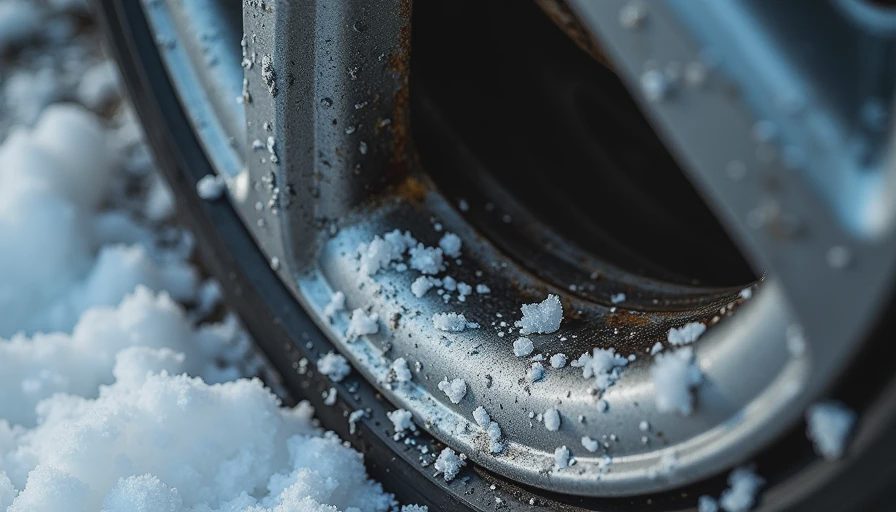
Road salt is the Midwest’s silent destroyer. It gets everywhere. It eats wheel wells from the inside out. It creeps into seams, door bottoms, and underbody panels. One year I noticed my previous car’s rocker panels starting to bubble paint right around 78,000 miles. By spring, it looked like orange lace.
I’ve learned to inspect for salt damage every spring like clockwork. Lift the car, shine a light underneath, and you’ll see where the battle lines are drawn. Cars with good undercoating and regular washes hold up better. Cars that get neglected turn into rolling chemistry experiments.
The worst part? Salt damage is sneaky. It often looks fine from the outside until one day a door starts sounding different or a fender liner falls apart in your hands.
Slush and the Interior Siege
Slush is salt’s messy partner. You track it in on your boots, it melts into dirty puddles on the floor mats, and then it sits there soaking into carpet and insulation. If you don’t stay on top of it, you end up with permanent stains and that unmistakable musty smell that no air freshener can defeat.
I once went two weeks without properly cleaning the floors during a particularly messy February. By the time I finally detailed the car, the carpet had developed dark water lines and a faint sour odor that lingered for months. Lesson learned: in the Midwest, neglecting the interior after winter drives is one of the fastest ways to make a car feel old before its time.
How Different Cars Age Here
Not all cars handle Midwest conditions the same. Some seem built for it. Others suffer quietly.
I’ve owned vehicles with plastic wheel arch liners that cracked and fell off after just a few winters. Others had robust underbody protection that kept rust at bay much longer. Some interiors faded and became brittle from the extreme temperature swings — freezing nights followed by hot days with the sun beating through the windshield. Others aged more gracefully with better materials.
The cars that age best in this region tend to have:
Strong drainage channels that actually work
Quality seals that don’t shrink and crack
Paint and clear coat that can take a beating
Interior surfaces that don’t turn into dust collectors or fade dramatically
You learn a vehicle one ordinary day at a time. In the Midwest, many of those lessons come with wet feet and a salty aftertaste.
The Neglect Factor
Weather is only half the story. How we treat our cars during and after the harsh seasons matters just as much.
The driver who washes their car regularly in winter (even when it’s cold) usually ends up with a much nicer vehicle at 100k miles than the one who says “I’ll clean it in spring.” The person who takes the time to vacuum out the slush and dry the mats prevents mold and odors. The one who touches up rock chips before rust sets in keeps the body looking decent.
I’ve been guilty of neglect myself. There was a winter where work got crazy and I let salt buildup go unchecked for weeks. The car didn’t fail dramatically, but it aged faster than it needed to. That visible acceleration of wear was a quiet reminder of responsibility.
Summer Recovery and Hidden Damage
When spring finally arrives and you give the car a proper bath, that’s when you see the real score. Some cars emerge looking surprisingly resilient. Others reveal the cost of winter — faded trim, etched glass from wiper blades dragged across dirty windshields, cloudy headlights, and that persistent road grime that no single wash fully removes.
The temperature swings also take their toll on plastics and rubber. Dashboards crack in the sun after years of thermal stress. Door seals harden and lose flexibility. Suspension components that survived the cold start to show wear when the heat returns.
The Visual Language of Midwest Cars
There’s a certain look to a car that’s lived here for years. It’s not necessarily ugly, but it’s honest. A light dusting of rock chips across the front. Slightly dulled paint on the hood. Wheel wells that tell stories even if you’ve kept them mostly clean. Interior plastics with that slightly hazy look from years of sun and cold.
Some people see that as “the car looking old.” I’ve come to see it as character — evidence of real miles lived in real conditions. A Midwest car that still looks decent after eight or nine years has earned quiet respect.
Learning to Work With the Seasons
After enough years, you start adapting your ownership habits to the climate:
Winter washes when possible, even if inconvenient
Immediate interior cleanup after slushy days
Regular undercarriage rinses at do-it-yourself bays
Touching up chips before rust takes hold
Using quality tire treatments and interior protectants to fight the elements
The cars that age gracefully here aren’t necessarily the most expensive ones. They’re often the ones whose owners worked with the conditions instead of against them.
The Deeper Lesson
Salt, slush, and occasional neglect don’t just change how a car looks — they change how it feels to own it. A vehicle that survives Midwest winters with dignity earns a different kind of appreciation. It’s no longer just a consumer product. It’s a survivor that has been through the same seasonal battles you have.
There’s something grounding about driving a car that wears its history visibly. It reminds you that everything ages, including us. The question isn’t whether wear will happen. It’s how we respond to it — with attention and care, or with indifference.
If you drive in the Midwest, your car will age differently than one living in a dry desert or mild coastal climate. Embrace that reality. Work with it. And maybe, just maybe, you’ll end up with a machine that doesn’t just last — but tells a honest, weathered, deeply lived story right alongside your own.


No comments yet — be the first to share a thought.