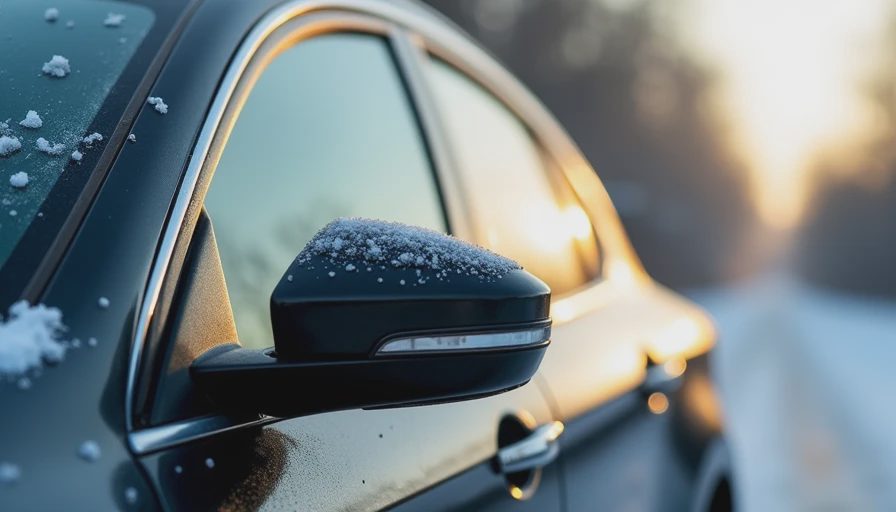
I’ve always said that if you want to truly know your car, wait until January in Ohio. Summer drives with the windows down and the sun warming the dash make almost any vehicle feel decent. But when the temperature drops below 20°F, the wind howls across the river from Kentucky, and that first real snowstorm hits — that’s when the mask comes off.
A car tells the truth in miles, not marketing. Winter just turns up the volume on that truth until you can’t ignore it anymore.
As a 44-year-old sales rep who’s spent two decades driving through Cincinnati winters, I’ve learned that the cold season doesn’t just test your car — it reveals its personality in ways the gentle summer months never do. The same vehicle that felt perfectly adequate cruising down I-75 in July can suddenly feel like a reluctant partner when the roads turn mean.
The Cold Start Reality
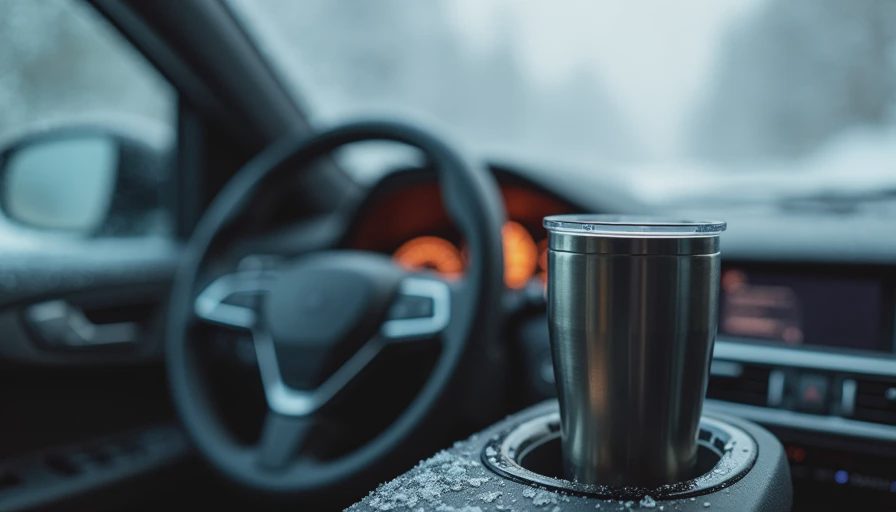
There’s nothing quite like stepping into a freezing car at 6 a.m. in January. The seat feels like sitting on a block of ice. The steering wheel is so cold it almost hurts your hands. And then you turn the key (or push the button) and wait to see what kind of mood your car is in.
Some cars wake up grumpy. The engine turns over slowly, almost reluctantly, with that labored churning sound that makes you wonder if today is the day it finally quits. Others fire up with quiet confidence even when the thermometer reads single digits. Over the years, I’ve learned to judge a car’s winter character by how it behaves during those first painful minutes of the day.
My previous sedan developed a habit around 85,000 miles: on really cold mornings, the heater would blow icy air for a solid eight minutes before any warmth arrived. I’d be driving to my first appointment with my coat still on and my breath visible inside the car. Summer never exposed that weakness. Winter made it impossible to ignore.
Road Salt and the Slow Corrosion
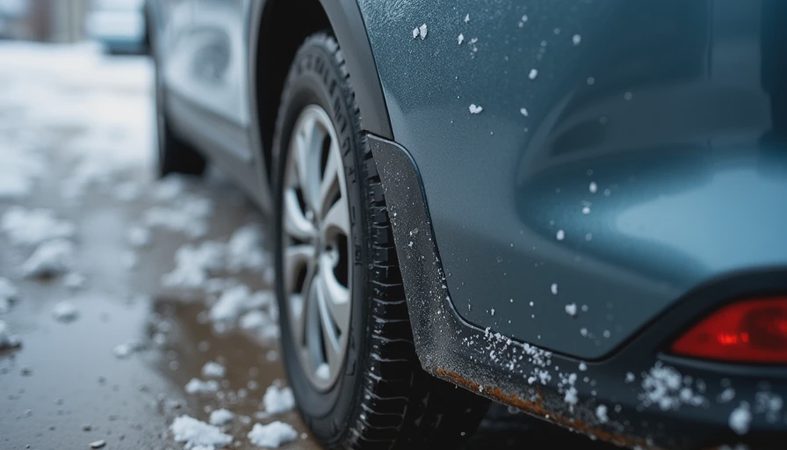
Here in the Midwest, winter doesn’t just bring cold — it brings chemical warfare. Road salt eats away at everything it touches. I’ve watched wheel wells slowly develop that rusty lace pattern no matter how diligently I wash the car. Undercarriage components that looked pristine in April start showing orange-brown signs of battle by March.
But it’s not just visible rust. Salt gets into door seams, under trim pieces, and into places you didn’t even know existed. One year I noticed my driver’s side door started sounding slightly different when I closed it — a heavier, more metallic thunk. Turns out salt had found its way into the door’s drainage channels and was starting its patient work.
You learn a vehicle one ordinary day at a time. In winter, those lessons come with chattering teeth and frozen windshield wipers.
Winter Driving Feel Changes
The way a car drives in winter is completely different. Snow and ice change the conversation between your tires and the road. A vehicle that felt planted and confident in dry conditions can suddenly feel nervous and loose when there’s even a dusting of snow.
I remember one particularly bad ice storm a few years back. The car I was driving had decent all-season tires, but they weren’t great in deep slush. Every acceleration felt like a negotiation. Every braking event required planning three times further ahead than usual. By the time I made it home that evening, my shoulders were tight from the constant tension of keeping the car between the lines.
Other cars I’ve owned surprised me with their winter composure. One older model with good weight distribution and slightly wider tires felt almost reassuring in moderate snow. It wasn’t exciting, but it was calm — exactly what you want when visibility drops and the roads turn white.
Cabin Life in the Cold
Winter turns the car’s interior into a much more intimate space. You’re sealed in against the elements for longer periods. The windows fog more easily. The air feels drier. Every smell in the cabin becomes more noticeable — that faint musty scent from wet floor mats, the aroma of the coffee you spilled last week that’s now baked into the carpet.
The seats matter more in winter too. A seat that felt adequately comfortable in summer can become punishing when you’re wearing bulky clothes and sitting on frozen foam. I’ve learned to appreciate cars with seats that warm up quickly and provide good lower back support when you’re dressed in layers.
The defroster performance, the heated mirrors, the effectiveness of the rear window defogger — these become daily necessities rather than nice-to-have features. When they work well, you barely notice them. When they don’t, they dominate your entire morning.
The Slow Visible Aging
Winter accelerates the visual aging of a car in ways summer never does. Paint takes on a duller finish after months of road salt exposure. Plastic trim fades faster from the temperature swings between freezing nights and heated days. Rubber seals around doors and windows start showing tiny cracks earlier.
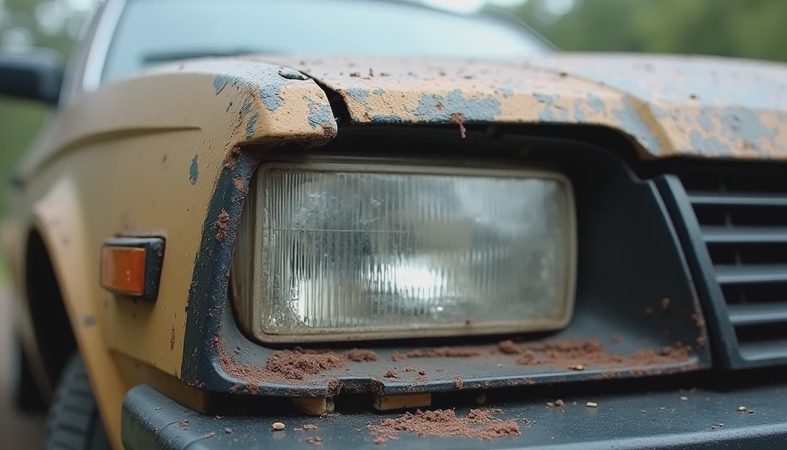
I’ve watched headlight lenses yellow and haze over faster during winter driving. Wiper blades deteriorate more quickly from scraping across icy windshields. Even the interior seems to show wear more obviously when you’re tracking in snow, salt, and mud on a regular basis.
But here’s the interesting part: some cars wear their winter scars with a certain dignity. A little road salt on the rocker panels and a few extra rock chips can give a daily driver a purposeful, lived-in look that feels honest rather than neglected.
What Summer Hides, Winter Exposes
Summer is generous. It lets cars coast on good first impressions. The warm temperatures make engines run smoothly, suspensions feel compliant, and interiors stay comfortable. Winter strips away those courtesies and shows you what you’re really working with.
A car that struggles to warm up properly, has poor traction in slush, leaks cold air around the doors, or develops mysterious electrical gremlins when temperatures drop — those issues might exist in summer, but they’re much easier to overlook when the driving is pleasant.
I’ve owned cars that I thought were perfectly fine until their first serious winter. Only then did I discover the weak heater core, the inadequate sound deadening that made wind noise unbearable, or the suspension that became too bouncy on salted, potholed roads.
Finding Peace in Winter Driving
Despite all the challenges, there’s something satisfying about driving through a Midwest winter in a car you’ve come to understand. When you know exactly how it will behave on that icy on-ramp, when you’ve learned the precise defrost setting that keeps the windshield clear without overheating the cabin, when the car has proven it will start even after sitting in sub-zero temperatures overnight — that creates a different kind of bond.
Winter driving forces a slower, more attentive relationship with your machine. You check the tire pressure more carefully. You listen more closely to the sounds the car makes. You plan your routes with more respect for the weather.
And when spring finally arrives and you wash off months of accumulated grime, there’s a quiet pride in seeing your car emerge from another Ohio winter still willing to carry you through another year of ordinary days.
The cold doesn’t lie. It reveals the gaps in performance, the weaknesses in build quality, and the places where proper maintenance pays off. But it also shows you which cars have that deeper resilience — the ones that don’t just survive winter, but handle it with a kind of stoic competence that earns your respect.
So if you’re trying to decide whether your current car is truly a good long-term companion, don’t wait for the sunny days. Wait for the first real cold snap. That’s when you’ll hear its honest voice most clearly.
No comments yet — be the first to share a thought.