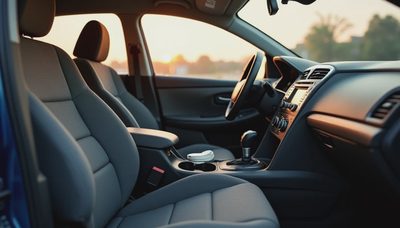
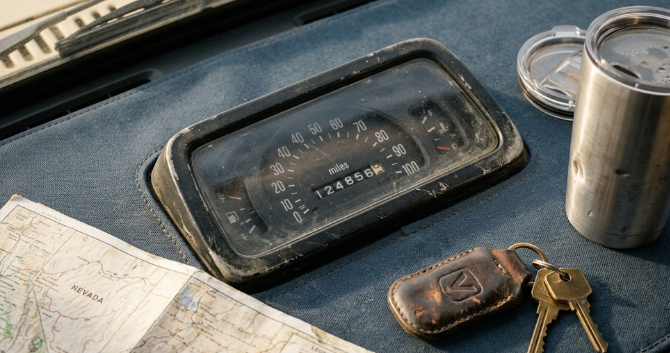

The first time you slide into a new car, it feels like a date with possibility. That fresh-leather smell, the way the steering wheel still has that factory tightness, the dashboard glowing like it’s been waiting just for you. You think you’ve found “the one.” Fast-forward a few years and a few dozen thousand miles, and that same car starts talking back — not with marketing slogans, but with honest creaks, quirks, and quiet comforts that no advertisement could ever capture.
A car tells the truth in miles, not marketing. That’s become my unofficial motto after spending most of my adult life behind the wheel as a regional sales rep covering Ohio, Indiana, and Kentucky. I’m not here to sell you anything. I’m just a 44-year-old guy from Cincinnati who’s learned more about cars from the 37th gas stop than from the first test drive.
The Honeymoon Phase Is Beautifully Dishonest
Remember when you drove your car home from the dealership? Everything felt perfect. The seats hugged you exactly right. The engine note was sporty but refined. Even the cupholders seemed thoughtfully placed. I bought my last sedan thinking it was going to be different from the others — more reliable, more comfortable, more me.
Three months later, the romance was still strong. Six months in, I started noticing the tiny things. The driver’s seat bolster on the left side was already softening from all those hours of highway sitting. The center console armrest creaked faintly on cold mornings. Nothing broken, just… settling in.
This is the part car reviews rarely linger on because they’re written in the honeymoon window. But real ownership begins when the new-car smell fades and the actual personality emerges. That’s when you discover whether this machine is going to be a patient companion or a high-maintenance acquaintance.
My 120,000-Mile Mirror
I still remember pulling into a rest stop somewhere near Columbus with 118,000 miles on the odometer. The car had just carried me through another brutal Midwest winter and was now handling sticky summer asphalt. I sat there eating a lukewarm sandwich and realized something: I no longer thought about the car the way I used to. It had become background — but the most important kind of background.
The radio buttons had developed a slight sticky resistance from spilled coffee and dusty hands. The floor mats were permanently shaped to my feet. The passenger seat showed faint wear patterns from my wife’s purse always landing in the same spot. These weren’t defects. They were evidence of life lived.
That’s the beautiful paradox of long-term ownership. The car starts looking a little tired exactly as it becomes perfectly tailored to you. The driver’s door pocket stretches exactly where I reach for my phone. The blind spot in the mirror is something I instinctively compensate for without thinking. We’ve adapted to each other like an old married couple who finishes each other’s sentences.
When the Car Starts Revealing Your Own Habits
Here’s something funny I’ve noticed: your car becomes a mirror for your own messiness and routines. I once found three different pairs of sunglasses in the center console that I’d sworn I’d lost forever. The glovebox had evolved into a geological layer of receipts, napkins, and forgotten mints. The trunk told stories of soccer practices, grocery runs, and that one ambitious IKEA trip that taught me about cargo space the hard way.
But it’s more than just junk accumulation. The car reveals your driving personality too. I used to think I was a pretty smooth operator until I noticed how the brake pedal wear was uneven — a little heavier on the right side from all those hurried merges onto I-75. The steering wheel leather showed more wear at the ten-and-two position than anywhere else. Evidence of tension I didn’t realize I was carrying.
You learn a vehicle one ordinary day at a time. Not during dramatic road trips or canyon carving, but during the 40-minute commute when it’s raining sideways and you’re late for a meeting. That’s when you discover if the wipers actually clear the windshield properly or just smear things around. That’s when you find out whether the heater will warm your feet before you arrive at your destination or if you’ll be driving in socks again.
The Emotional Geography of Ownership
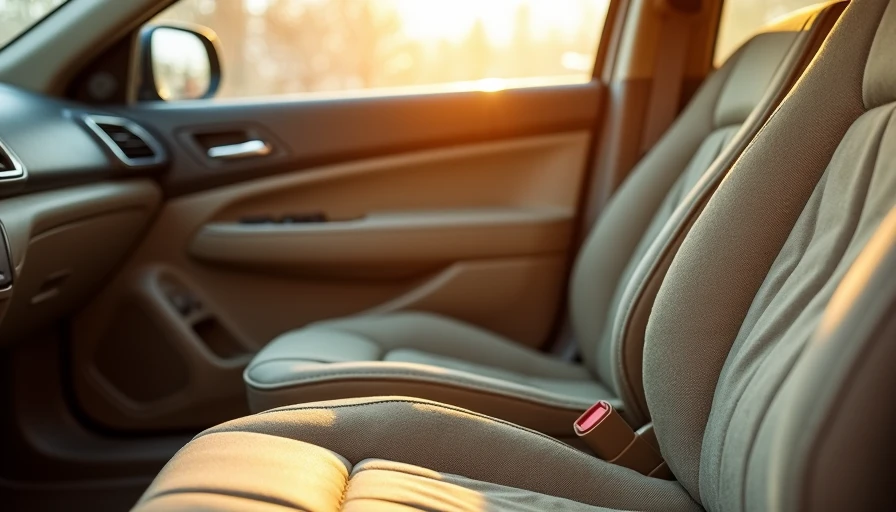
There’s a strange intimacy that develops with a long-term car. I’ve had good cries in mine after tough days. Celebrated small wins with fist pumps at stoplights. Sung terribly to songs that somehow sound better through its slightly compromised speakers. Taken naps in parking lots during long work weeks when I just needed twenty minutes of quiet before the next appointment.
My car has been there for family emergencies, late-night fast food runs when nothing else was open, and those quiet drives where you don’t need to say anything because the road and the machine are enough company.
I remember selling my previous car after eight years together. The buyer was excited about the low price and solid maintenance records. I was excited for him, but I also felt this weird melancholy watching it drive away. That car knew my routes. It knew the exact speed where the vibration would start on the highway. It knew how I liked the seat positioned. Some part of my daily life for nearly a decade was now someone else’s.
What Marketing Will Never Understand
Car companies love talking about initial quality surveys and first-year reliability. That stuff matters, sure. But it doesn’t tell you what the car will feel like when your kid spills chocolate milk in the back seat for the third time this month. It doesn’t prepare you for the way plastic trim starts looking faded after five years of sun exposure through the windshield. It certainly doesn’t mention how comforting it becomes to drive something that doesn’t feel new anymore — something that’s been broken in by your actual life.
The truth that emerges after serious mileage is usually quieter and more nuanced than advertising wants to admit. Sometimes the car that seemed boring on paper becomes the one you trust most because it never tried to be anything other than reliable transportation. Sometimes the flashy one loses its appeal once the novelty wears off and the repair bills start arriving.
Finding Peace in the Ordinary
I’ve driven plenty of different vehicles over the years, and the ones that lasted — emotionally and mechanically — weren’t always the ones with the highest specs or coolest features. They were the ones that handled the mundane beautifully. The ones that started reliably on January mornings in Cincinnati. The ones whose seats didn’t punish my back after six hours of driving. The ones that let me listen to podcasts without the road noise drowning everything out.
There’s real value in that kind of steady companionship. In a world that constantly pushes the new and exciting, there’s something quietly rebellious about sticking with a car long enough to really know it. Long enough for it to know you.
The miles don’t lie. They accumulate evidence. They show where the weaknesses are, but they also reveal unexpected strengths. They turn a machine into something closer to a partner in the daily grind of life. Not perfect, but perfectly familiar.
And in the end, that familiarity might be worth more than any shiny new feature or impressive horsepower number. Because when you’re driving home tired after another long week, it’s not the marketing claims that comfort you. It’s the car that’s been there through all the ordinary days — the one that’s learned your rhythms as you’ve learned its quirks.
That’s the real story of car ownership. Not the day you buy it, but all the days after.